The Kawaii Room Accessories That Make a Space Feel Like a Hug
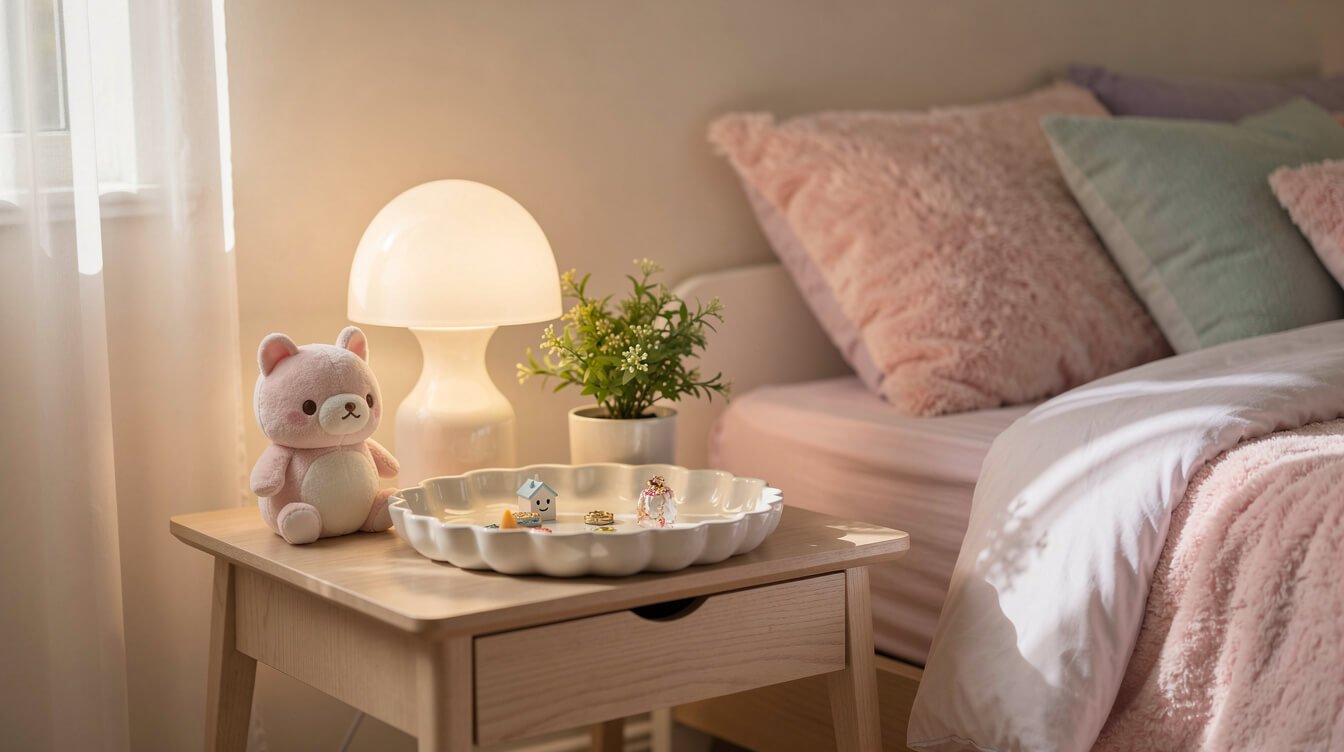
Kawaii room accessories are the easiest way to make a space feel warmer without redoing the whole room. A soft plush on the windowsill, a round little tray by the door, a lamp that glows the color of a good mood. You do not need a full aesthetic overhaul to get the feeling right, and you do not need a spare weekend or a real budget either. You need a few pieces, chosen with care, that make the room feel like it is on your side.
Most guides to this look jump straight to a full room makeover: new bedding, a new color scheme, new furniture, a new everything. That is a lot to ask of a Tuesday, and it is also not how most people actually build a room they love. This one is smaller on purpose. It is about the handful of accessories that do the real emotional work, how to pick them so they read as cute instead of cluttered, and how to build the look up slowly, piece by piece, in a space that might not even be yours to paint.
Here is what that actually looks like in practice: a five-piece starter set that will not overwhelm a room, the texture rules that keep a full shelf from reading as cluttered, a few renter-friendly habits if the walls are not yours to touch, and a simple way to rotate pieces with the seasons so the room never goes stale.
What kawaii room accessories actually are, and how they differ from full decor
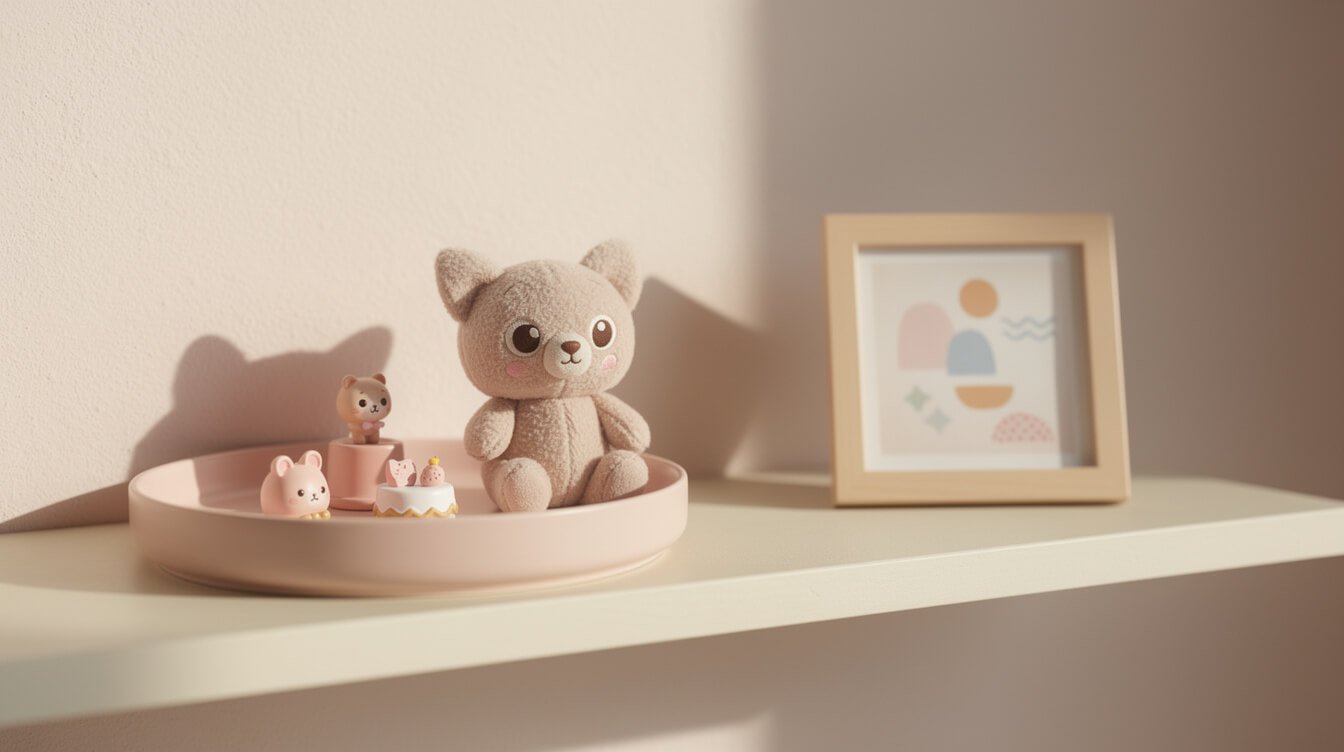
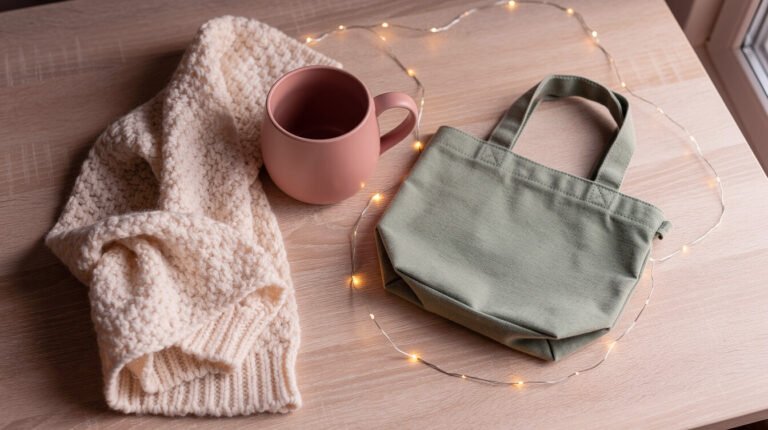
Decor is structural. It is the bedding, the rug, the paint, the big pieces that set the whole tone of a room before anything else gets added, and it is usually chosen once and lived with for years. Accessories are the smaller, softer layer on top of that: the objects you actually touch and notice day to day. A round plush animal. A ceramic tray shaped like a cloud. A string of little lights with pastel shades. They are not what holds the room together. They are what makes it feel like yours, and they are the part most people actually mean when they picture a kawaii space in their head.
This distinction matters because it changes how you shop and how much you spend. A full kawaii bedroom overhaul, the kind covered in most decorating guides, means new bedding, new wall decor, sometimes new furniture, and a real commitment of both time and money. Kawaii room accessories are the opposite: a slow collection you build over months, a piece at a time, without ever needing to touch the walls or the budget for a bed frame. If you already have a room you love and just want it to feel a little softer, this is the lower-effort, lower-cost way in. If you want the fuller picture, from color palette to wall treatments, that is its own project, and one worth reading about separately once you know the accessory layer works for you.
The other difference is commitment. Decor is hard to change once it is in place. Nobody repaints a wall on a whim or swaps a duvet cover every month. Accessories are not like that. You can swap a tray, retire a plush that has run its course, add a lamp you saw and loved, and the room evolves without ever needing a repaint or a new comforter. That flexibility is most of the appeal, and it is also why accessories tend to be where people actually experiment with a new aesthetic before deciding whether to commit further.
Starting small: a five-piece starter set
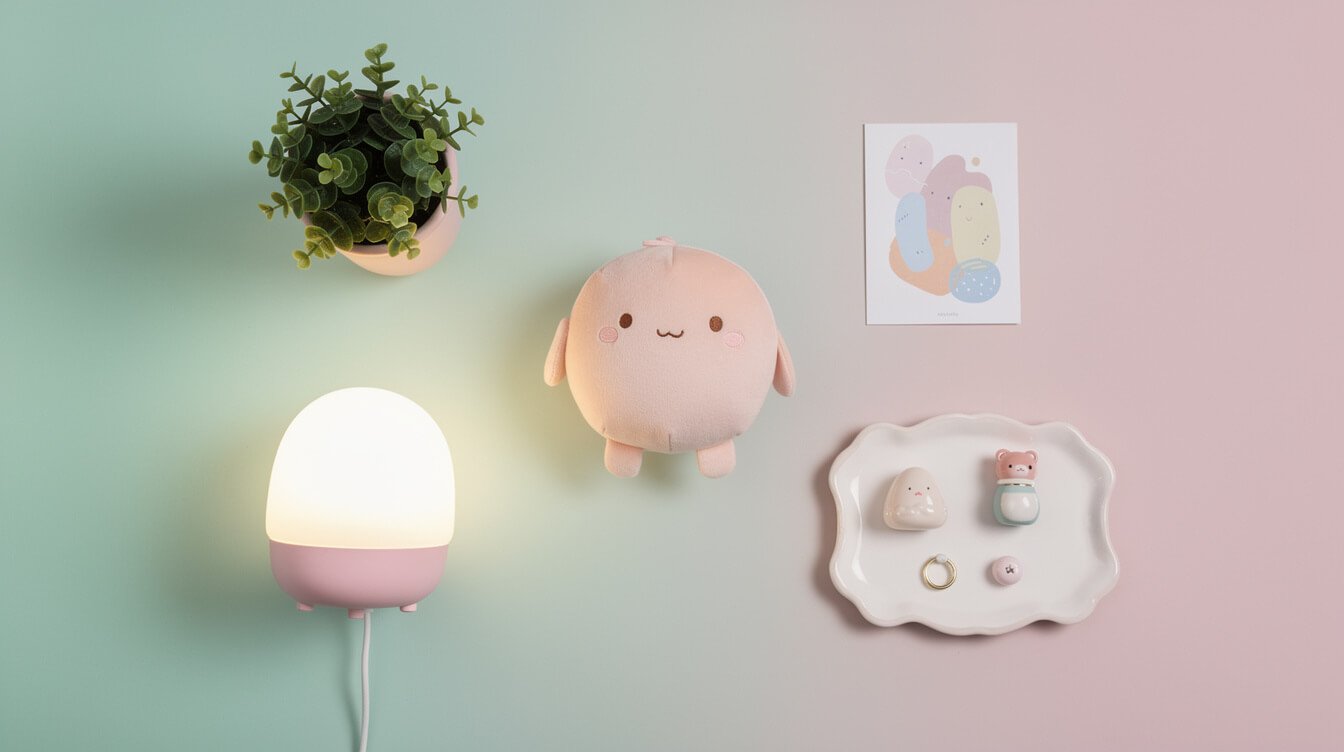
If you are starting from nothing, resist the urge to buy fifteen things at once. It is tempting, especially once you start scrolling and everything looks charming in its own product photo. But a room with fifteen new cute objects added in one weekend tends to read as cluttered rather than cozy, no matter how individually lovely each piece is. Five is enough to establish the feeling, and it is a small enough number that you can actually notice how each piece earns its place. Here is a starter set that tends to work in almost any room, rented or owned:
- One soft object. A plush animal, a round pillow, something with texture you actually want to touch. This is usually the piece that makes a room feel inhabited rather than staged, and it tends to be the one people reach for without thinking, which is exactly the point.
- One light source. A small lamp, a string of warm-toned lights, something that changes how the room feels after dark. Kawaii spaces tend to favor warm, soft light over anything cool or clinical, since overhead light alone rarely does a room any favors once the sun goes down.
- One tray or catch-all. Rings, hair clips, a stray hair tie: every room needs somewhere for the small stuff to land, and a round or scalloped tray does that job while adding shape and a little personality to a flat surface that would otherwise just collect clutter.
- One thing that holds a plant, real or faux. A round planter or a small vase. Green does a lot of quiet work against pastel tones, and it is one of the few accessory categories that genuinely changes how a room smells and feels, not just how it looks.
- One small piece of art or a print. Nothing structural, just a small framed piece or a postcard propped on a shelf. It gives the eye somewhere to land, and it is often the cheapest and easiest piece to swap out later once your taste sharpens.
Live with those five for a couple of weeks before adding more. You will notice which one you actually use and love, and which one just sits there looking pretty without earning its shelf space. That tells you where to lean when you do expand the collection, and it saves you from buying a second version of something you did not need the first time.
Layering textures without clutter
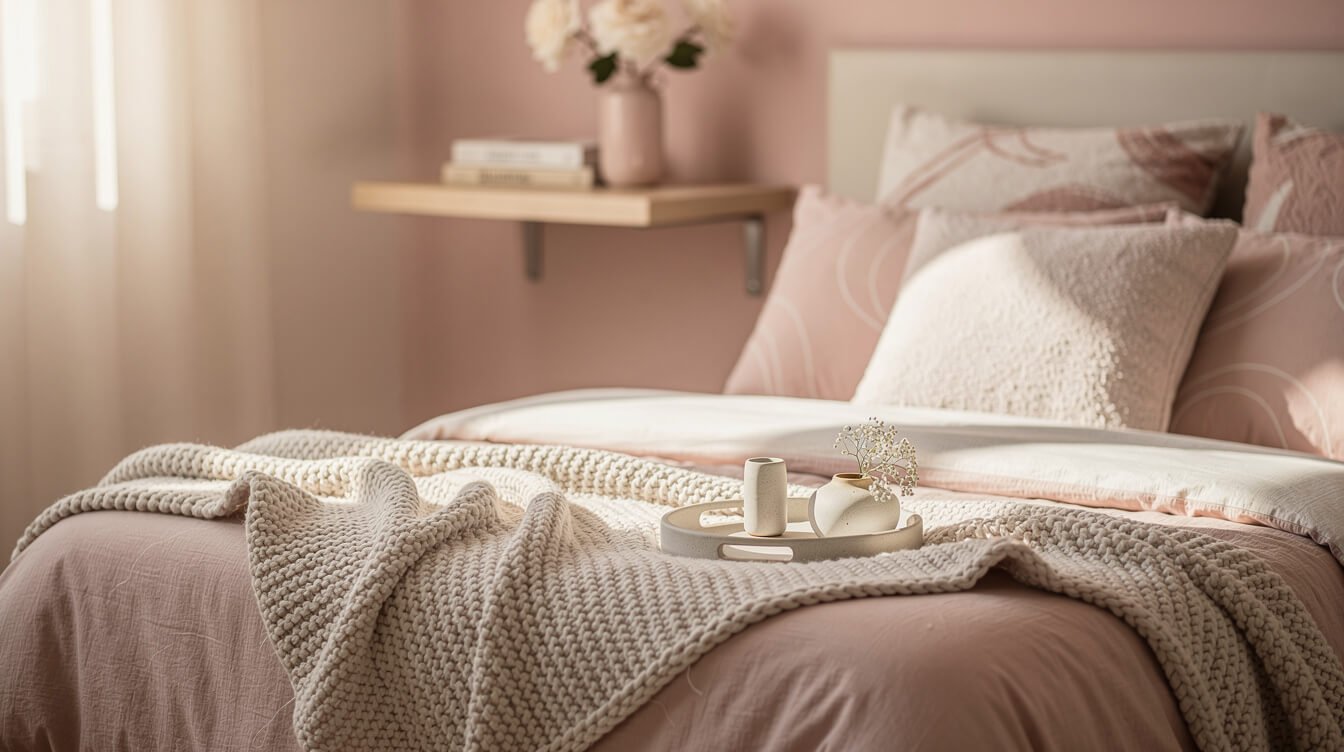
The line between cozy and cluttered usually comes down to texture, not quantity. A shelf with five accessories in five different materials, ceramic, plush, glass, woven, felt, tends to read as busy no matter how small the objects are or how much you love each one. A shelf with five accessories that share two or three textures reads as intentional, even if it is objectively just as full and took just as long to put together.
A simple rule: pick a texture family and mostly stay in it. If your soft object is a plush with a knit-look surface, let your tray be matte ceramic rather than glossy glass, and let your light source have a fabric or paper shade rather than bare metal. The eye reads consistency as calm, in the same way a matching set of towels reads as tidier than a mismatched pile even when both hold the exact same number of towels. This is also where a lot of the pastel aesthetic earns its keep: sticking to a narrow, muted color range does a lot of the same visual smoothing that texture matching does, and the two work best together rather than separately, since a wide color range and a wide texture range compound each other into visual noise fast.
Height and grouping matter too. Cluster accessories in odd numbers, threes work especially well, at varying heights rather than lining them up in a row like a display case. A tall lamp, a mid-height plant, a low tray reads as a small, considered scene, the kind you might see staged in a photo. The same three objects spaced evenly along a shelf edge reads as a collection put on display rather than a room being lived in. Same pieces, same cost, entirely different feeling, purely from how you arrange them.
One more trick worth knowing: leave a little negative space. A shelf that is completely full, even with perfectly matched textures, starts to feel busy again. Professional stylists usually leave at least a quarter of any surface empty, and that small gap is often what separates a shelf that feels curated from one that just feels full.
Renter-friendly kawaii touches
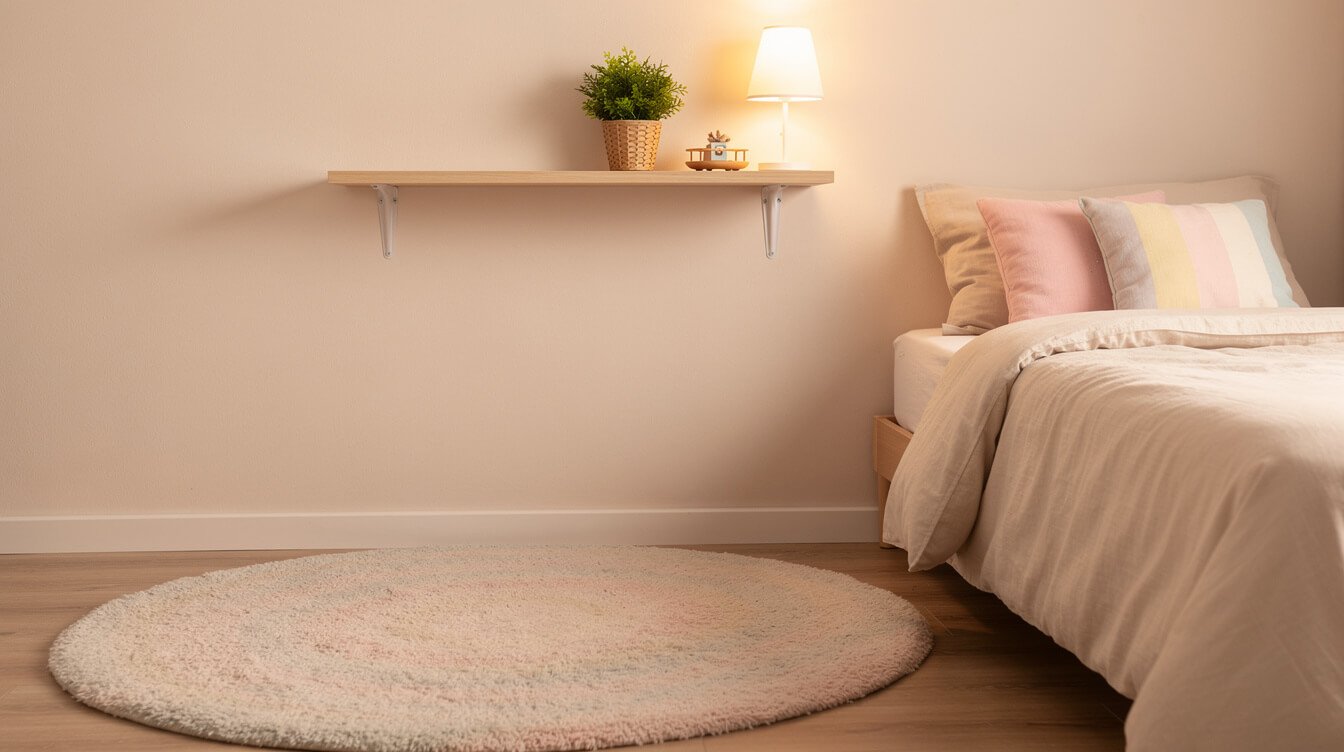
If you cannot paint, cannot drill, and need your deposit back at the end of the lease, accessories are already doing most of the work for you, since none of the starter-set pieces above touch a wall in the first place. A few extra habits make a rented room feel just as soft without risking anything you cannot afford to lose.
Command strips and tension rods do almost everything a nail used to. A small floating shelf on strips can hold a plant and a tray without a single hole in the drywall. A tension rod in a closet or above a window can carry a light curtain or a hanging plant with no tools at all. Removable, textured wallpaper works well for a single accent wall or even just the inside of a closet door, and it comes off clean when you move, which is more than most landlords will let you say about a coat of paint.
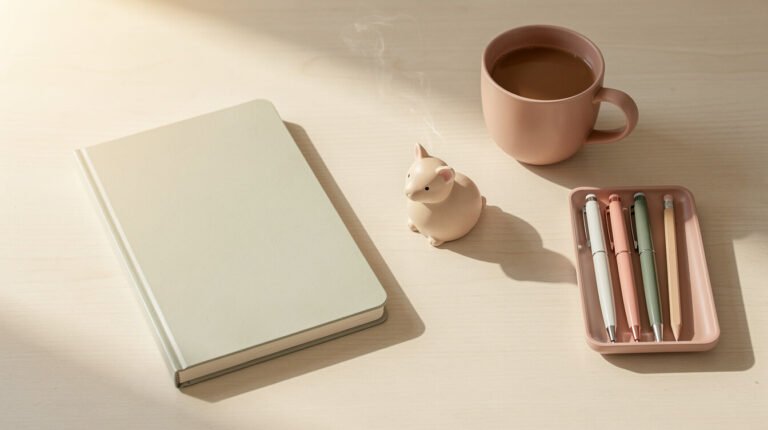
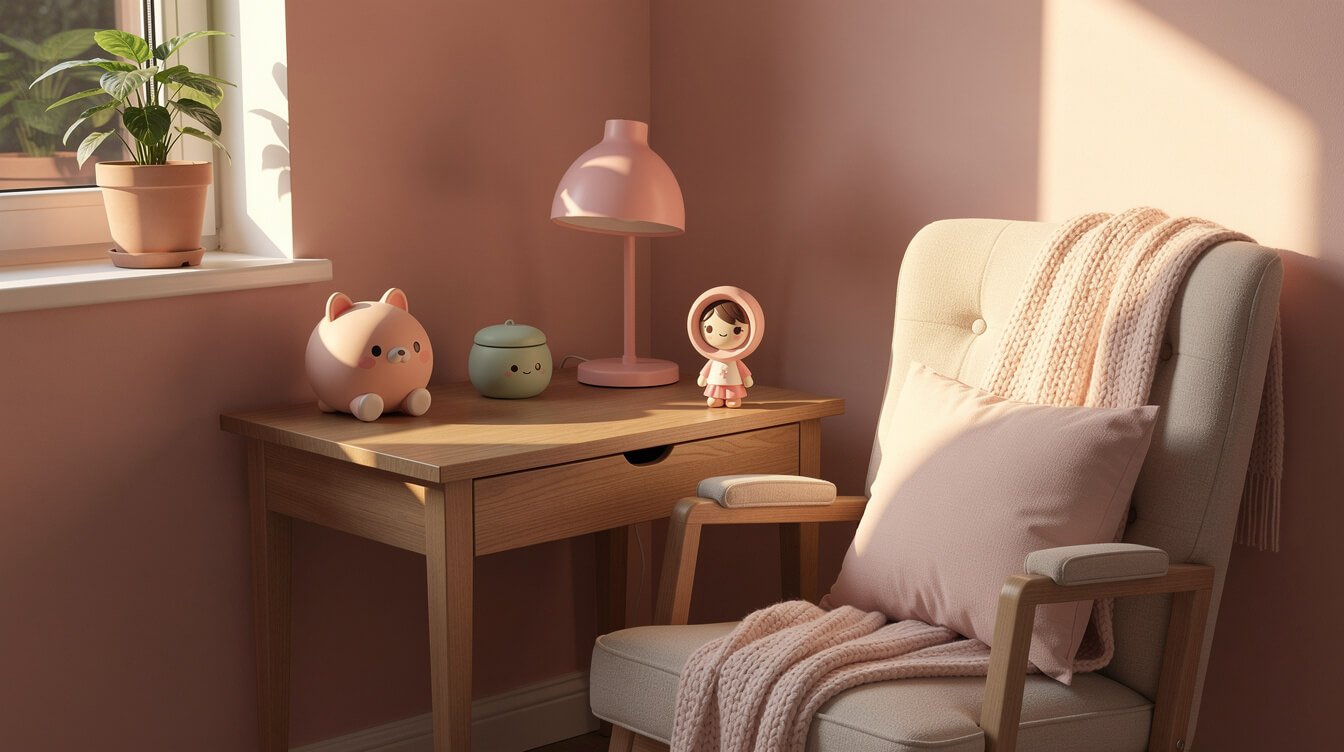
Your desk is worth a special mention here, since it is one of the few surfaces in a rented room that is entirely yours to style without touching the structure at all. A soft mat under your keyboard, a round pen cup, a small tray for the odds and ends that collect near a laptop: these do the same double duty as the shelf accessories above, useful and cute at once, and they live on a surface no landlord has ever once objected to. If your desk is where you actually want to start, since it is often the corner of a rented room people spend the most waking hours in, we have gone deep on that specific surface in our guide to kawaii desk accessories, including which pieces earn a permanent spot and which ones to skip entirely.
Rugs are the other renter favorite. A soft round rug changes the feel of a whole room underfoot, adds a shape that breaks up square furniture lines, and rolls up and leaves with you when the lease ends, taking most of the room’s personality along with it in one easy trip.
Seasonal swaps to keep it feeling fresh
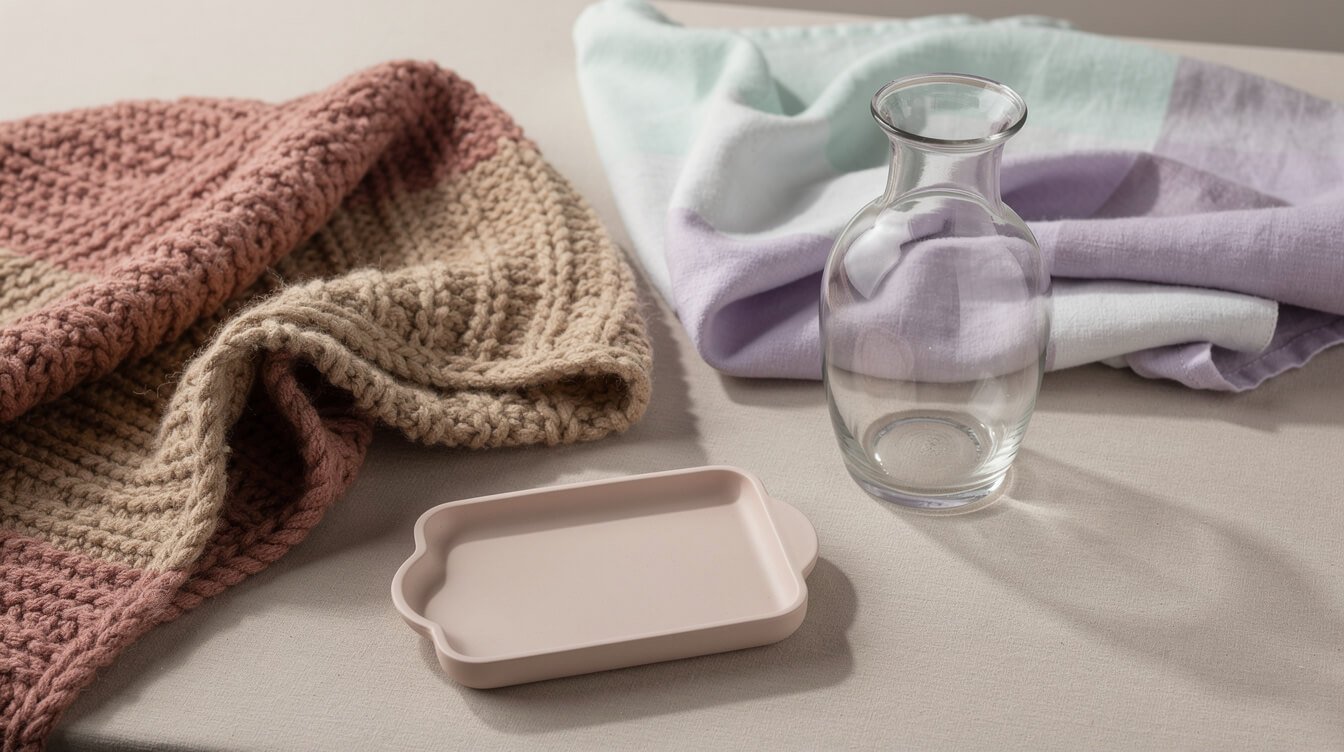
A well-chosen set of accessories does not need to be replaced each season, but a few small swaps keep the room from going stale over a year of looking at the same five objects. This is also the cheapest way to keep the space feeling considered, since you are rotating pieces you already own rather than buying new ones every few months just to feel something.
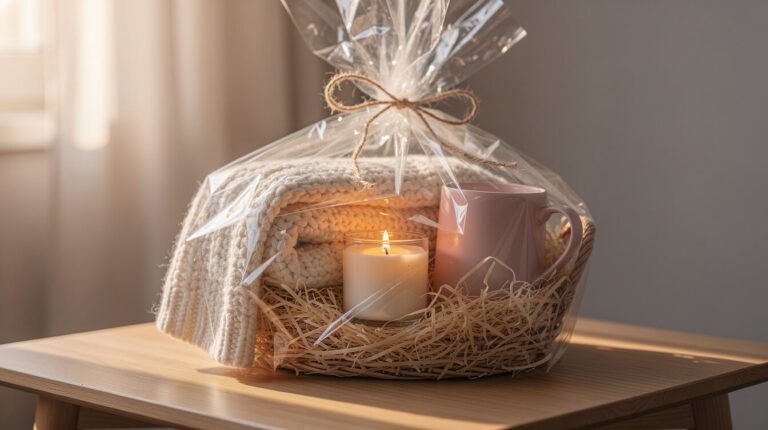
In colder months, lean into texture: swap a thin throw for something heavier, add a soft-shade lamp that leans warmer, bring in deeper, muted tones like dusty rose or sage instead of the palest pastels. In warmer months, lighten the palette and swap in something with a bit of shine, a glass vase instead of ceramic, a lighter cotton throw instead of knit, so the room feels breathable instead of heavy once the weather turns. Small holidays are a nice excuse for a single seasonal piece, a tiny seasonal plush or a small seasonal print, without committing to full holiday decor that has to be stored somewhere for eleven months of the year.
The easiest system is a small box of off-season pieces tucked in a closet. When you swap something in, the thing it replaces goes in the box rather than back on a crowded shelf, which naturally keeps the room from accumulating clutter over time and gives you a rotating collection instead of an ever-growing one.
Frequently asked questions about kawaii room accessories
How many kawaii accessories is too many for one room?
There is no fixed number, but a useful check is whether you can name what each piece does. If you can point to a shelf and say what each object is for, plant, light, catch-all, you are probably fine. If you cannot, that is usually a sign the shelf has drifted from styled to stockpiled, and it is worth removing a few pieces until you can answer the question again.
Do kawaii room accessories have to be pastel?
No. Pastel is common because it reads as soft, but a deeper, muted palette, dusty rose, sage, warm cream, can read just as cute with a bit more maturity to it. The softness is in the shapes and textures as much as the color, so a room built entirely in muted, grown-up tones can still read unmistakably kawaii if the shapes stay round and the materials stay soft.
What is the most affordable way to start?
A tray, a plush, and a single warm light source. Those three cover touch, function, and mood, which are the three things a room actually needs to feel considered, before you spend another dollar on anything else. Most people notice the room already feels different with just those three in place.
How do I keep the look from feeling childish?
Lean on quality materials and a limited palette rather than sheer quantity of cute objects. One well-made ceramic tray reads as intentional and grown. Ten small plastic trinkets read as a toy box, even if each one is individually charming on its own.
Where should I put accessories first if I only have one shelf to work with?
Start with whatever surface you actually look at most, which for most people is a nightstand, a desk, or the shelf directly across from the bed. Accessories placed somewhere you glance at daily earn their keep far faster than ones tucked into a corner you rarely walk past.
A reader’s cozy corner, reimagined
None of this requires a big weekend project or a room you are willing to repaint. It requires five thoughtful pieces, a little restraint about texture and color, and the willingness to swap things out as the seasons turn. Start with the five-piece set above, live with it for a couple of weeks, and let the room tell you what it actually needs next rather than guessing up front.
If a specific corner of the room, like your desk, is where you want to start, our kawaii desk accessories guide goes deeper on that one surface. And if you are working toward the fuller room rather than just the accessories layer, our kawaii room decor guide covers the bigger pieces this one deliberately leaves out, from bedding to the walls themselves.
We tend to think the best rooms are built slowly, one small good thing at a time, rather than assembled all at once from a single order. If you want more of that kind of small good thing, have a look around the shop for the round animals and soft designs that started this whole thing for us in the first place.