What Is a Sea Bunny? Meeting the Real Cute Animal the Internet Cannot Stop Sharing
Somewhere between 2015 and now, a tiny sea slug about the size of a fingernail became one of the most photographed animals on the internet, mostly because it looks like it borrowed a pair of rabbit ears from something else entirely. A sea bunny is not a bunny, is not related to a bunny, and does not hop, yet the name has stuck so completely that most people who love it have never once called it by its real scientific one. This is the honest, complete story of what a sea bunny actually is, why it looks the way it does, and why it keeps showing up in your feed looking impossibly, almost unfairly cute.
None of this is exaggeration for the sake of a good headline. Sea bunnies are real, documented, and studied by actual marine biologists, and the reasons they look the way they do come down to genuine biology rather than a clever camera angle. Once you know what is actually happening on that tiny body, the whole thing gets even better, not worse. Understanding a sea bunny does not make it less charming. It makes it more so.
What a sea bunny actually is

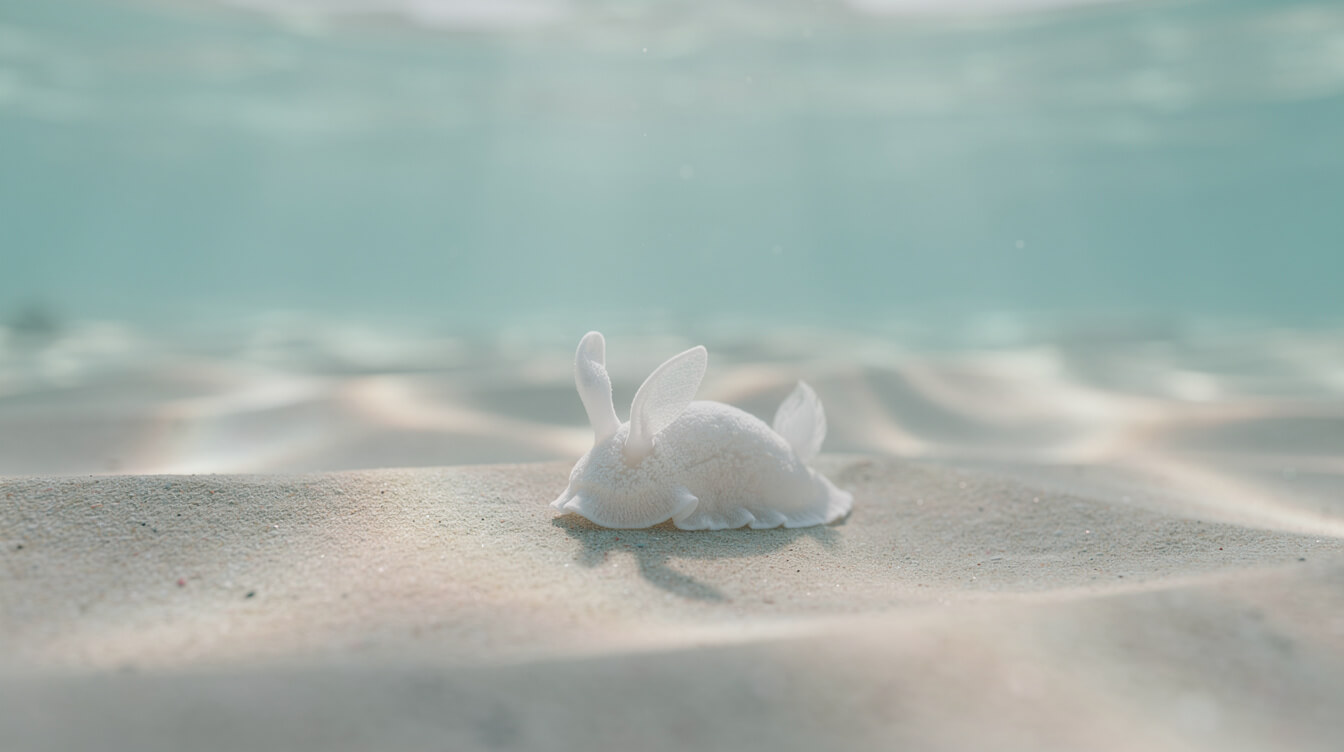
A sea bunny is the common nickname for Jorunna parva, a small species of dorid nudibranch, which is itself just a technical way of saying a soft-bodied sea slug that lives its whole life without a shell. Most nudibranchs land somewhere between an inch and a few inches long, and sea bunnies sit toward the smaller end of that range, usually well under an inch, small enough that a fully grown adult can rest comfortably on a fingertip. The body is off-white to pale yellow, covered in small rounded bumps called caryophyllidia, which is the actual source of the fuzzy, almost fur-like texture people notice first in photographs.
The two small projections on the front of its head are called rhinophores, and they are not ears in any functional sense. They are sensory organs, built for detecting chemical signals in the surrounding water rather than sound, but their shape and placement happen to land in almost exactly the spot where a real rabbit’s ears would sit. That single coincidence of shape did more to make this animal famous than anything else about it.
Sea bunnies are hermaphroditic, like most nudibranchs, and move at a genuinely glacial pace across rocks and sand, using a wide, muscular foot instead of legs or fins. They have no shell to retreat into and no obvious means of active defense, which sounds like a design flaw until you learn what most nudibranchs actually rely on instead, a topic worth its own explanation.
Nudibranchs as a whole are famous among divers for the opposite look, flamboyant ruffled bodies in electric colors meant to warn predators off rather than invite anyone closer. A sea bunny is the quiet exception in that family photo, trading the loud warning colors most of its relatives rely on for something that reads as gentle and approachable instead, even though the underlying chemical defense works the same way either style is packaged.
Coloring varies more than most photos suggest. The majority of sea bunnies people see online are pale cream or white with fine black or brown speckling across the back, but yellow, orange, and even greenish individuals turn up as well, all of it depending on the specific sponge diet and local population. Jorunna parva was first formally described by science in the 1930s, long before anyone was calling it a sea bunny, and it sat as a fairly obscure entry in marine biology texts for decades before a handful of close-up photographs gave it an entirely new, much more public identity.
Why it looks like a bunny when it is not a bunny at all

Every dorid nudibranch, sea bunnies included, spends its whole adult life eating one thing almost exclusively: sponges. Many sponges build up toxic or foul-tasting chemical compounds specifically to keep from being eaten, and nudibranchs evolved the opposite trick, absorbing those exact compounds from their food and storing them in their own skin instead of being harmed by them. A sea bunny is, in a very real sense, walking around wearing the chemical defenses of whatever sponge it most recently ate, which is most of the reason it can afford to move so slowly and skip a shell altogether. Nothing wants to eat something that might taste like poison.
What the rhinophores are actually for
The rhinophores do the real work of finding that food. They are packed with chemoreceptors, essentially a nose built for water instead of air, and a sea bunny uses them constantly, waving them gently to pick up the chemical trail of a sponge colony nearby. The fact that this genuinely useful sensory organ also happens to look exactly like a soft little bunny ear is coincidence, not design, and that coincidence is doing an enormous amount of the emotional work in every photo.
Why it looks fuzzy without any actual fur
The other detail people always ask about is the texture. A sea bunny looks like it should feel soft and fuzzy, almost like a tiny stuffed animal, but the caryophyllidia covering its body are not fur or hair. They are small, firm, rounded tubercles, part of the animal’s actual skin, and while they do soften the silhouette in photographs, running a finger across a real one would feel closer to a slightly bumpy gummy candy than anything genuinely fuzzy. The softness is entirely visual. It works exactly as well as if it were real.
Where sea bunnies live, and why seeing one in person is rare

Sea bunnies live in shallow, warm coastal waters throughout the Indo-Pacific, with some of the most consistent sightings reported around Japan, particularly during the colder months when they tend to be more active and easier to spot. They favor rocky reef edges and sandy patches close to the sponge colonies they feed on, usually at depths a snorkeler could reach without any specialized equipment, which is part of why so many of the most famous sea bunny photos come from divers and snorkelers rather than deep-sea research expeditions.
Actually finding one takes patience even in the right location. A sea bunny’s small size and pale, mottled coloring blend in easily against sand and rock, and its complete lack of urgency means it rarely moves far enough to catch a passing glance the way a fish would. Most nudibranchs, sea bunnies included, also live for only about a year, cramming an entire life cycle, from hatching to reproduction to death, into that single short window, which adds a small, genuine poignancy to every photo of one out in the wild.
Public aquariums in Japan occasionally keep sea bunnies on display for exactly this reason, since most visitors would otherwise never get the chance to see one up close. Keeping one as a home pet is a different story entirely. Nudibranchs are notoriously difficult in captivity because of how specific their diet is, and a sea bunny separated from the exact sponge species it depends on will simply stop eating. This is one of the rare cute animals that is genuinely better appreciated through a photograph than through an attempt to own one.
Sea bunnies are not currently listed as endangered or specially protected, mostly because so little population data exists for an animal this small and this short-lived. That is not the same thing as being unaffected by a changing ocean. Sponges, the one food source a sea bunny cannot do without, are sensitive to water temperature and pollution, and a coastline that loses its sponge colonies quietly loses its sea bunnies along with them, even without a single headline announcing it.
Why the internet cannot stop sharing sea bunny photos and videos
Sea bunny photos have been circulating since at least the mid-2010s, gaining a real wave of attention after a handful of aquarium and diver photos made their way through Reddit and social platforms and got picked up by curiosity-driven outlets under headlines that all asked some version of the same question, is this a real animal. The answer being yes, and the animal being this small and this genuinely rabbit-eared, was more than enough to keep the photos moving long after the initial news cycle faded.
The timing lined up neatly with a broader cultural hunger for exactly this kind of animal: small, round, harmless-looking, and adjacent to the kawaii aesthetic that already prizes soft shapes and gentle faces over anything sharp or intimidating. A sea bunny checks every box that aesthetic already cares about, and it does it without any illustration or stylizing required. Nature, in this one case, did the design work first.
There is also something disarming about an animal this vulnerable surviving anyway. A creature with no shell, no speed, and no obvious defense, thriving simply by being colorful, small, and quietly clever about its diet, is a nice thing to be reminded of on a given day. It suggests that soft and slow are not automatically the same thing as unprotected.
It also helps that a sea bunny photograph requires almost no context to land. Unlike a joke or a meme format that needs a caption to make sense, a close-up of something this small and this rabbit-eared explains itself completely in a single glance, which is exactly the kind of image that travels fastest and furthest once it starts moving.
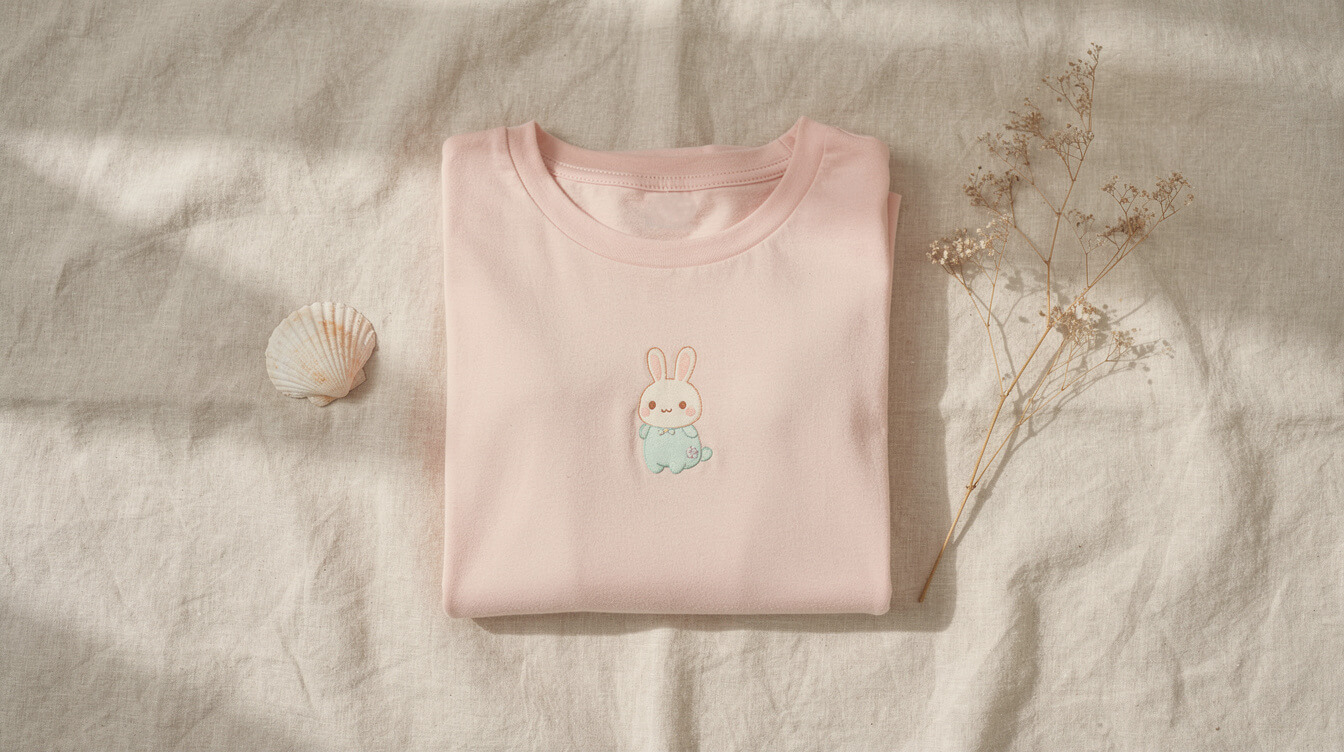
If the whole idea has you wanting to keep a small sea bunny nearby without needing a saltwater tank, our Kawaii Sea Slug Shirt keeps the design just as understated as the real thing, one soft little creature, no clutter, printed to actually hold up through a full season of washes instead of fading after a handful of wears.
The cutemerch letter
A small good thing, once a week
One short, kind email with our coziest posts and new round animals from the shop. No spam. Unsubscribe anytime.
Sea bunnies among the internet’s other impossibly soft animals

Sea bunnies did not invent this space. They joined a small, informal club of animals the internet has decided are almost unreasonably soft-looking, a club that also includes axolotls, certain frogs, and pretty much anything that qualifies as what we have written about before as round animal design, the same soft-shape, simplified-feature look that reads as instantly gentle before a viewer even knows what animal they are looking at. A sea bunny fits that shape language almost too perfectly, small and rounded with a face built from just a couple of visible features.
We have covered a version of this same phenomenon before, in our frog gift guide and in a closer look at the whole emotional support animal shirt trend, where the sea bunny gets a mention as one of the trend’s unofficial mascots alongside the axolotl. The pattern holds up every time: an animal with a soft, rounded body and a slightly vulnerable presence ends up standing in for a feeling most people recognize but rarely say out loud, the simple wish to move a little slower and be looked after a little more gently.
What sets the sea bunny apart from that wider group is that almost nothing about its cute reputation was invented for merchandise first. The axolotl’s permanent smile and the frog’s patient stillness both translated easily into illustration, but the sea bunny arrived already looking like a plush toy someone accidentally dropped into the ocean, no stylizing required. That is a rare thing for a real, wild animal to pull off.
Sea bunny or axolotl, if you had to choose one
People who like both tend to get asked to pick a favorite eventually, and the honest answer is that the two animals are doing slightly different emotional jobs. The axolotl’s whole appeal sits in that permanent, faintly bewildered smile, an animal that looks like it is always a little surprised by its own day. A sea bunny does not really have an expression at all, no visible eyes or mouth to speak of, and the appeal comes instead from its shape and its stillness, the sense of something that has fully given up on being fast or intimidating and is doing just fine anyway. One makes you smile back. The other makes you slow down.
Frequently asked questions about sea bunnies
Is a sea bunny actually related to a rabbit?
No, not even loosely. A sea bunny is a sea slug, a type of mollusk, and shares no meaningful biology with rabbits beyond the coincidental shape of its rhinophores. The name is entirely about appearance, not ancestry.
Can you keep a sea bunny as a pet?
Not realistically. Sea bunnies depend on a narrow, specific sponge diet that is difficult to replicate outside their natural habitat, and most nudibranchs kept outside those conditions will simply refuse to eat. A handful of public aquariums manage it with real expertise behind the scenes, but it is not a home aquarium project.
Are sea bunnies dangerous or poisonous to touch?
They are not aggressive and pose no real threat to a person, though the same chemical compounds they absorb from sponges as a defense are a good reason to admire one with your eyes rather than your hands if you ever encounter one in the wild.
Why do sea bunny photos always look so similar?
Most widely shared sea bunny photos come from a small number of shallow, warm-water locations, especially around Japan, where the animal is easiest to spot and photograph at close range, which is why the same soft lighting and pale sand backdrop shows up again and again.
How big does a sea bunny actually get?
Most adults stay under an inch long, and many are closer to half that, which is part of why they were so rarely noticed before underwater macro photography made them easy to see clearly. A sea bunny you can spot with the naked eye while wading is already on the larger side for the species.
Final thoughts
A sea bunny is proof that the internet did not invent this particular kind of cute so much as it discovered it already sitting quietly on the ocean floor, doing its own thing, unaware that a name borrowed from a completely different animal was about to make it briefly famous. It is small, slow, defenseless in every conventional sense, and thriving anyway, which is a nice thing to sit with for longer than the length of one photo scroll.
None of this needs to be complicated to be worth knowing. A tiny sea slug looks like a bunny because of a sensory organ doing its actual job, and that coincidence turned out to be enough to make millions of people smile at their phones. Sometimes the best explanations do not make something less magical. They just show where the magic was coming from the whole time.
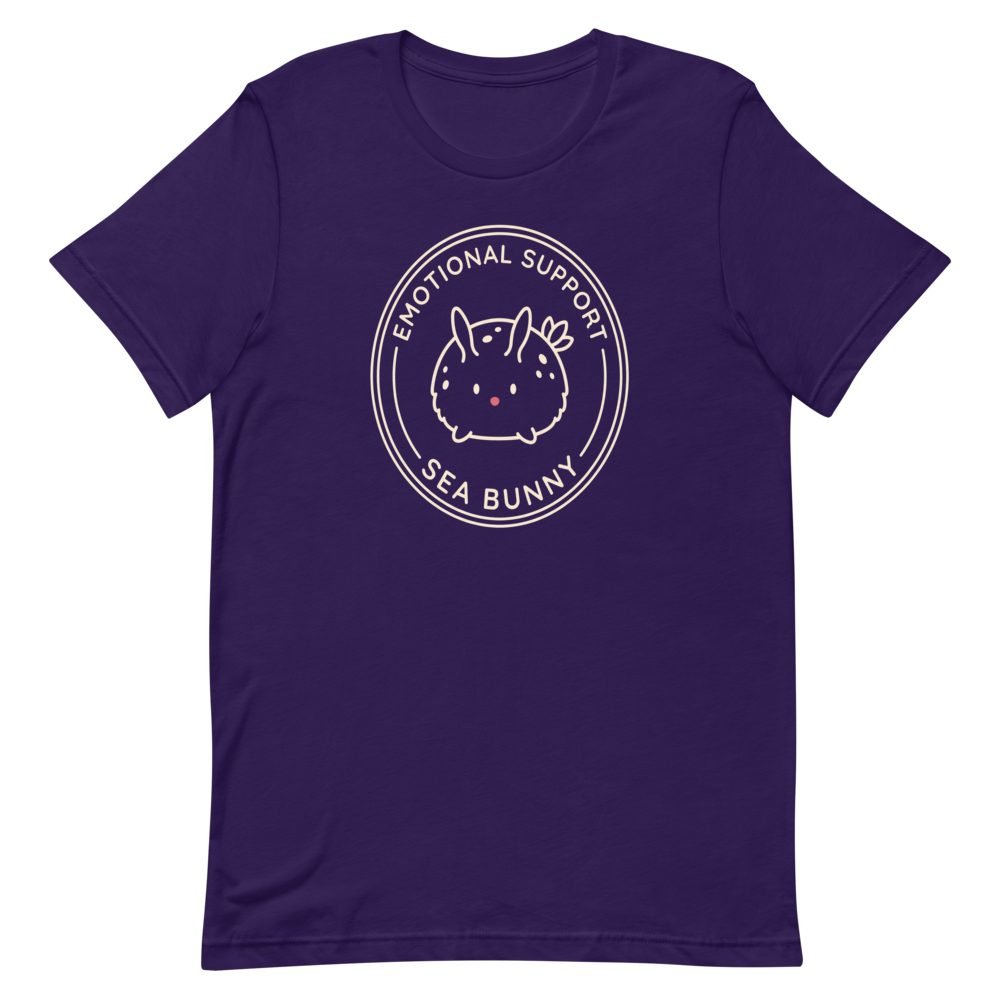
Take the sea bunny energy with you
Soft, small, and quietly unbothered. A gentle reminder that slow is not the same thing as unprotected.
Before you go
Want the next one in your inbox?
We write something soft every day. The best of it lands in one gentle weekly note, for you or for the friend who needs it.