Cute moths, and why the night shift is so fluffy
A cute moth is one of those things you notice once and then see everywhere. A small fuzzy shape on the porch screen. A pink and yellow puff asleep on the side of a maple. A plain brown one resting on the windowsill with its wings folded like a tiny tent, waiting out the daylight. Moths have a reputation for being the dusty, slightly worrying cousin of the butterfly, and that reputation is quietly wrong. Up close, many of them are soft, round, and very gentle-looking, and every one of those qualities turns out to have a reason behind it.
This is a guide to why moths look the way they do, which ones are worth knowing by name, and the one small, kind thing anyone with a porch light can do for them. No collecting, no pinning, just a better look at the night shift.
Why the cute moth is cuter than its reputation
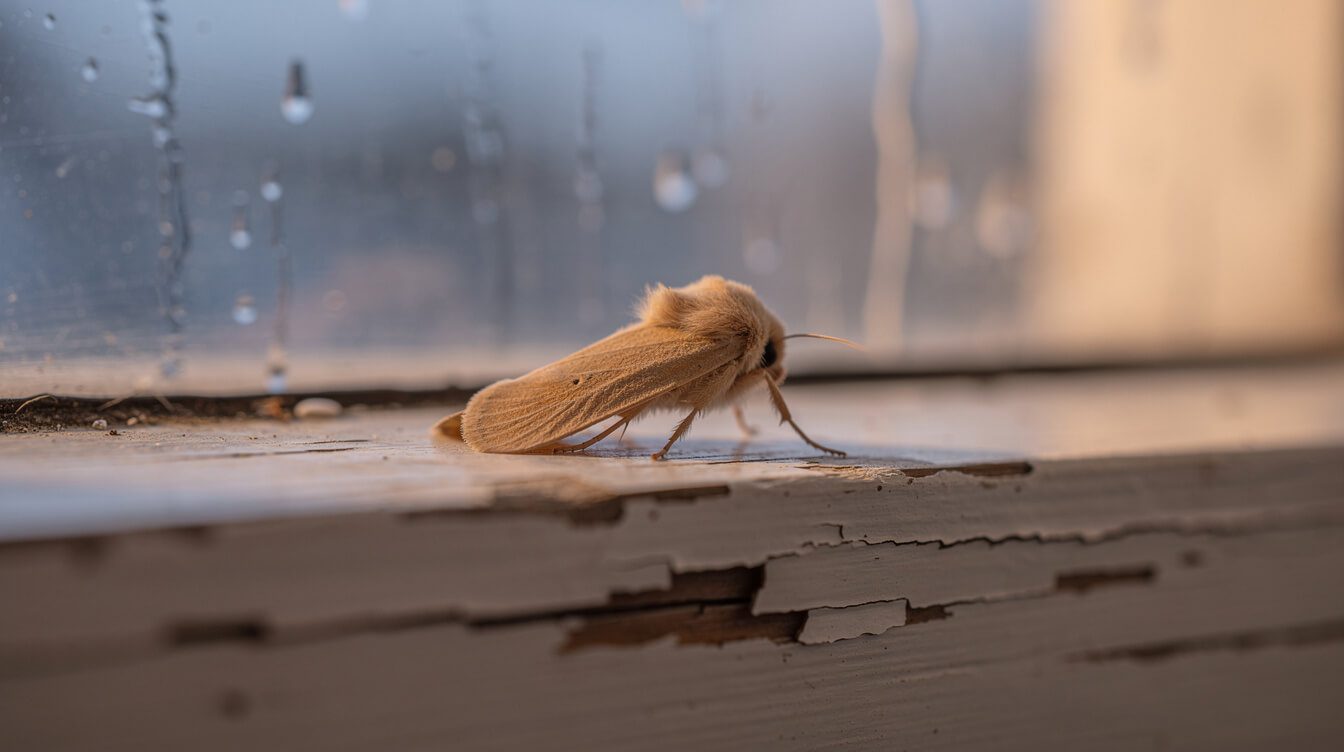
Most of us meet moths in the least flattering way possible. One bumps around a lamp at night, leaves a little dust on your fingers, and gets filed under “pest.” Butterflies get the gardens and the children’s books. Moths get the closet.
That says more about timing than about moths. Butterflies fly in the day, when we are outside and paying attention. Most moths fly at night, so we only see them when something has gone wrong, usually because a light has pulled them off course. It is a bit like judging an animal entirely by how it looks when it is lost.
Look at a moth at rest, in good light, and the picture changes. Many species have thick, plush bodies, wide feathery antennae, and big dark eyes set into a fuzzy face. Some are the soft pastel colors you would pick for a nursery. Others are plain brown and still somehow charming, like a well-loved corduroy jacket. The Nature Conservancy puts the count at more than 160,000 known moth species, with plenty still unnamed, which means the cute moth is not a rare exception. It is a very large club that nobody told you about.
There is also a reason the internet has started to come around. Moth photos travel well because they reward a second look. The first glance says “bug.” The second says “wait, it has eyebrows,” and the third says “that is a small stuffed animal with wings.” That slow reveal is a lot of what makes something feel cute instead of just pretty, and it is the same thing we noticed while writing about weird cute animals. The charm is in the details you only catch when you slow down.
Why are moths so fluffy? Warmth, and hiding from bats
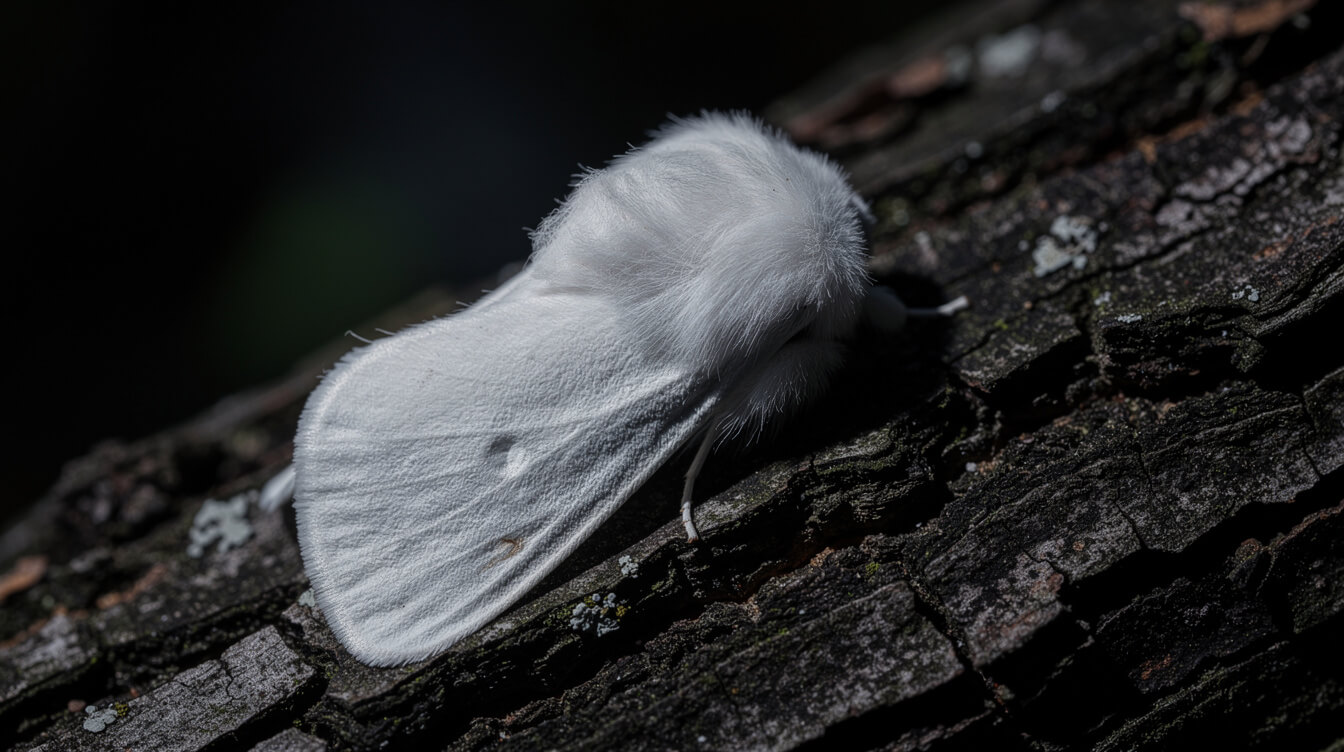
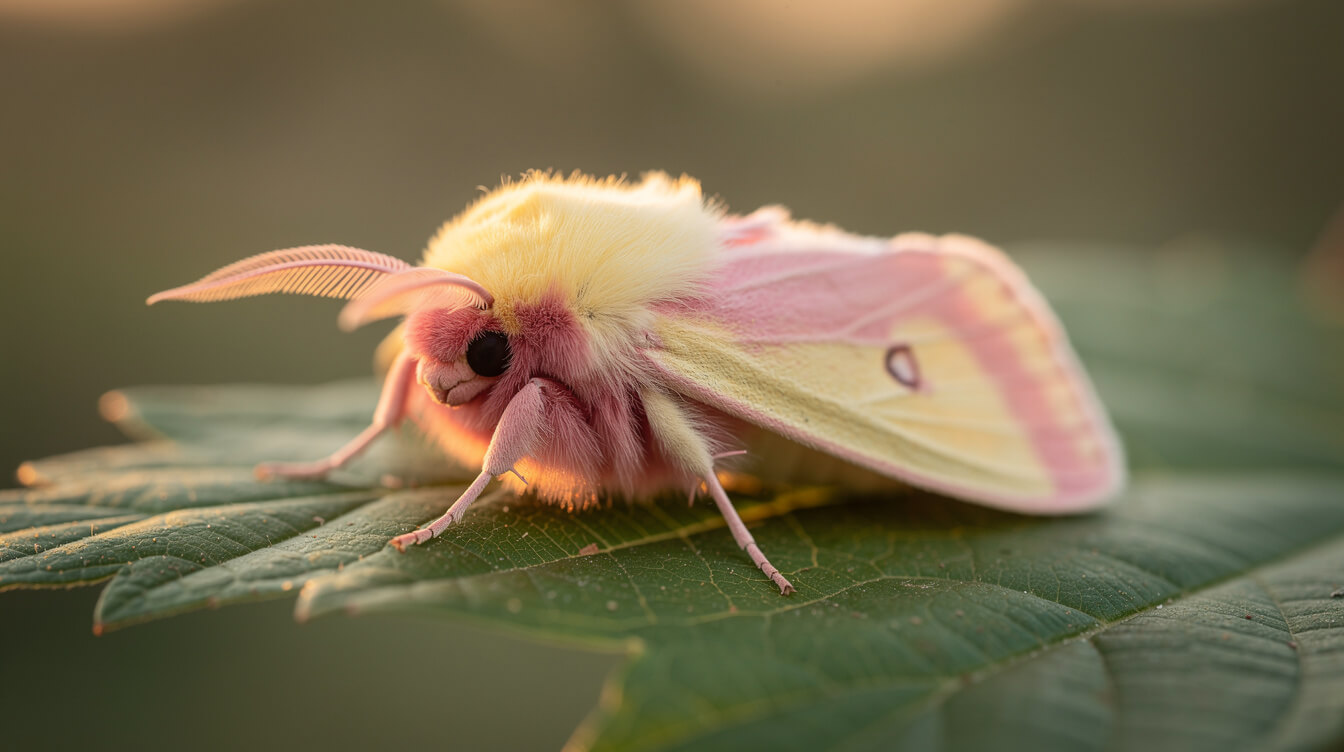
The fluff is the most obviously cute thing about a moth, and it is not decoration. What looks like fur is actually a dense coat of scales, the same kind of tiny overlapping plates that give butterfly wings their color. On a moth’s body, many of those scales are long and hair-like, packed so thickly that the whole animal reads as soft.
A fleece for cold nights
Flying takes warm muscles, and night is cold. Many moths warm up before takeoff by shivering their flight muscles, a little like an engine idling, and the fuzzy coat around the middle of the body helps hold that heat in. A moth that flies in October air or at high elevation needs that insulation the way you need a sweater on an evening walk. The fluffiest moths are often the ones living the chilliest lives.
Acoustic camouflage
The second job is stranger and lovelier. Bats hunt moths by echolocation, sending out high-pitched calls and listening for the echo. Many moths can hear those calls and dodge, but some species cannot hear at all. Researchers at the University of Bristol studied two of those earless moths and found that the scales on their bodies absorb as much as 85 percent of the incoming sound energy, cutting the distance at which a bat could detect them by nearly a quarter. The fluff works like the soft panels in a recording studio. It swallows the echo.
So the cute moth is fluffy for the same two reasons a cozy sweater is good: it keeps you warm, and it helps you go quietly unnoticed. That is a very relatable set of priorities.
Feathery antennae, dark eyes, and the round body: what our brains see in a cute moth
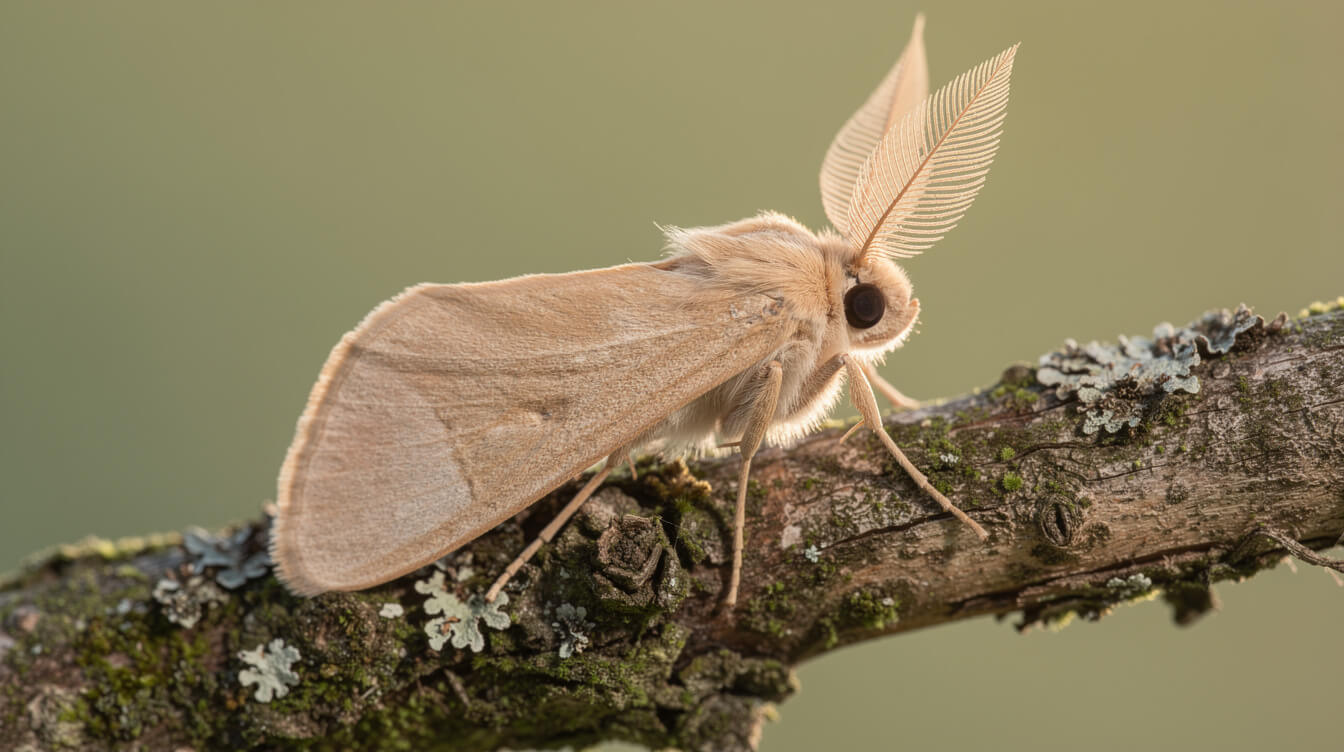
Fluff is only part of it. A cute moth also tends to have three features that our brains respond to without asking permission.
The antennae. Butterflies have thin antennae with a little club at the end. Many moths have antennae shaped like ferns or combs, especially the males. Those feathery fronds are not for show either. They are covered in sensors that pick up the scent a female releases, and in some silk moths the males can follow that faint trail from a remarkably long way off. To us they look like two tiny eyebrows or a pair of soft feathers tucked behind the ears, which gives the face a surprised, attentive expression.
The eyes. Moth eyes are large compound eyes, and in many species they read as two big, dark, glossy beads. Large dark eyes set low on a round head are exactly the cue that makes puppies and owlets look sweet, a pattern we unpacked in our piece on baby schema and weird cute animals. We will not re-teach it here, except to say that moths hit it by accident and very well.
The round body. A moth at rest often folds its wings close and tucks its legs in, which turns the whole animal into a compact, rounded shape with a fuzzy front. Roundness reads as soft and harmless. Pair that with fluff and big eyes and you have something your brain wants to call a small mammal, even though it is very much an insect.
None of this is the moth trying to be cute for us, of course. It is warmth, smell, and night vision. The cuteness is a happy side effect of a body built to live gently in the dark, which is also why moths fit so naturally into the small-and-overlooked spirit of goblincore.
Seven cute moths worth knowing by name
This is not a list of every pretty moth on earth. It is seven that each show off a different kind of cute, with a line on why.
1. Rosy maple moth
Pale butter yellow and strawberry pink, with fuzzy pink legs, and small enough to sit on a fingertip. The Dryocampa rubicunda of eastern North America looks like it was designed by someone who only owned pastel markers. Its caterpillars feed on maple leaves, hence the name.
2. The “poodle moth”
The famous one. A white, impossibly fluffy moth with fern-like antennae, photographed in Venezuela in 2009 by zoologist Arthur Anker. Here is the honest part: nobody has confirmed what species it is. Anker suggested it might belong to the genus Artace, but without a specimen it remains a beautiful, unsolved photo. We love it anyway, and we love that it is still a small mystery.
3. Io moth
At rest it looks plain, all soft yellow-brown wings. Then it opens its forewings and shows two huge eyespots on the hindwings, like a sudden wide-eyed stare meant to startle a hungry bird. Cute and dramatic at once, which is a rare combination.
4. Polyphemus moth
A big, velvety, cinnamon-colored silk moth with one round eyespot on each hindwing, named after the one-eyed giant of Greek myth. Like several silk moths, the adult has no working mouth and lives only a short while, so every one you see is on a brief, very focused errand.
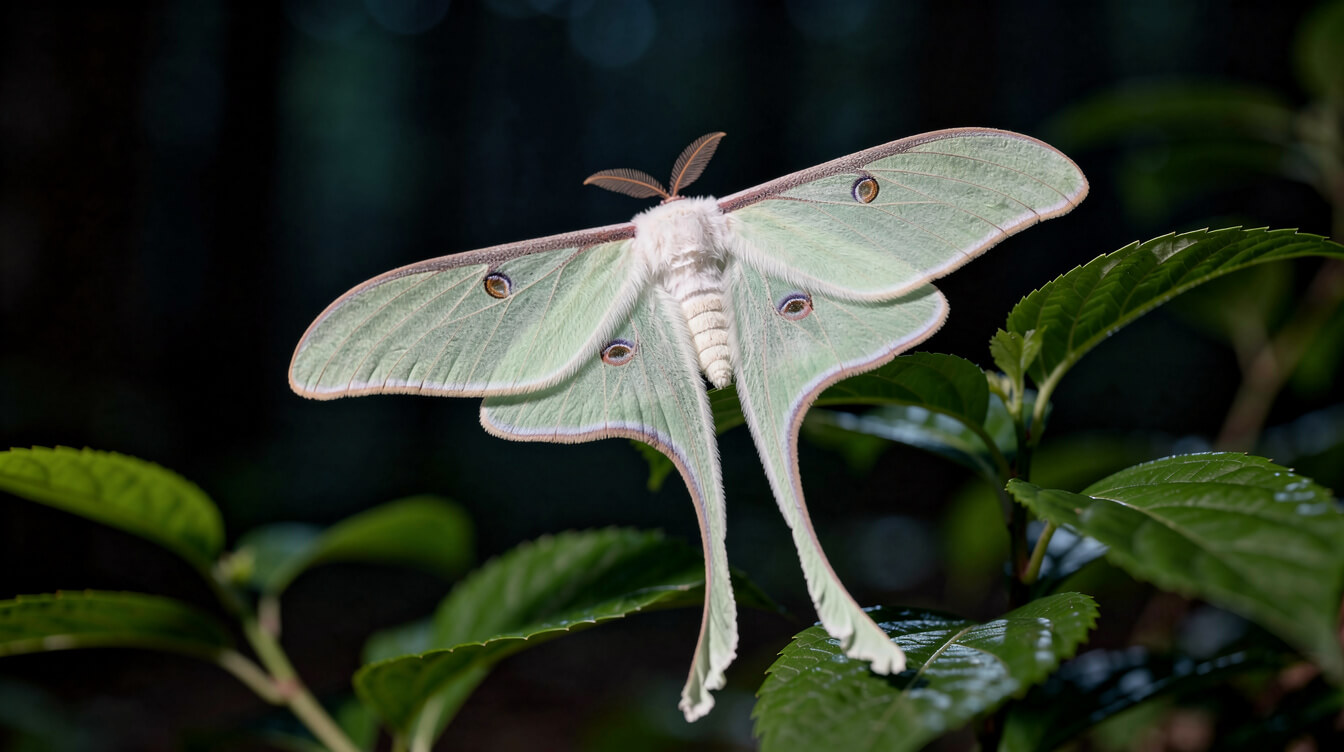
5. Luna moth
Pale mint green with long, curving tails and a fluffy white body. The tails are more than pretty: researchers have shown they spin in flight and draw a bat’s attack away from the body. Luna adults also have no working mouthparts and live about a week.
6. Hummingbird clearwing
One of the few cute moths you can watch in daylight. Hemaris thysbe hovers at garden flowers with its wings a blur and its round, olive-and-rust body held perfectly still, and people mistake it for a tiny hummingbird all summer long.
7. Southern flannel moth
The adult looks like a small, cream-colored pom-pom, which earns it a place here. It also comes with a gentle warning. Its caterpillar is just as fluffy and hides stinging hairs under that softness, so admire it with your eyes only. Cute and touchable are not always the same thing.
If you want to meet the moths that live near you, iNaturalist lets you photograph one and get help identifying it, and the observation becomes useful data for the people who study them.
The cutemerch letter
A small good thing, once a week
One short, kind email with our coziest posts and new round animals from the shop. No spam. Unsubscribe anytime.
Why moths fly at lights, and the small kind thing you can do about it
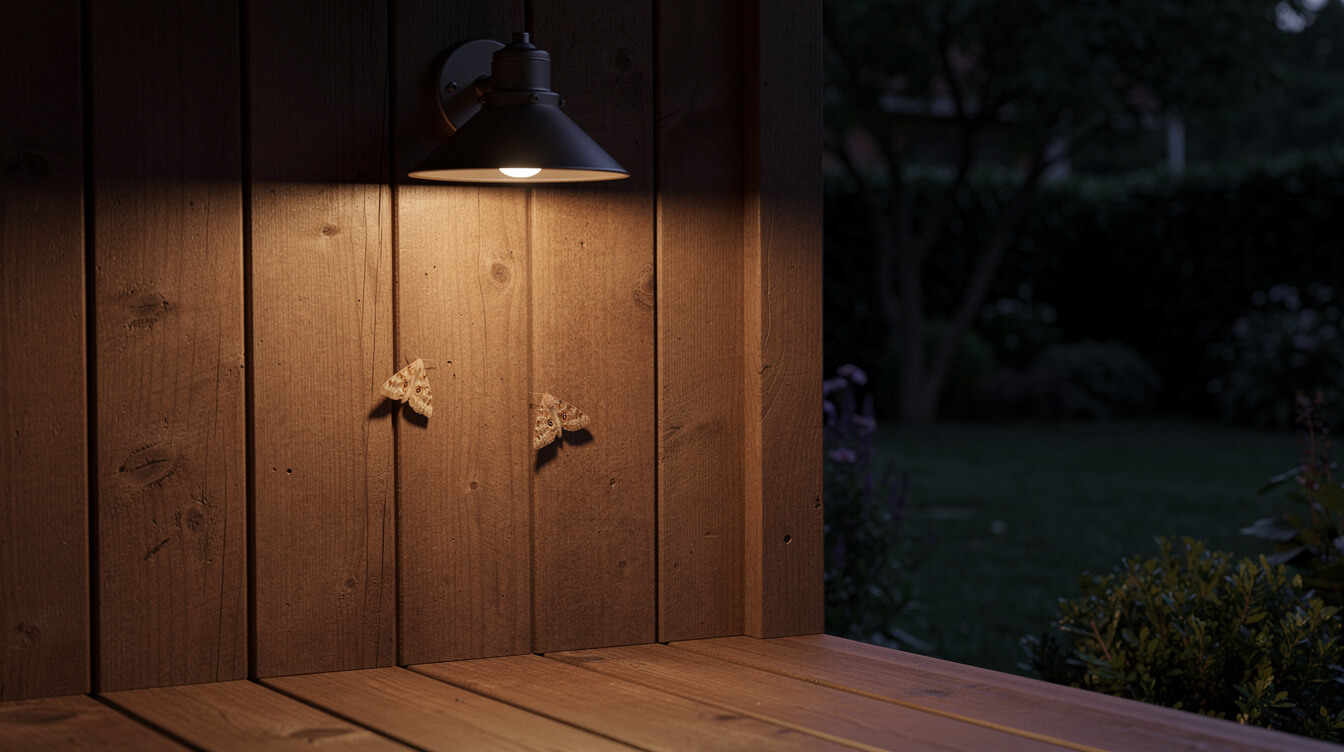
For a long time the explanation was that moths mistake lamps for the moon. A 2024 study in Nature Communications tracked insects in three dimensions around lights and found something different. Flying insects keep their backs turned toward the brightest part of the sky, a reflex that normally keeps them level. Near a lamp, that reflex tilts them around the light in confused loops, sometimes flipping them upside down when they pass directly over it. They are not attracted to the lamp so much as trapped by it.
That matters, because a moth circling a porch light all night is not feeding, not finding a mate, and not pollinating the night-blooming flowers that depend on it. It is also an easy meal for anything that waits by the light. The good news is that this is one of the rare wildlife problems where small changes at home genuinely help.
- Turn outdoor lights off when you are not using them. This is the biggest help by far.
- Use motion sensors or timers for the lights you need.
- Choose warm-colored bulbs. Warm amber and yellow light tends to draw fewer insects than bright cool-white or blue-ish light.
- Point lights down and shield them, so they light the path instead of the whole sky.
- Close the curtains at night so indoor light does not spill into the garden.
Every July, National Moth Week invites people to do the opposite on purpose for one night: hang a white sheet, set a gentle light beside it, and see who visits, then turn it off and let everyone go. It is a sweet way to meet your neighbors with wings, and a nice reminder that the light is the thing to manage, not the moth.
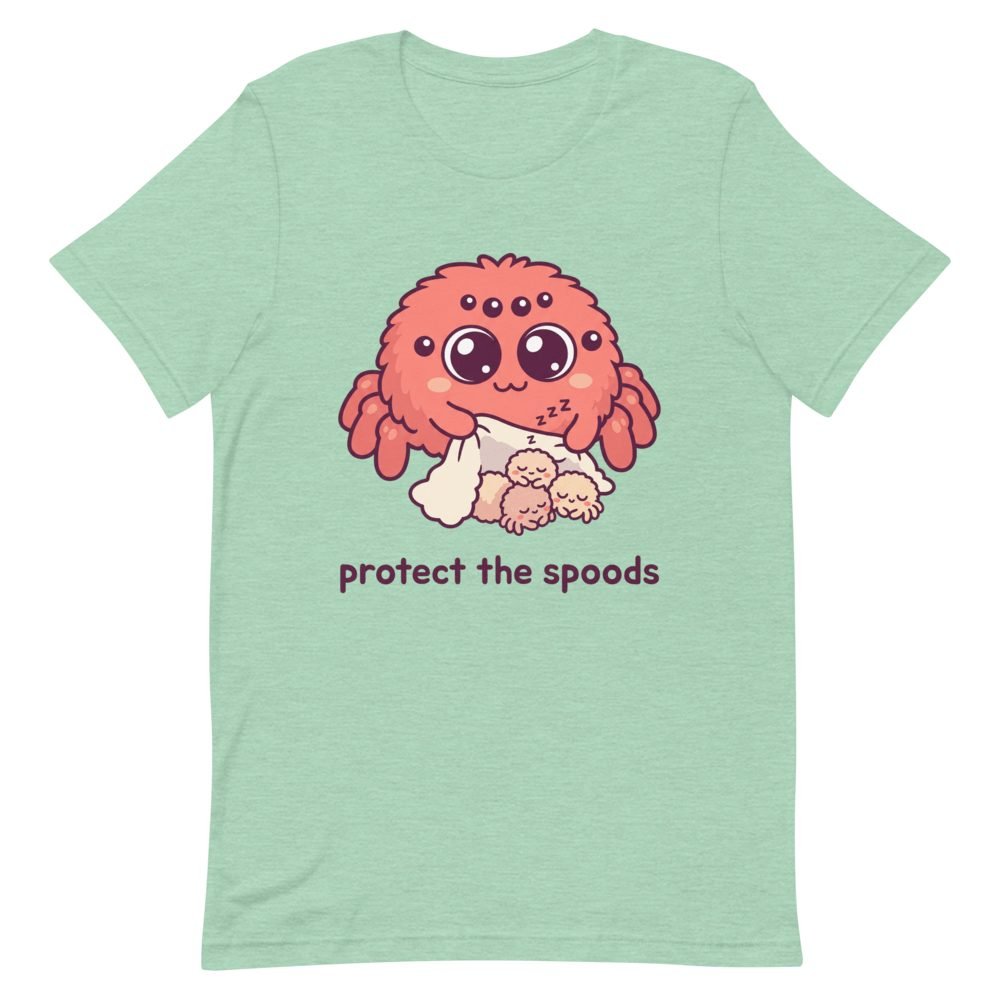
We feel the same way about small creatures in general. Our Protect the Spoods Cute Jumping Spider T-Shirt was made for the people who carry spiders outside in a cupped hand, and it fits the same instinct that turns off the porch light for a moth. There is no moth design in our shop yet, and we would not pretend this is one. It is the closest thing we have to a shirt for the night shift.
For the people who turn the porch light off
A round, rosy jumping spider keeping her little ones safe, and three small words for anyone who looks out for the tiny creatures of the night. Not a moth, we know. The same soft spot, though.
Do moths eat clothes? Mostly no

This is the worry that gives every moth a bad name, so here is the reassuring version. Of all those moth species, only a few are known for damaging clothes, mainly the webbing clothes moth and the case-making clothes moth. And it is not the adult moth doing it. Adults of these species do not feed on fabric. Their small larvae do, and they are after the protein in animal fibers like wool, silk, fur, and feathers, especially when the fabric carries traces of sweat or food.
The fluffy moth on your porch is almost certainly not one of them. Clothes moths are tiny, plain, and shy of light, and they would much rather stay in a dark closet than visit a lamp.
A few gentle habits keep a wardrobe safe without anything harsh:
- Wash or clean wool and silk before storing them for the season, since clean fabric is far less tempting.
- Store knits folded in sealed bags or bins.
- Shake out and air the things you do not wear often.
- Cedar blocks and lavender sachets smell nice, though they are a helper, not a guarantee.
Cotton tees are low on a clothes moth’s menu, but they still last longer with care. Our guide to washing graphic tees so the print stays soft covers the folding and storing habits that keep a favorite shirt looking new for years.
Frequently asked questions about cute moths
What are the pretty moths called?
The ones people most often mean are the big silk moths, like the luna, polyphemus, cecropia, and Io, plus small showy ones like the rosy maple moth. If you have a photo of a cute moth you cannot name, iNaturalist is the easiest way to find out.
What is the life cycle of a moth?
Egg, caterpillar, pupa, adult. The caterpillar does almost all the eating and growing, then makes a cocoon or pupates in the soil. The winged adult’s main job is finding a mate and laying eggs, which is why some, like the luna, do not eat at all.
What is a luna moth?
A large pale-green silk moth of eastern North America, with long trailing tails and a fluffy white body. It flies at night, lives about a week as an adult, and uses its spinning tails to throw off hunting bats.
Are fluffy moths safe to touch?
Adult moths are harmless, but touching rubs off their scales, which they cannot regrow. It is kinder to look and photograph. Some fuzzy caterpillars, like the southern flannel moth’s, can sting, so leave those alone completely.
Is the poodle moth real?
The photo is real. The species is not confirmed. It may belong to the genus Artace, but until someone finds and studies a specimen, it remains unidentified.
Why do moths have such feathery antennae?
Mostly to smell. The wide, comb-like antennae, more common in males, carry sensors that pick up the scent females release, so a male can find a mate in the dark.
Final thoughts
A cute moth is not a butterfly that missed the memo. It is a small, warm, quiet animal built for a world we mostly sleep through, with a fleece for cold nights, a coat that hides it from bats, and a pair of feathery antennae for finding its way home. Once you know that, the little brown shape on the windowsill looks less like a nuisance and more like a guest.
So the next time one lands near your door, take a second look. Notice the fluff, the eyes, the tidy folded wings. Then do it one small kindness and turn off the porch light. It is a soft thing to do for something that asks very little, and it makes an ordinary night a little gentler for everyone out there. If you have a soft spot for small overlooked creatures, our posts on the cutest jumping spider and the gentle isopod under your flowerpot are good company for this one.
Before you go
Want the next one in your inbox?
We write something soft every day. The best of it lands in one gentle weekly note, for you or for the friend who needs it.