The Emotional Support Animal Shirt Trend, Explained (and Why It Actually Works)
Somewhere in the last few years, “emotional support” stopped belonging only to actual service animals and started showing up on t-shirts, water bottles, and the occasional smooth rock someone keeps in their coat pocket for no explainable reason. An emotional support animal shirt is the wearable version of that joke, a small cartoon creature with an anxious little face, printed on soft cotton, worn half in jest and half completely sincerely. The joke part is easy enough to explain. The sincere part is more interesting, and it is the part worth actually sitting with.
This is a real look at where the trend came from, why the same handful of animals keep getting cast in the role, and why wearing one of these shirts genuinely seems to make people feel a little steadier on a hard day. Not a deep medical claim, nothing you need a doctor’s note for, no health promise attached. Just an honest look at a small, soft thing that works better than it has any right to, and how to wear one well.
Where the emotional support animal shirt trend actually started
Real emotional support animals are a legal and medical category. A dog or cat prescribed by a licensed professional to help a person manage a diagnosed condition, with documentation, housing protections, and a formal process behind it. That is a serious thing, and it is not what is happening on a graphic tee with a cartoon axolotl on it. What happened instead is a slow, entirely affectionate hijacking of the phrase, the kind the internet does constantly and mostly harmlessly.
Online culture has spent years labeling small comforting objects as “emotional support” this or that. The emotional support water bottle you carry everywhere for no functional reason beyond liking to hold it. The emotional support blanket that lives permanently on the arm of the couch. The emotional support snack you are not really going to eat, you just need it in the bag as a kind of promise to yourself. The phrase became shorthand for “this object does something for my nervous system, and I do not need to explain it further to anyone.” Once that shorthand existed as a shared joke, it was only a matter of time before it landed on a shirt with a small round animal printed on it, because round animals were already quietly doing exactly that job for people.
The timing also lines up with a broader shift toward naming feelings out loud instead of performing that everything is fine. A shirt that says, in effect, “today is a soft day,” without anyone having to actually say the sentence, fits neatly into that shift. It lets the animal do the talking.
So the trend is not really about animals at all, not at first. It is about naming a feeling honestly, with a wink attached so it does not feel too heavy to say out loud, instead of pretending you do not have one.
It also helps that the joke travels well. A shirt does not need an inside joke or a caption to work, the way a lot of internet humor does once it leaves its original platform. Someone can see a small worried axolotl on a stranger’s back at the grocery store, get the entire premise instantly, and smile without needing a single word of explanation. That kind of portability is rare, and it is a big part of why the idea moved from a passing online phrase into an actual, lasting category of merch.
What makes an animal “emotional support” coded
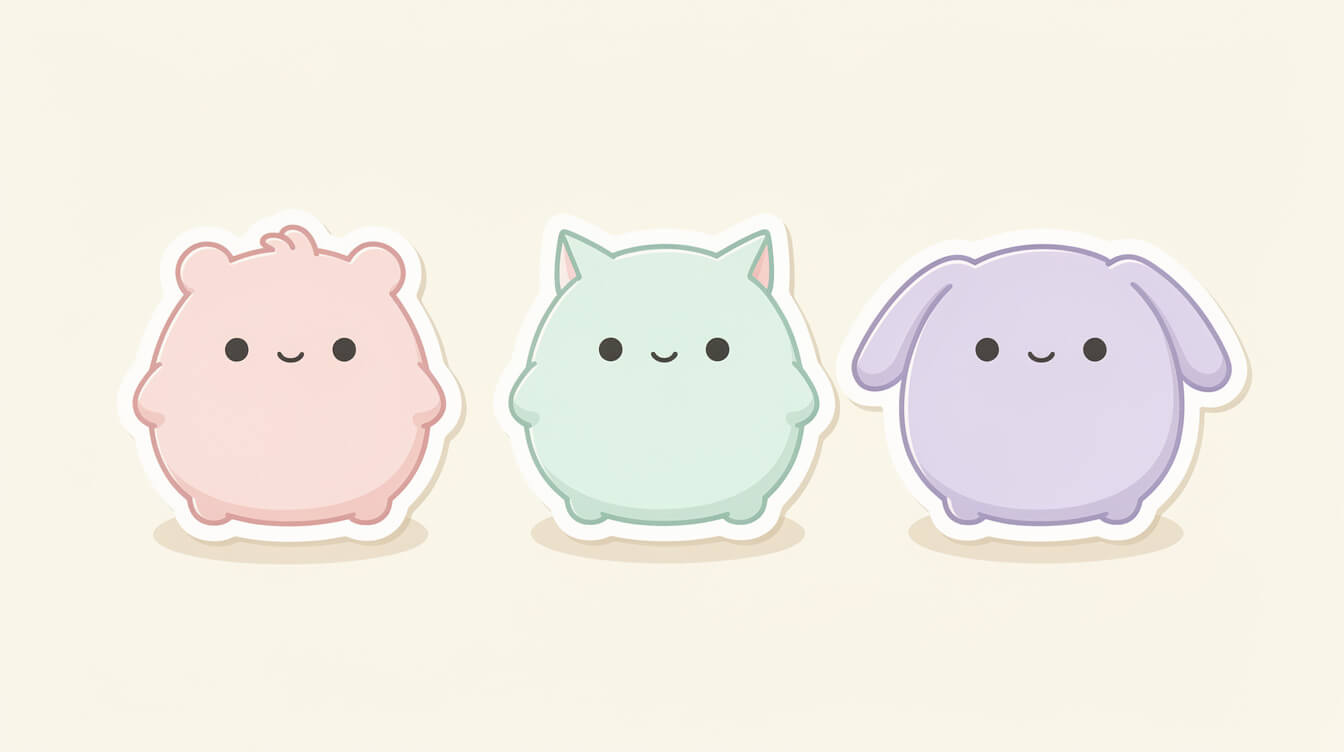
Not every animal gets cast in this role, and the ones that do not get picked are just as telling as the ones that do. You will not see an emotional support wolf, an emotional support hawk, or an emotional support shark, because those animals read as capable, sharp, entirely in control of their situation. Nobody needs comforting on their behalf. The animals that end up on emotional support merch share a very specific look: a soft, rounded body, small worried eyes, and a mouth that sits slightly open, as if they are also having a day and would rather not talk about it either.
The shape language underneath it
This overlaps heavily with what we have written about before as the round animal design language, the same soft-shape, simplified-face style that makes kawaii illustration feel warm instead of busy. Tiny limbs tucked in close, a body that reads as a circle or a gentle oval, a face built from just a couple of features instead of anything detailed or realistic. That style already signals softness to the brain almost instantly, before a viewer has even registered which animal they are looking at.
Emotional support merch borrows that entire shape language and adds one more layer on top of it: a slightly anxious expression. The animal is not just round and soft, it looks a little overwhelmed too, and that single detail is what makes the joke land. You are not just holding something cute. You are holding something that looks like it gets it, like it is having roughly the same week you are.
That is also why the trend rewards restraint in the illustration itself. The moment an animal’s expression tips from “gently worried” into “visibly panicked,” the joke stops being comforting and starts being stressful to look at, which defeats the entire purpose. The good versions of this design hold a very narrow, very deliberate emotional register.
Why axolotls and sea bunnies became the mascots of the trend
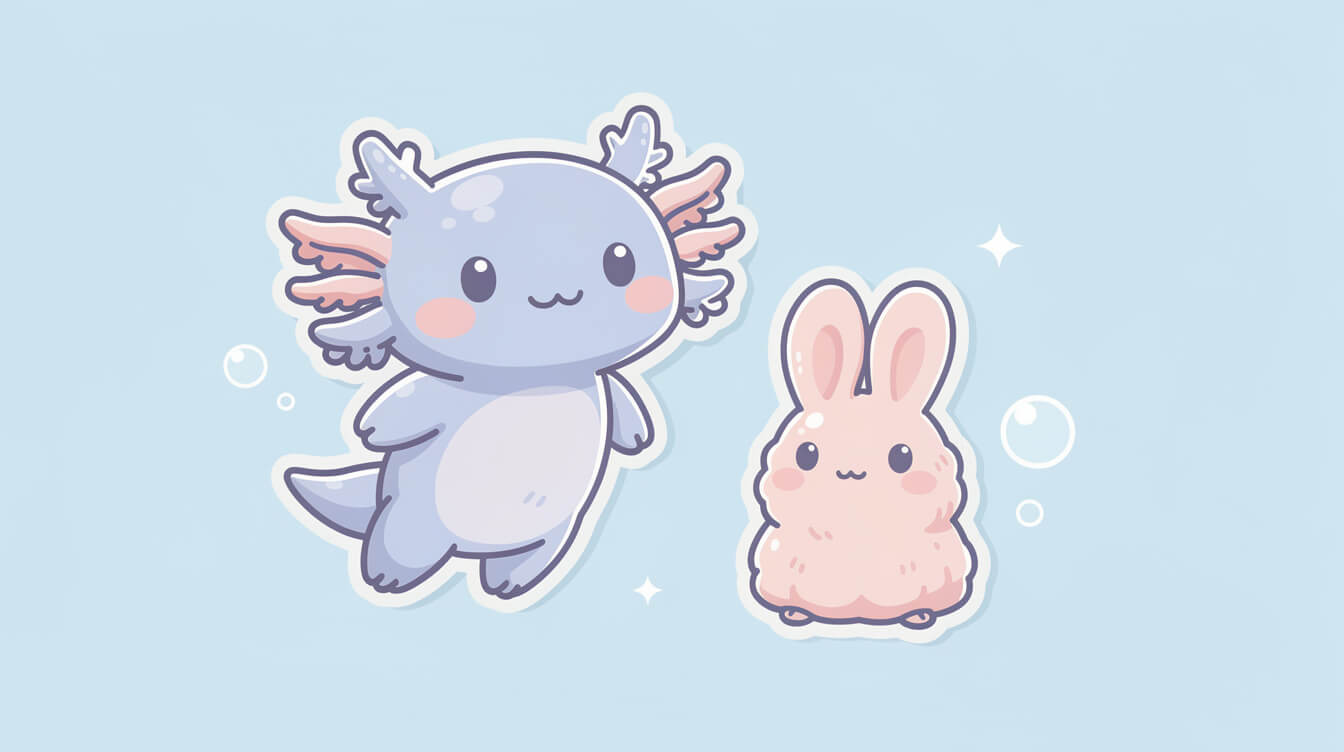
Two animals in particular became the unofficial faces of emotional support merch, and both of them earned the role honestly, through actual biology, not just clever marketing.
The permanent smile of the axolotl
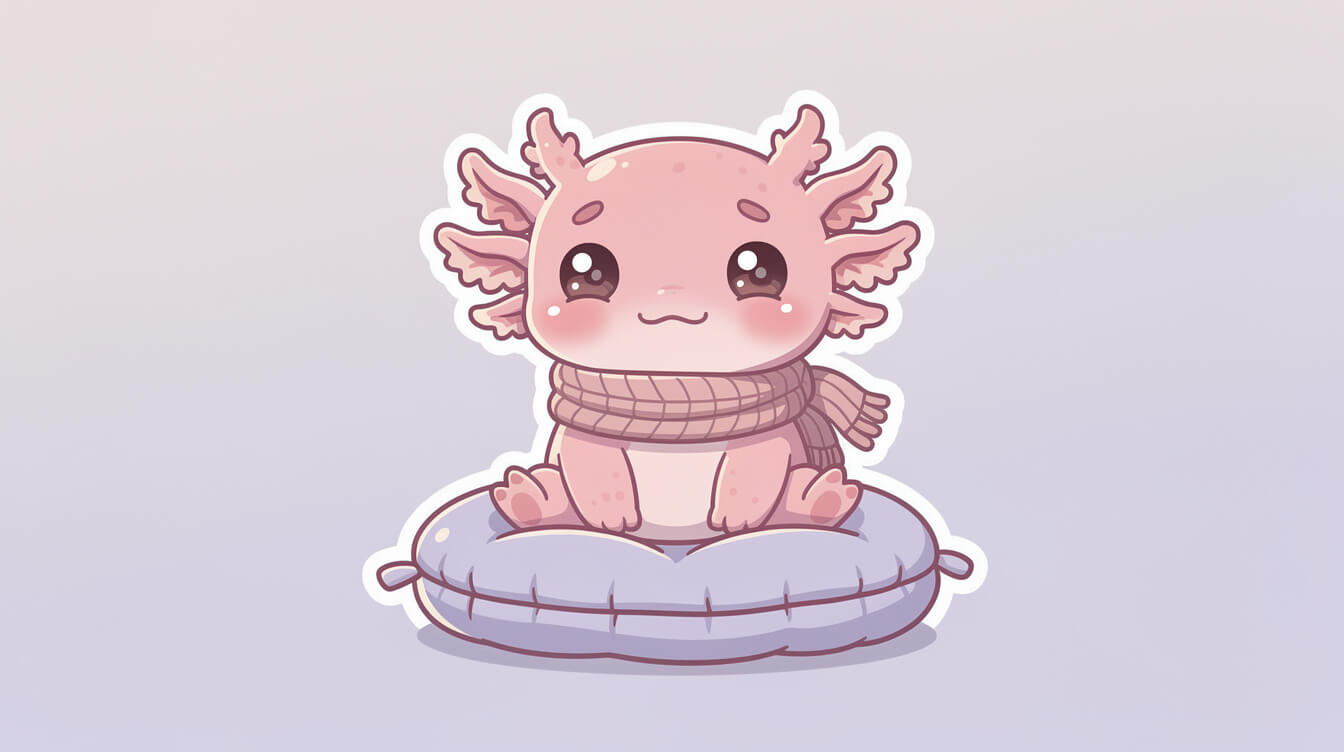
The axolotl has a mouth shape that reads as a permanent, gentle smile, which is a side effect of neoteny, the trait that keeps this salamander in its soft juvenile form for its entire life instead of maturing into a more typical adult shape the way most amphibians do. It never grows up, in a very literal biological sense, and its face never stops looking mildly pleased and mildly unsure at the exact same time. That specific combination, permanently smiling but never quite confident, is close to a perfect illustration of what emotional support merch is trying to say without saying it directly.
The sea bunny that is not a bunny at all
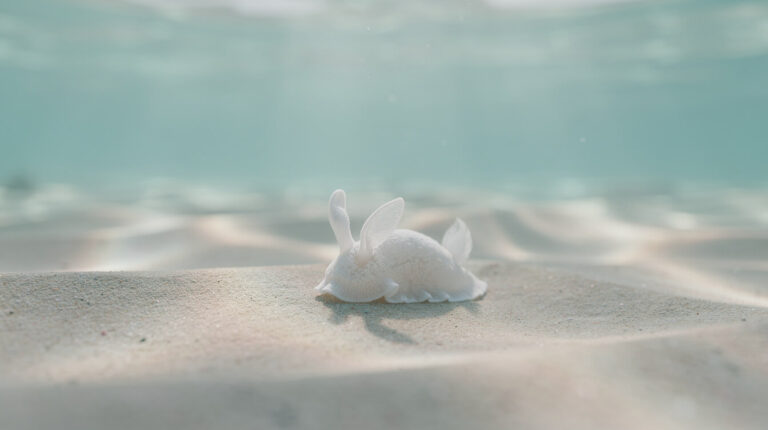
The sea bunny, which is not a bunny at all but a tiny species of sea slug called Jorunna parva, gets its name from the rhinophores on its head, small sensory organs that happen to look exactly like a pair of rabbit ears. It is soft-bodied, impossibly slow-moving, entirely defenseless, and typically no bigger than a fingernail. There is nothing about a sea bunny that suggests capability, speed, or urgency of any kind. There is everything about it that suggests it needs a quiet corner and a long nap, which is exactly the energy most people are quietly trying to borrow on a rough Tuesday.
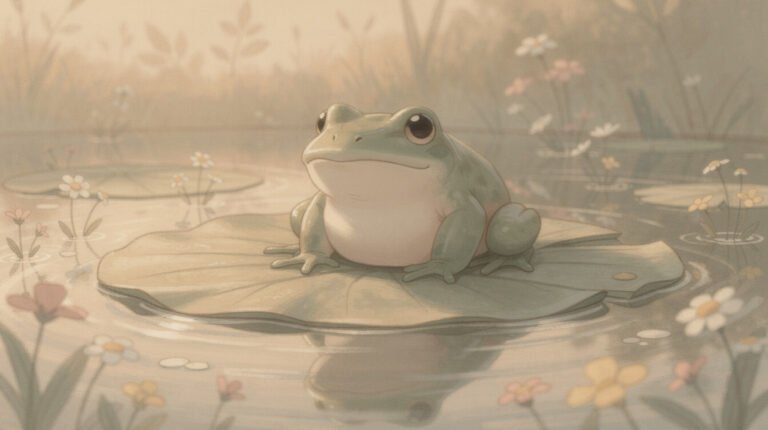
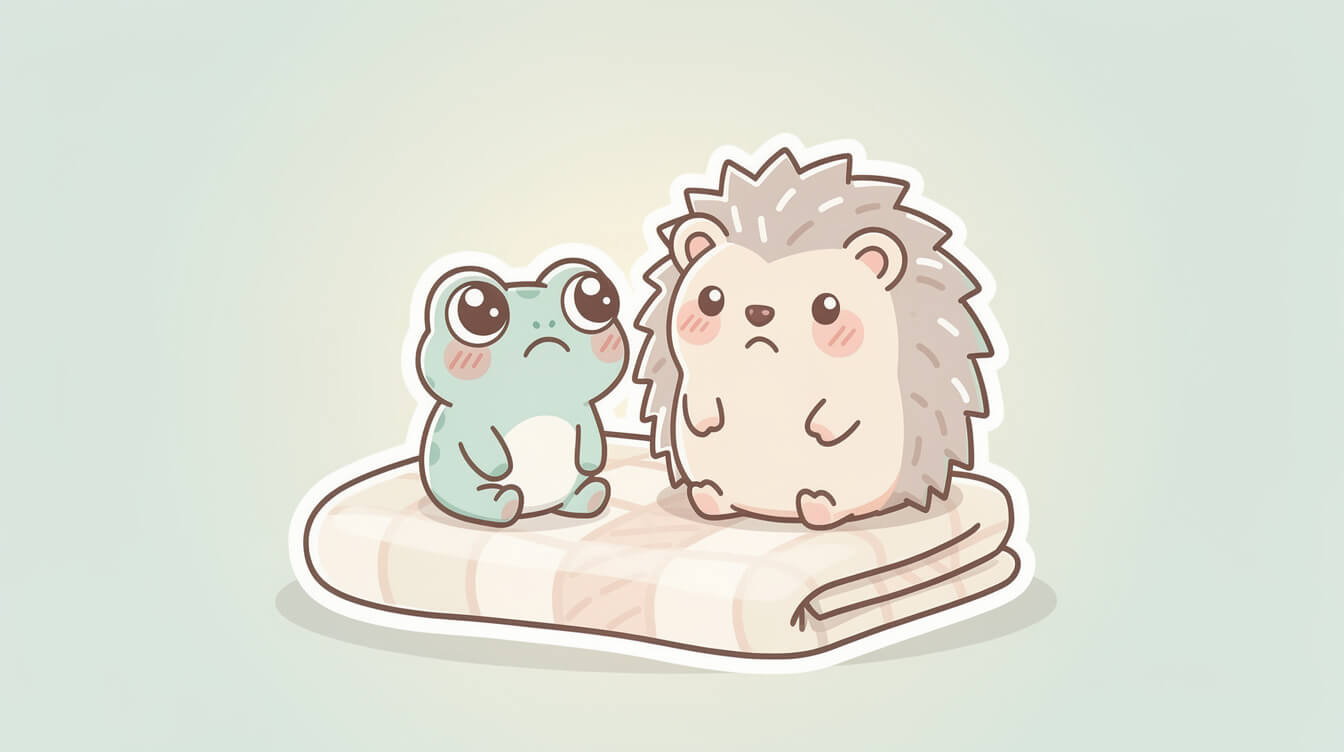
Frogs show up in this same space for related reasons, which we get into in more depth in our frog gift guide: a wide, patient mouth, forward-facing eyes, and a body built almost entirely for sitting still and being unbothered by whatever is happening around it. Different animal, same emotional job being asked of it.
The actual psychology behind why this works
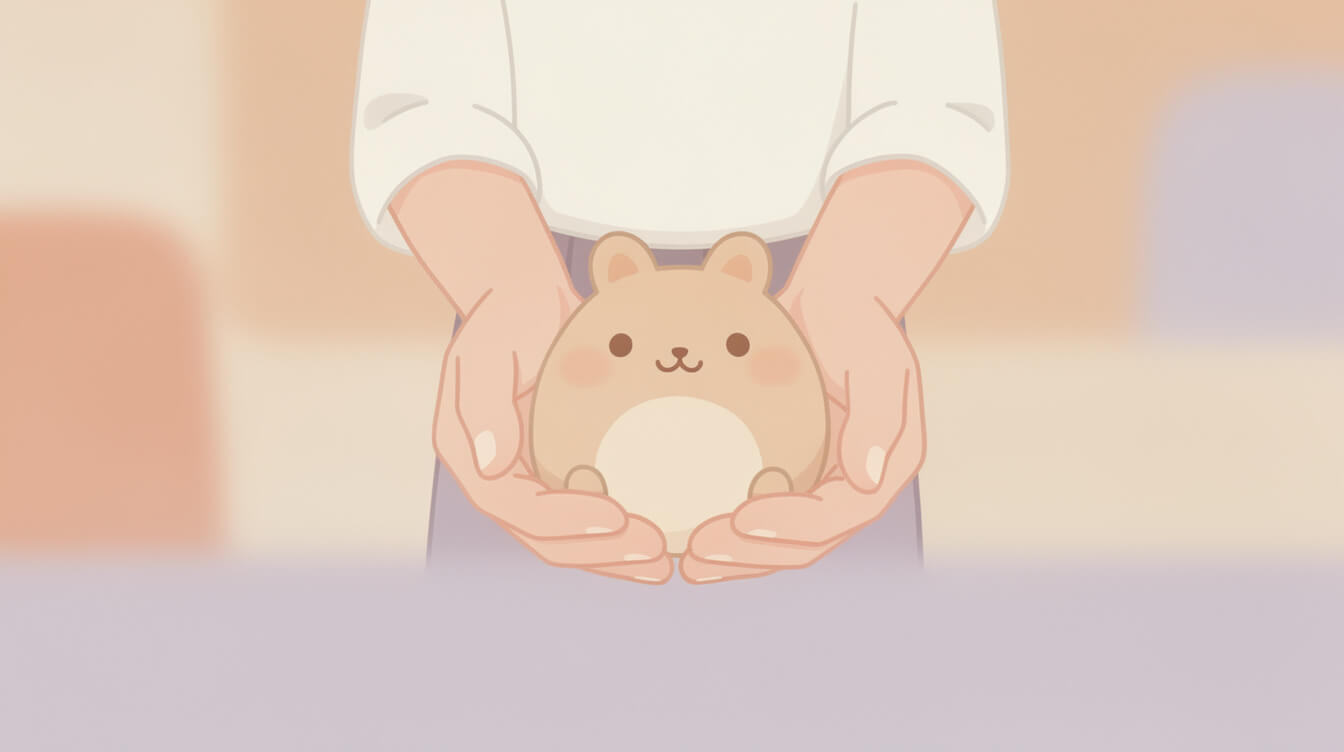
None of this is only marketing sleight of hand dressed up as science. There is real research behind why a small cute image can shift how a person feels, and even how carefully they behave afterward. Japanese researcher Hiroshi Nittono, who studies what he calls the “kawaii effect,” has found in controlled studies that looking at cute images before a task can improve focus and lead people to complete that task more carefully and gently than they otherwise would. Cute is not only pleasant to look at. It appears to nudge behavior toward being softer and more attentive, which is a strange and lovely thing for a t-shirt to be quietly doing to the person wearing it.
There is an older idea underneath this too, from psychoanalyst Donald Winnicott, about “transitional objects,” the blankets and stuffed animals young children use to feel steady when a parent steps out of the room. Adults do not actually stop needing this, we just trade the stuffed animal for a phone case, a favorite mug, or, as it turns out, a shirt with an axolotl on it that seems to say you are allowed to feel a little fragile today, and that is completely fine. Naming that need out loud, with a joke attached so it does not feel too heavy to admit, is most of the trend’s actual, lasting appeal.
It is worth being plain about one thing here: nothing in this trend claims to treat anxiety, replace a real emotional support animal, or stand in for professional care of any kind. It is a small comfort object with a sense of humor about itself, and it works precisely because it stays within that modest, honest scope instead of overreaching into anything it cannot actually deliver.
The cutemerch letter
A small good thing, once a week
One short, kind email with our coziest posts and new round animals from the shop. No spam. Unsubscribe anytime.
How to wear one so it reads as charming, not costume-y
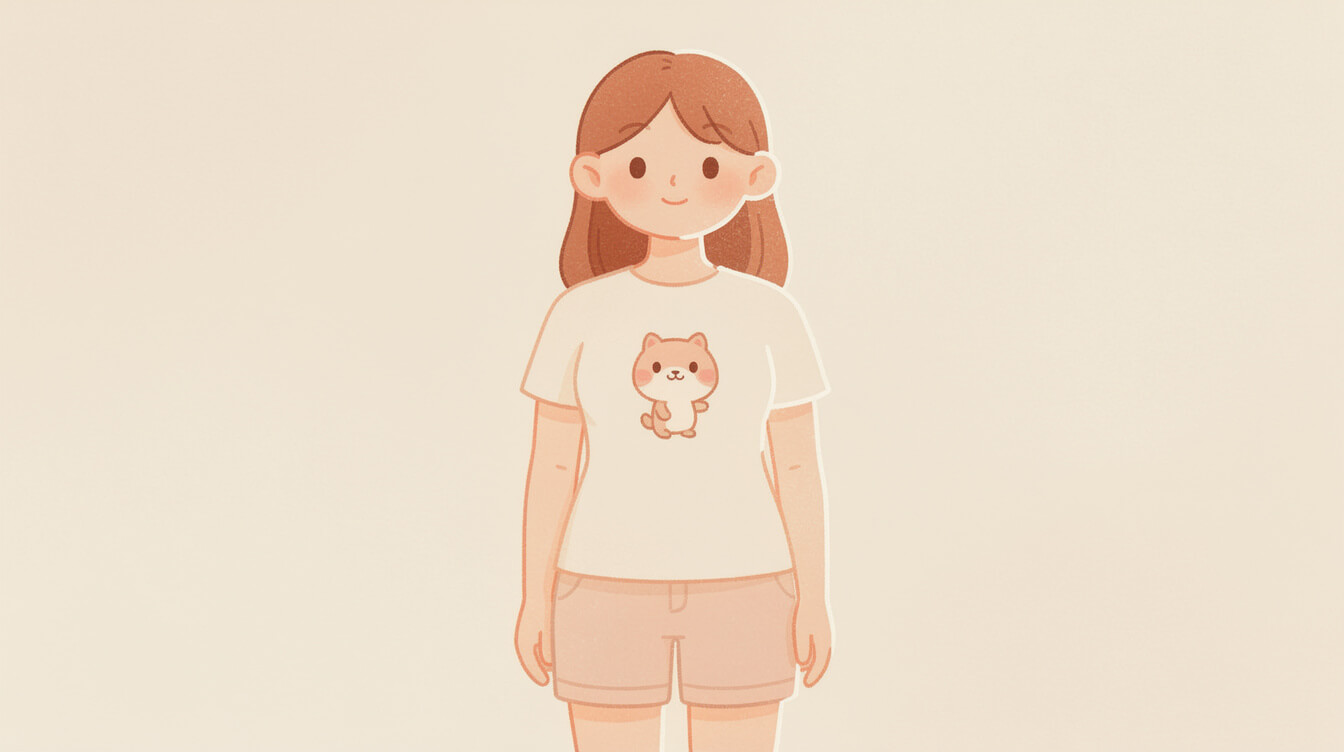
The line between “charming” and “trying too hard” comes down almost entirely to restraint everywhere else in the outfit. Let the shirt be the whole joke, and the whole point. Pair it with plain, well-fitted bottoms, keep accessories minimal, and resist the urge to stack two or three more cute things on top of it. One soft, slightly worried little animal is a complete outfit statement on its own. Three of them at once starts to read as a costume rather than a look, and the effect flips from charming to try-hard fast.
Fit matters more than most people expect going in. A shirt that runs too oversized reads as sleepwear rather than a considered outfit choice, while one that fits too tightly fights against the soft, unhurried mood the design is going for in the first place. Aim for something that sits easily on the body, the kind of shirt you could wear to run errands in and then, without changing a single thing, curl up on the couch in that same evening. That easy range is part of what makes this category of shirt genuinely useful rather than just decorative, and it pairs naturally with the same soft-everyday-basics approach we cover in our guide to wearing kawaii clothing without going full costume.
If you want to add one of these to your own rotation, our Emotional Support Axolotl shirt keeps the design simple on purpose: one soft, permanently smiling little salamander, no extra text, no clutter, made to actually hold up in the wash instead of cracking and fading after a handful of wears, the way the thin gift-shop version of this idea often does within a month.
Frequently asked questions about emotional support animal shirts
Is an emotional support animal shirt an actual certified emotional support animal?
No, and it is not trying to be. It is a soft joke with real feeling underneath it, not a medical device or a legal designation of any kind. Real emotional support animals are prescribed by licensed professionals for diagnosed conditions through a formal process, and that has nothing to do with a graphic tee, no matter how comforting the tee happens to be.
Why do these shirts usually feature the same handful of animals over and over?
Because the “emotional support” look depends on a fairly narrow, specific design language: round, soft, and a little worried-looking, without tipping into visibly stressed. Axolotls, sea bunnies, frogs, and hedgehogs all happen to fit that look naturally because of their real biology, which is why they keep showing up again and again across different brands.
Is this just a passing internet trend that will fade in a year?
The exact phrase might fade the way internet phrases eventually do, but the underlying idea, a small cute object that helps a person feel steadier, is not new and is not going anywhere. People have been carrying comfort objects for as long as there have been pockets to carry them in.
What should I look for if I want a well-made one instead of a cheap version?
Check the print quality up close for cracking or a plasticky texture, feel the weight of the fabric, and look at whether the design looks intentional rather than clipped from a generic stock template. A shirt that survives a full year of regular washes and still looks soft and legible, not cracked or faded at the edges, is doing its job twice over: once for the joke, and once for actually earning a place in your closet.
Final thoughts
The emotional support animal shirt trend is a little bit silly on purpose, and that is exactly why it works as well as it does. It gives a person permission to say “I need something soft today” without ever having to say that sentence out loud, and it hands that whole job to a tiny axolotl or a sea slug the size of a fingernail instead of asking anyone to explain themselves further. That is a small, kind piece of design when you look at it closely, and it deserves to be made well rather than cheap, printed to last rather than to fade after a season.
There is also something quietly nice about a joke that gets more true the longer you sit with it. Most internet humor is built to be disposable, funny for a week and then forgotten. This one has held on because underneath the joke is a real, ordinary human need: to feel a little less alone in a body that is having a hard day, and to have some small object nearby that seems to understand that without requiring an explanation. A shirt cannot fix a hard week. It was never trying to. It can just sit there on your back being soft and a little worried right along with you, which turns out to be more useful than it sounds.
If you end up picking one for yourself, or for a friend who has been having one of those weeks, pick the animal that actually matches how you want to feel rather than whichever one is trending hardest that month. The axolotl if you want a permanent, slightly bewildered smile along for the ride. The sea bunny if you want permission to move slower. A frog if you would rather just sit very still and let the day pass around you. None of them are doing anything dramatic. That restraint is the entire point, and it is why the trend has held up longer than most internet jokes ever do.
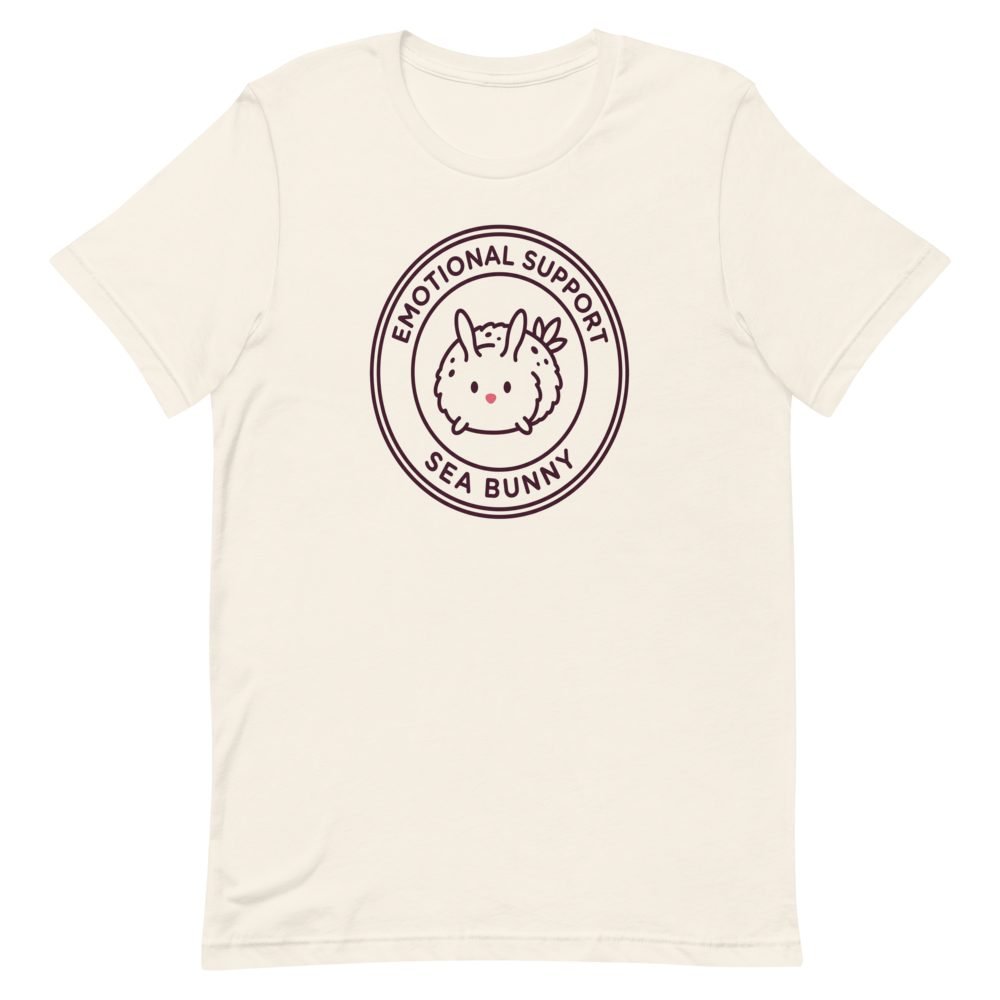
Meet the sea bunny
Soft, slow, and about the size of a fingernail in real life. A quiet little reminder that you are allowed to move slower today too.
Before you go
Want the next one in your inbox?
We write something soft every day. The best of it lands in one gentle weekly note, for you or for the friend who needs it.