What Is Cottagecore? A Cozy Guide to the Aesthetic (and How to Live It)
If you have ever saved a photo of a sunlit kitchen, a basket of warm bread, or a round little mouse in a tiny apron and felt your shoulders drop half an inch, you already understand the feeling. You just might not have a name for it. So, what is cottagecore. In the simplest terms, cottagecore is a gentle aesthetic and a soft way of living that romanticizes the quiet, homemade, close-to-nature life. Think slow mornings, hand-knit things, wildflowers on the table, and the sort of coziness that makes an ordinary Tuesday feel a little kinder.
This guide is the warm, unhurried version. We will cover where cottagecore came from, why it soothes people so deeply, and the small, low-cost ways to bring the feeling into your real life, even if you live in a fifth-floor apartment with one window and a very unromantic radiator. No cottage required. That is rather the point.
What is cottagecore, really?
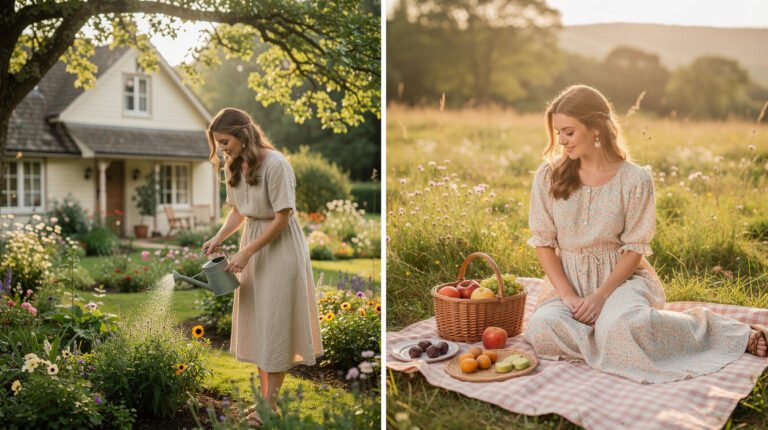
Cottagecore is a visual and emotional aesthetic built around the idealized simple life: baking, gardening, foraging, mending, and making things by hand. It borrows from pastoral and countryside imagery, soft natural light, and a color palette of cream, sage, dusty rose, honey, and faded denim blue. Picture a linen dress with a slightly muddy hem, a wicker basket of eggs, a windowsill lined with herbs, and a fat orange cat asleep in a sunbeam. That is the mood in one frame.
But cottagecore is more than a set of props. At its heart it is a longing, a gentle rebellion against everything loud, fast, and disposable. It says that a life spent tending small things, a loaf of bread, a patch of tomatoes, a friendship, a hand-me-down quilt, is a life well spent. It values the handmade over the mass-produced, the slow over the instant, and the sincere over the ironic. You do not have to churn your own butter to belong here. You only have to believe that soft, careful, homemade things are worth loving.
It is worth saying plainly that cottagecore is a fantasy, and a kind one. Real country life involves early alarms, hard weather, and aching backs. Cottagecore keeps the warmth of that life, the bread and the meadows and the mended socks, and gently sets the exhaustion aside. That is allowed. An aesthetic is a place your heart goes to rest, not a documentary.
Where cottagecore came from
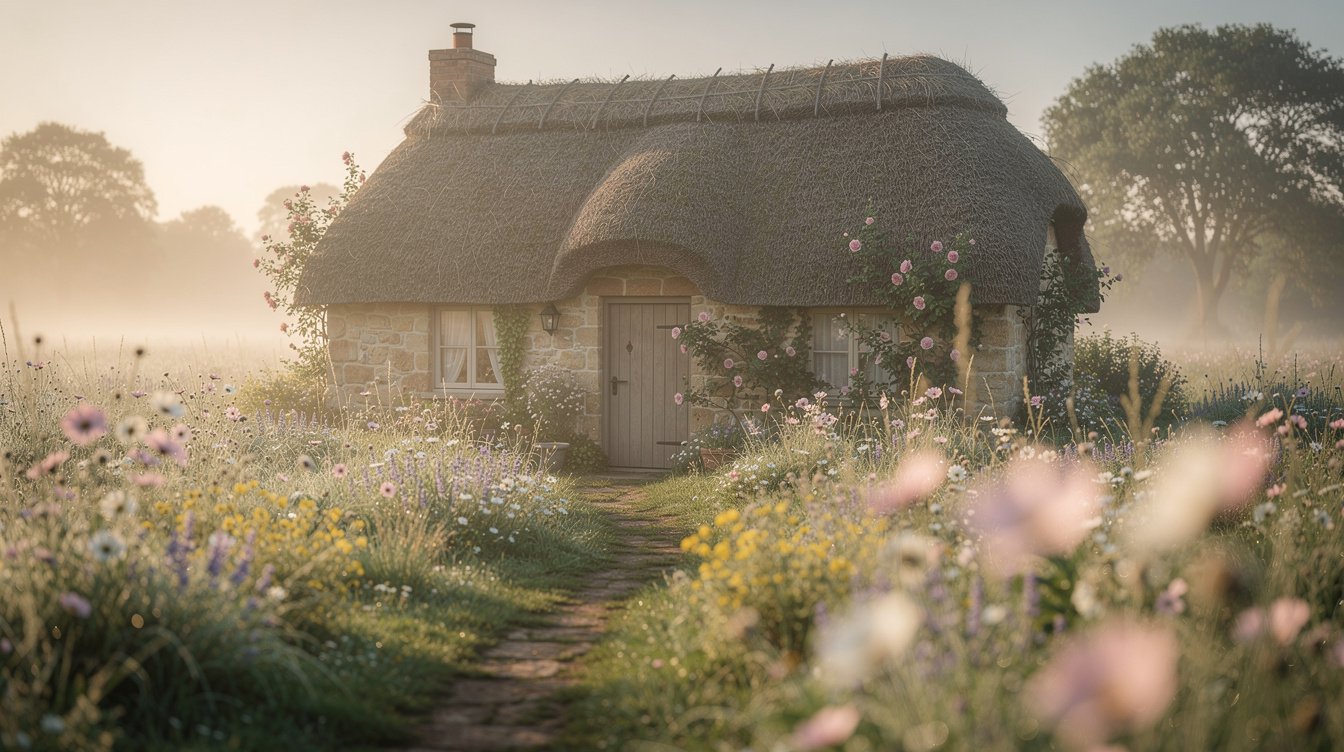
The impulse behind cottagecore is old, older than the word. Pastoral poetry, cottage gardens, the Arts and Crafts movement, and every fairy tale that begins with a little house in the woods all pull from the same well. People have been romanticizing the quiet country life for as long as cities have been loud.
The specific look and name, though, grew up online. Cottagecore took shape on Tumblr in the mid 2010s, then spread across Pinterest, Instagram, and TikTok, where mood boards of mushrooms, meadows, and freshly baked things found a huge and tender audience. It reached full bloom in 2020, when a great many people were suddenly stuck indoors and quietly aching for open fields, homemade bread, and a slower rhythm. Baking became a whole personality that year for a reason. The aesthetic gave a shape to a feeling everyone was already having.
What kept it from fading with the lockdowns was that it answered a need that did not go away. The world got fast and bright again, and the longing for slow and soft stayed exactly where it was. So cottagecore settled in for the long haul. It stopped being a trend to try on and became a lens people kept, a way of noticing the gentle, homemade parts of a day and choosing to lean toward them.
Since then it has softened into a lasting sensibility rather than a passing trend. It has cousins now, a whole family of cozy aesthetics, which we will get to. But the root is steady: a wish for a life that feels handmade, unhurried, and warm.

Why cottagecore feels so good
There is a real reason cottagecore lands so gently on the nervous system, and it is worth understanding, because it tells you how to actually feel more of it. The aesthetic is not just nice to look at. It quietly nudges you toward the handful of things that reliably calm a person down, and once you see the pattern, you can reach for the feeling on purpose instead of waiting for a pretty photo to hand it to you.
Most modern days are optimized. They are fast, screen-lit, and full of small urgencies. Cottagecore points in the exact opposite direction. It celebrates the unoptimized: the bread that takes all day, the walk with no destination, the sweater darned by hand instead of thrown away. Doing something slow and useful with your hands is a quiet form of rest, and the aesthetic is really a permission slip to do more of it.
It is also deeply forgiving. Cottagecore loves the imperfect. A wobbly loaf, a lopsided knit, a garden that is more enthusiasm than order, these are not failures here, they are the whole charm. In a culture that asks everything to be polished and productive, an aesthetic that adores the slightly wonky is a genuine relief. It tells you that made with care beats made perfectly, every single time.
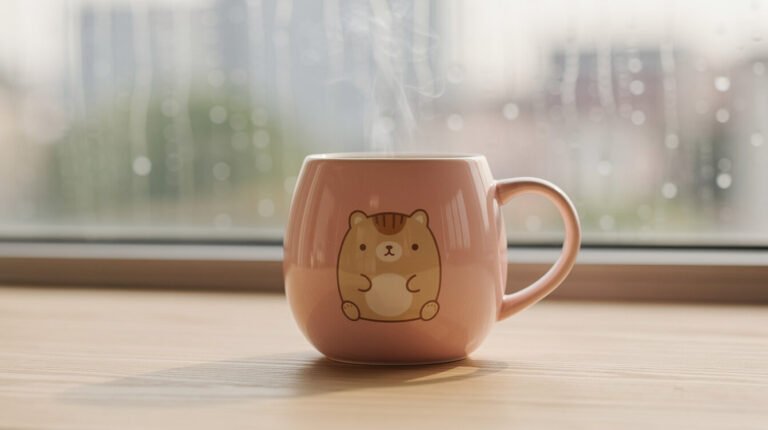
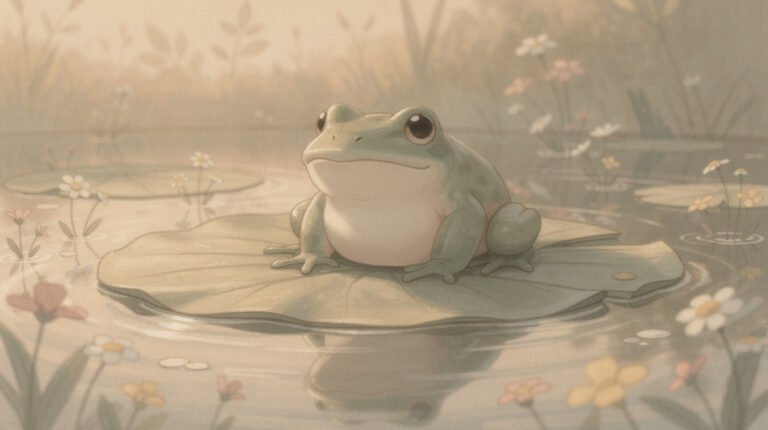
And underneath all of it is warmth. Cottagecore is domestic without being about chores, nostalgic without being sad, and pretty without being cold. It is the feeling of a friend putting the kettle on. That is why a single soft object, a round animal on a mug, a cozy print on a tote, can carry the whole mood. The feeling was always the point. The props are just how we hold it.
How to bring cottagecore into an ordinary day
Here is the good news, and the reason we love this aesthetic so much. You do not need a cottage, a garden, or a single acre. Cottagecore is a set of small, doable practices far more than it is a shopping list. Start with any one of these.
- Make one slow thing. Bake bread, brew loose-leaf tea in an actual pot, simmer something on the stove. The slowness is the point, not the recipe.
- Bring a little nature in. A single sprig of eucalyptus in a jam jar, a few foraged leaves, a pot of basil on the sill. It costs almost nothing and changes the whole feel of a room.
- Mend instead of replace. Sew the button back on. Darn the sock. There is a real, old-fashioned satisfaction in keeping a thing alive with your own hands.
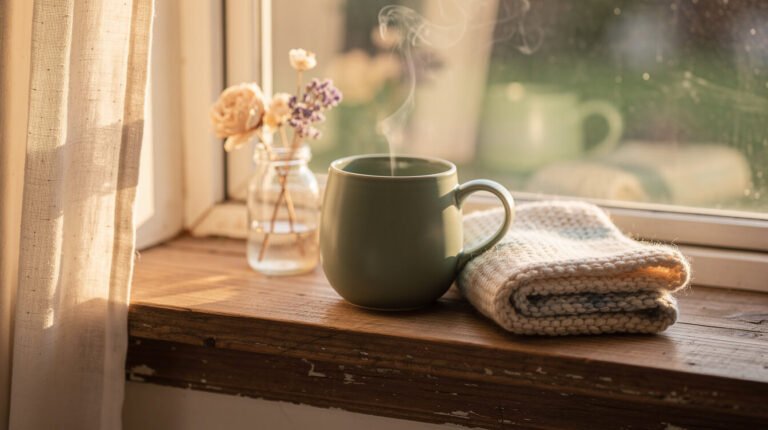
- Soften your light. Swap the harsh overhead bulb for a warm lamp, light a beeswax candle, open the curtains in the morning and just notice the light.
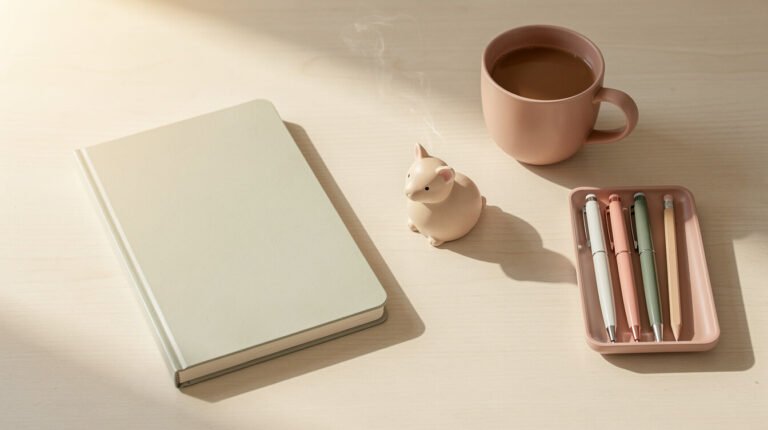
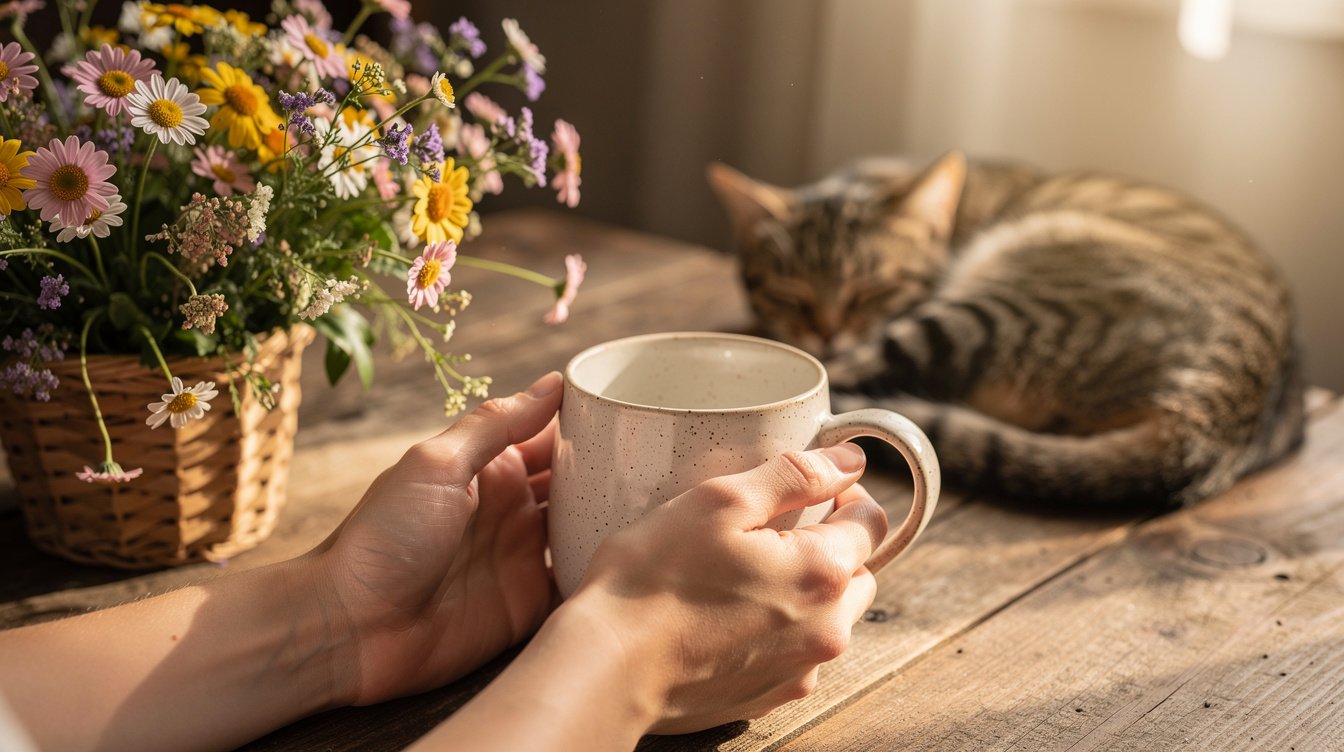
- Keep one cozy object close. A warm mug you love, a soft knit throw, a little round-animal friend on your desk. One sincere, well-made object does more than a whole cart of cheap ones.
That last one is where a brand like ours quietly fits in. We make cozy, cute things for exactly this feeling, a round animal on a good tee, a soft print on a mug that survives the dishwasher, the sort of small good thing that makes a gray desk a little kinder. If you would like a little cottagecore comfort for your own everyday, you are welcome to have a gentle look around our shop. No rush, no pressure. Cute is meant to be a treat, not a chore.
The whole practice comes down to one shift: do a few things slowly, on purpose, and with a bit of tenderness. That is cottagecore in a real, un-photogenic life, and it works just as well in a studio apartment as in a farmhouse.
Cottagecore in a small space, on a small budget
Most cottagecore guides quietly assume you have a farmhouse kitchen and a garden to lose an afternoon in. Most of us do not, so here is the honest, renter-friendly version. Cottagecore is one of the most affordable aesthetics there is, precisely because it prizes the old, the handmade, and the imperfect over anything new and shiny. Your budget is not the obstacle. If anything, a little thrift is on theme.
Start with what you already own and simply arrange it more gently. A stack of books, a jar of dried flowers, and a warm lamp on a windowsill is a whole cottagecore corner, and it cost you nothing. Charity shops and secondhand shelves are a treasure map here: mismatched teacups, a chipped enamel pot, a worn wooden spoon, a soft old quilt. The wear is the welcome, not a flaw to apologize for. A single thrifted vase of grocery-store flowers does more for a room than any amount of new decor.
If you have no outdoor space at all, grow the smallest possible thing. A jar of sprouting seeds on the counter, a supermarket herb pot kept alive on the sill, a single trailing plant in a mug. Tending one green thing is enough to give you the daily, hands-in-the-soil feeling that sits at the center of all this. And when you do want to add something new, add one thing, chosen with care, and let it earn its place. One soft, well-made object you genuinely love will always outshine a cart full of cheap approximations. That is the entire cottagecore money philosophy in a sentence: fewer things, kept longer, loved more.
Cottagecore, kawaii, and cozy: gentle cousins
Cottagecore has a big, soft-hearted family, and the aesthetics blur into one another in lovely ways. Knowing the differences helps you find exactly the flavor of cozy you are after.
Cottagecore leans rural, romantic, and handmade: meadows, bread, linen, and mushrooms. Kawaii, the Japanese culture of cuteness, leans bright, round, and charmingly simple: big eyes, pastel candy colors, and small friendly characters that make you smile on sight. Cozy or hygge style leans indoor and comforting: blankets, warm drinks, soft socks, and a lamp-lit evening. And fairycore is cottagecore’s more whimsical sibling, with a little more sparkle, moss, and magic in the woods.
You do not have to pick just one. Most of us live in the warm overlap, a round kawaii animal on a very cottagecore mug, sipped under a hygge blanket. The common thread across the whole family is the same one that runs through everything we have talked about: a preference for soft over sharp, sincere over ironic, and warm over cool. If a thing makes you feel gently looked after, it belongs in your version of cozy, whatever label it happens to wear.
Cottagecore gift ideas for a friend who saves every cozy pin
You almost certainly know someone whose whole online world is mushrooms, meadows, and soft light. Cottagecore people are a joy to give to, because the aesthetic is built out of small, affordable, deeply thoughtful things. A few ideas that always land:
- A warm mug and a nice tea. The starter kit for a hundred slow mornings. Pair a cozy mug with a loose-leaf blend and you have given someone a small daily ritual.
- Something handmade or hand-feeling. A knit, a candle, a pressed-flower card. The point is that it feels made, not manufactured.
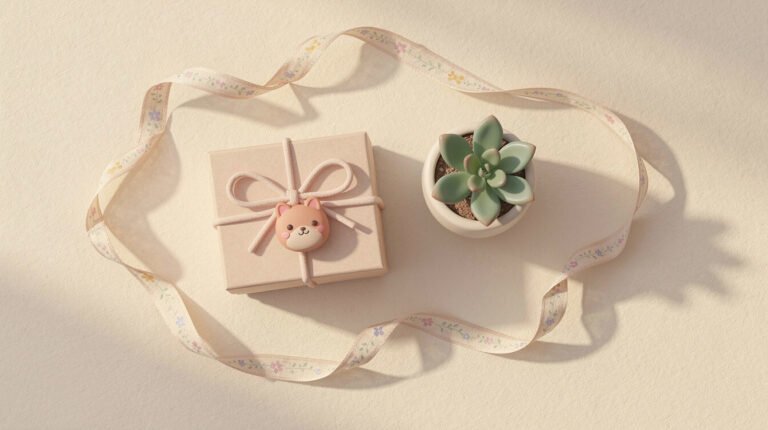
- A soft, cute everyday object. A round-animal tee, a cozy tote for the farmers market, a little character to sit on their desk and keep them company. Cute that is also made well, so it lasts past the first wash.
- A tiny bit of nature. A packet of wildflower seeds, a small herb plant, a jar of local honey. Cottagecore adores a gift that grows or nourishes.
- A slow experience. A bread-making class, a walk somewhere green, an afternoon with nowhere to be. Time is the most cottagecore gift there is.
The trick with any of these is sincerity. This crowd can spot generic gift-shop filler from a mile off, and they are quietly allergic to it. Choose the thing that made you go soft when you saw it, the one you would want to keep for yourself, and give that. It will land.
What is cottagecore: frequently asked questions
Is cottagecore only about fashion?
Not at all. Fashion is one visible slice of it, the linen dresses and the knit cardigans, but cottagecore runs through food, home, hobbies, and mood just as much. You can live it entirely through baking, gardening, mending, and slow mornings without changing a single thing in your closet.
Do I need to live in the countryside to enjoy cottagecore?
No, and this is the best-kept secret of the whole aesthetic. Cottagecore is a feeling you can grow anywhere, on a balcony, at a desk, in one warm corner of a small flat. A pot of herbs, a soft lamp, a slow cup of tea, and one cozy object will get you most of the way there.
What colors and textures say cottagecore?
Soft, natural, and a little faded. Cream, sage green, dusty rose, honey, and denim blue, paired with linen, wool, wicker, and worn wood. If a color looks like it was gently sun-bleached and a texture looks like you could touch it, you are in the right place.
Is cottagecore the same as kawaii?
They are close cousins, not twins. Kawaii is the culture of cuteness, bright and round and character-led, while cottagecore is rural, romantic, and handmade. They overlap beautifully, a round cute animal sits very happily in a cottagecore scene, but the roots are different.
Is cottagecore only for a certain age or gender?
Genuinely not. Cottagecore is about warmth, slowness, and making things by hand, and none of that belongs to any one group. Teenagers, grandparents, and everyone in between find their way to it, and it looks a little different in each life, which is part of the charm. Cozy is for everybody, at every age. If the feeling calls to you, it is yours to keep.
How do I start with cottagecore today, for free?
Pick one slow thing and do it on purpose. Make tea in a pot instead of a rush, put a leaf in a jar on the sill, open the curtains and notice the morning light. Cottagecore is less about buying and more about slowing down, and the slowing down costs nothing.
A soft place to land
So, to answer the question we started with one more time: cottagecore is the gentle art of loving the slow, handmade, close-to-nature life, and the good news is that you can borrow its warmth in the middle of a very modern, very busy day. Bake the bread or do not. Grow one herb. Keep one cozy thing on your desk. Let a few ordinary moments be soft on purpose.
That is really all any of us are after, a day that feels a little kinder than it needed to. If a small, well-made cute thing would help yours along, we would love to be part of it. Come see the cozy things we make whenever you feel like it, and in the meantime, go put the kettle on. You have earned the slow version of this afternoon.