Cute Tote Bags for Everyday: What Actually Makes One Last
A cute tote bag is easy to find. A cute tote bag that is still your bag in October, after the farmers market and the library run and the time you shoved a wet umbrella in with your laptop, is a different question. If you are shopping for cute tote bags for everyday use, the print is only half the decision. The other half is boring on purpose: fabric weight, stitching, strap width, the stuff nobody photographs for the collection page.
We think about this a lot, because we care about cute things that are also made well, and we would rather you buy a tote that earns its spot in your rotation than one that looks perfect in a flat lay and sad by Thanksgiving. So this is less a shopping list and more a way to look at any tote, cute or otherwise, before it comes home with you.
For an everyday tote, the real question isn’t “is it cute”
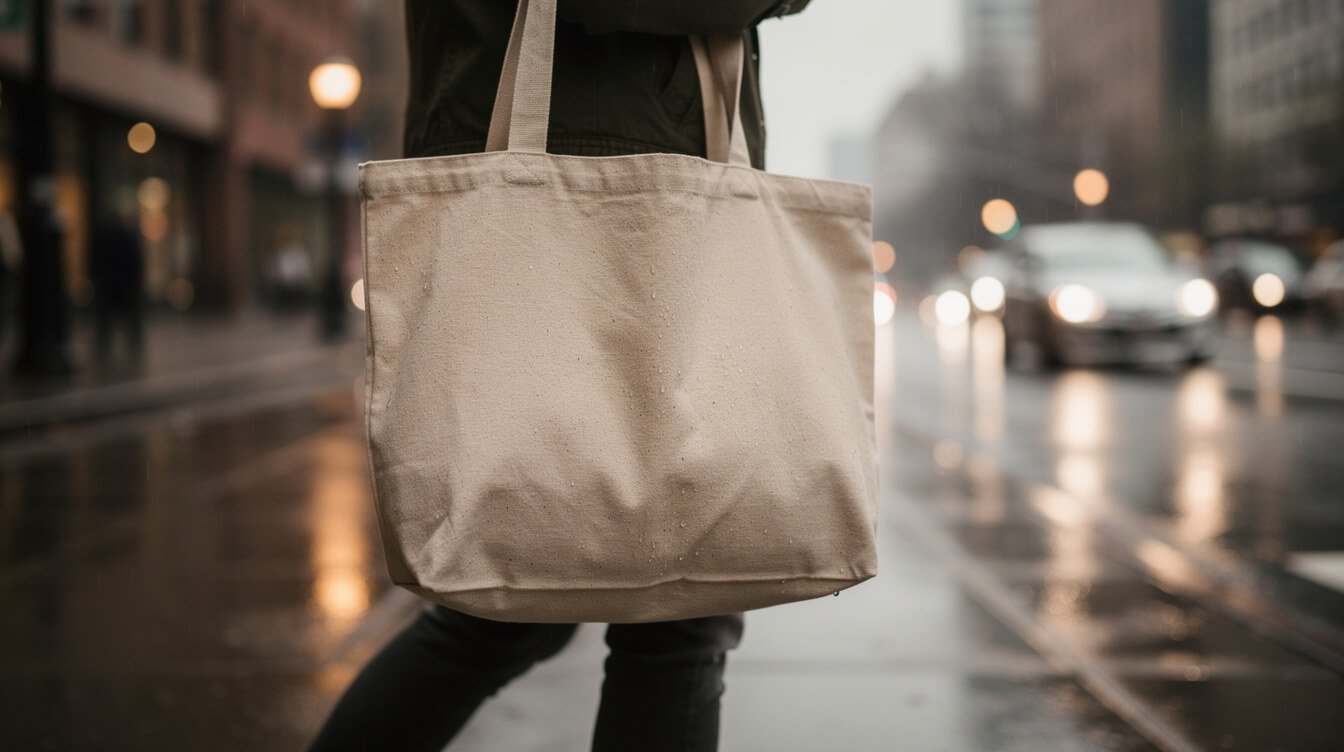
Here is the honest version of what “everyday” means for a bag: it gets set down on wet sidewalks, thrown over the back of a chair, packed tighter than it was designed for, and left in a car in July. A tote that only has to be cute in photos never has to survive any of that. A tote you actually use, every single day, without thinking about it, has to survive all of it at once.
That is the whole shift in how to shop for one. Instead of asking whether a design makes you smile (it will, that is the easy part, cute is not the hard part), ask whether the bag underneath the design was built for repetition. A tote that gets used once for a coffee run and photographed for a moodboard has a different job than one that carries your laptop, your lunch, and a library book five days a week. Most of what follows is how to tell the difference before you buy, not after your third wash.
Fabric weight and weave: what to actually check
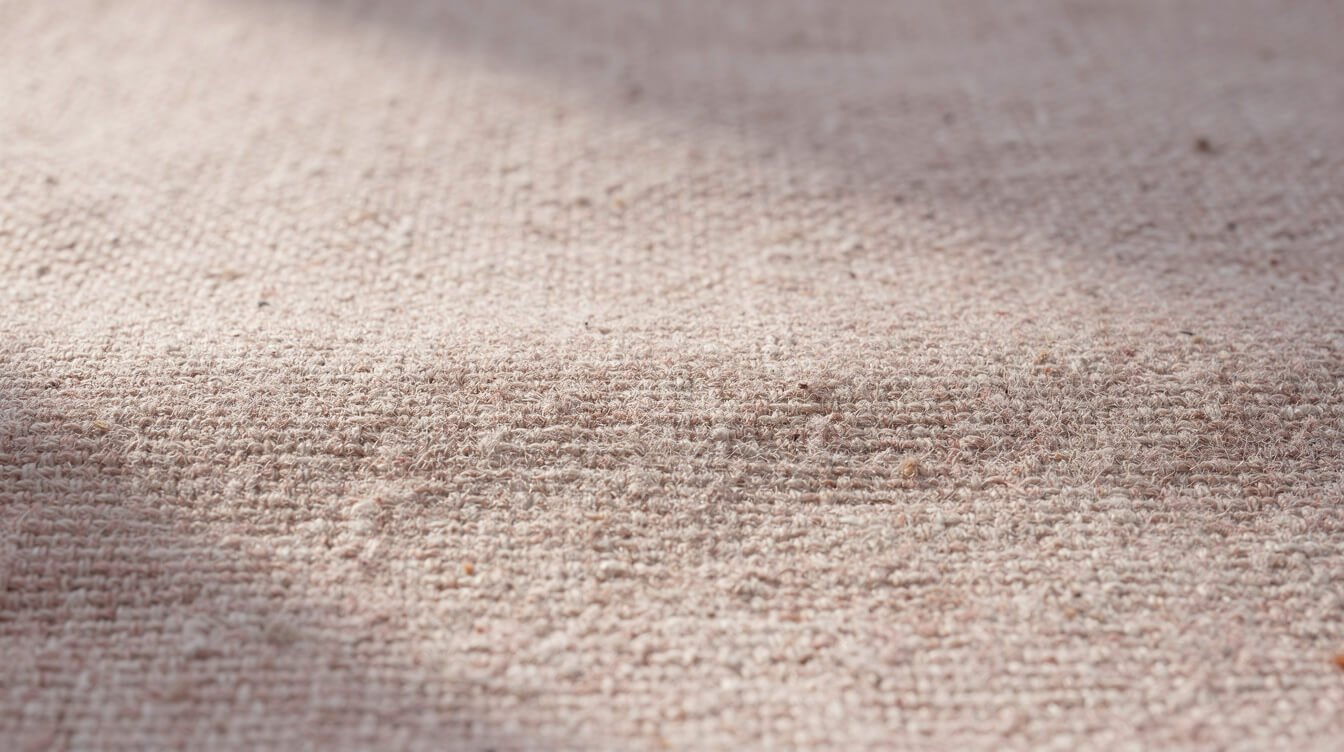
Cotton canvas is the standard for a reason, but “canvas” covers a wide range. Weight is usually listed in ounces per square yard, and for a bag you plan to lean on daily, you want something in the 10 to 12oz range. Anything much lighter starts to feel more like a tote-shaped tissue, fine for a single trip, not for a Tuesday-through-Sunday kind of life.
The weave matters almost as much as the weight. A tight, even weave resists stretching and sagging in a way a loose one cannot, no matter how heavy the fabric is on paper. You can often tell by holding it up to light: if you can see daylight easily through the gaps, that bag is going to bag out (no pun intended, mostly) within a few weeks of real use. A tightly woven mid-weight canvas will hold its shape and keep a printed design crisp far longer than a heavier but loosely woven one.
If the listing mentions the fabric at all, that is a good sign. If a shop cannot tell you what the bag is made of beyond “cute cotton tote,” that is worth noticing too.
Stitching, straps, and the parts that fail first
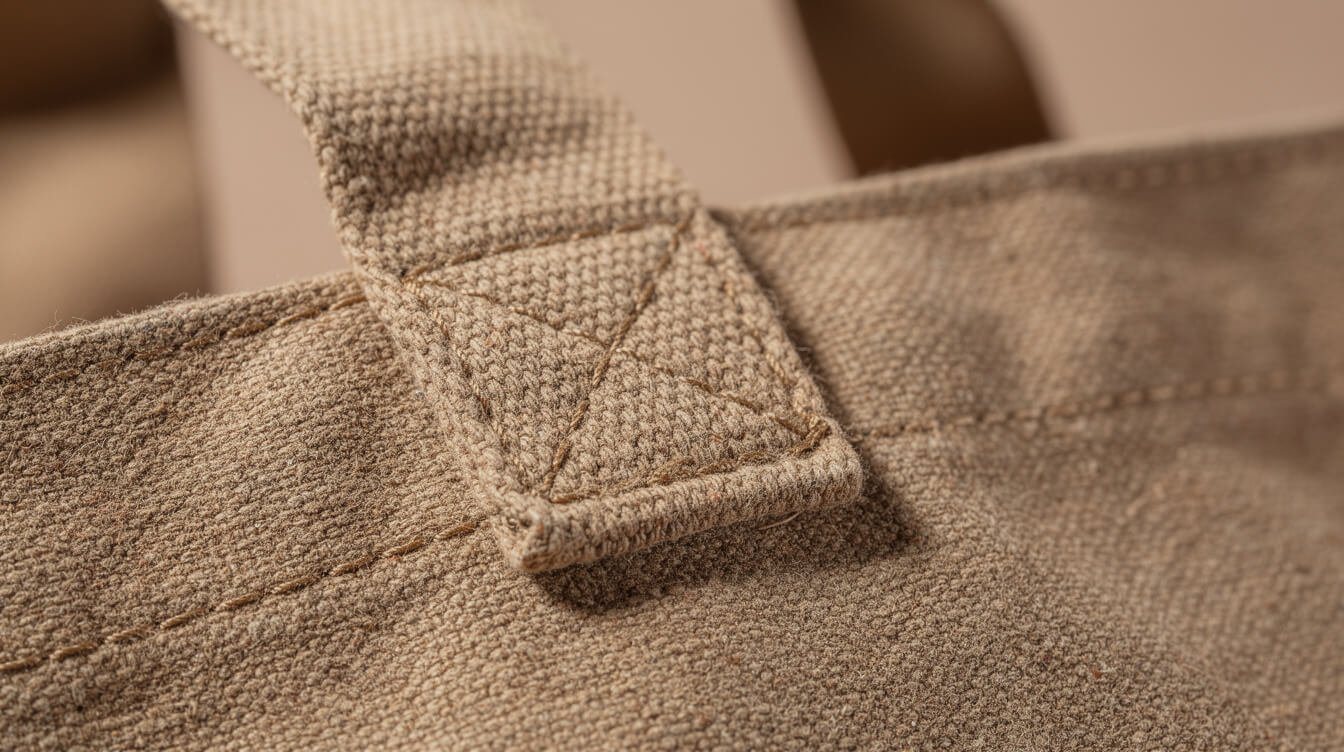
If a cute everyday tote is ever going to fail you, it will almost always fail at the same three spots: where the strap meets the body, the bottom seam, and any zipper or clasp. Everything else on a tote is basically just fabric, and fabric rarely tears on its own. Stress points do.
- Strap attachment: look for straps that are stitched into a wider reinforced panel, not just tacked on with a single seam. Box-stitching (a small square or rectangle of stitches, sometimes with an X through it) at the strap join is the single best sign a tote was built to be carried heavy, every day, for a while.
- Bottom seam: a flat, gusseted bottom (one that actually gives the bag a rectangular base) distributes weight far better than a bag that is just two flat panels sewn together at the edges. It also means the bag stands on its own instead of collapsing sideways every time you set it down.
- Strap length and width: a strap under an inch wide will dig into your shoulder faster than you would expect once there is a laptop in the mix. Slightly wider straps, or straps with a bit of structure to them, wear better over months of actual carrying.
None of this is glamorous. It is also the entire difference between a bag that is still around next spring and one that is not.
Size and pockets: what an everyday tote actually needs
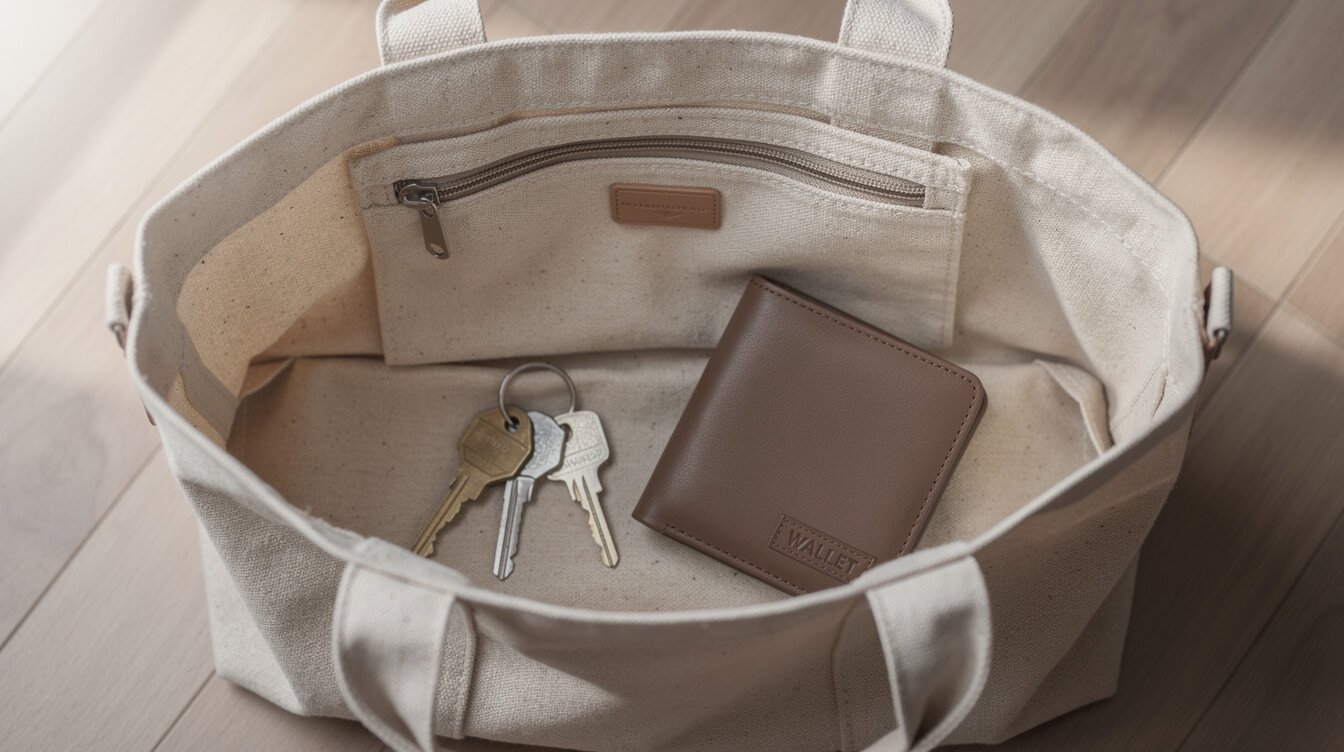
Most oversized “cute” totes are sized for a photo, not for a body. Before you fall for one, picture what actually goes into your bag on a normal day: wallet, keys, phone, maybe a water bottle and a folder or a laptop. Then check the tote’s actual dimensions against that list, not against how roomy it looks in a lifestyle shot.
A tote with no interior structure at all will let everything you own settle into a pile at the bottom, which means digging for your keys every single time. An interior pocket, even one simple zippered pocket, solves most of that problem on its own. It does not need to be complicated. It just needs to exist.
If you carry a laptop regularly, a flat interior sleeve pocket (even an unpadded one) keeps the weight distributed evenly across the bottom instead of pulling the whole bag to one side, which is its own quiet contributor to strap wear over time.
A cute print doesn’t have to mean a fragile bag
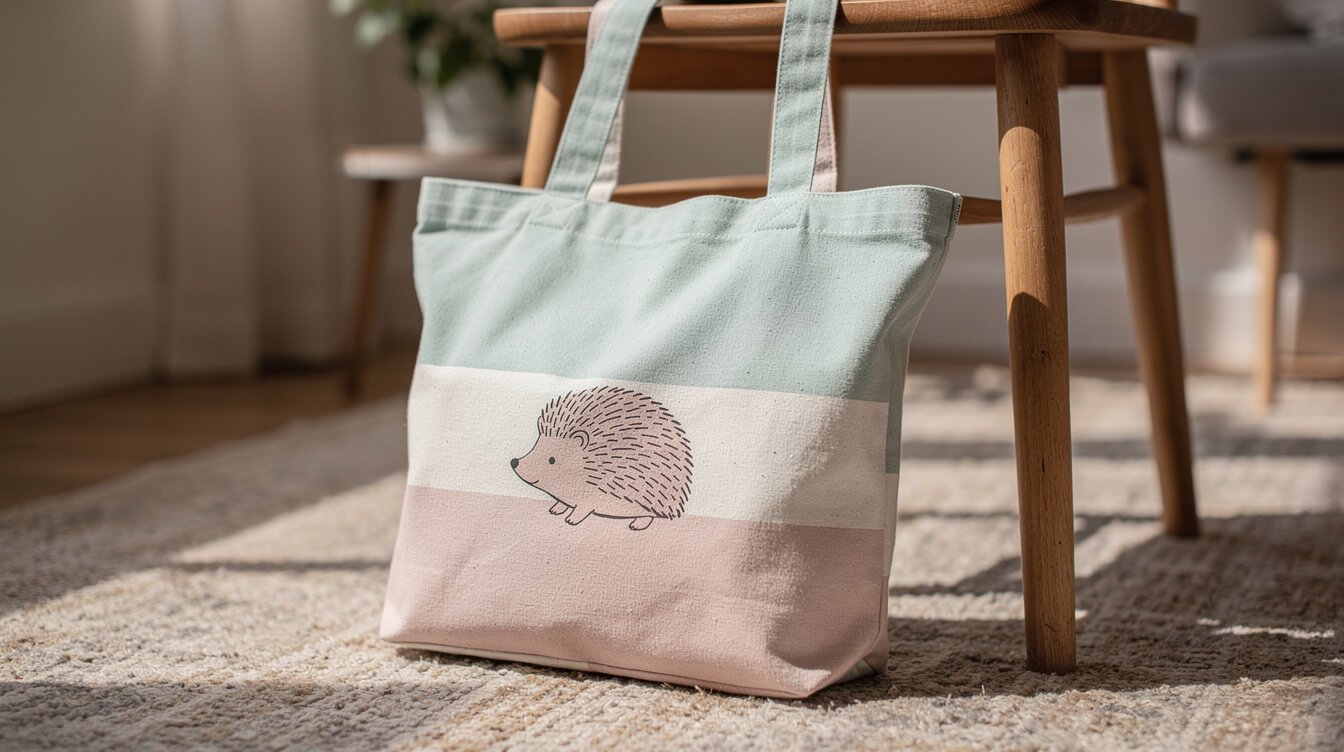
There is a myth that a heavily printed or graphic tote is automatically the more delicate choice, something to save for good instead of using daily. That is only true when the print is the weak point instead of an addition to a well-built bag. A design printed directly onto a sturdy, tightly woven canvas, with proper curing, holds up to normal wear just as well as a plain undyed one. The print is not what fails. A thin base fabric underneath a print is what fails.
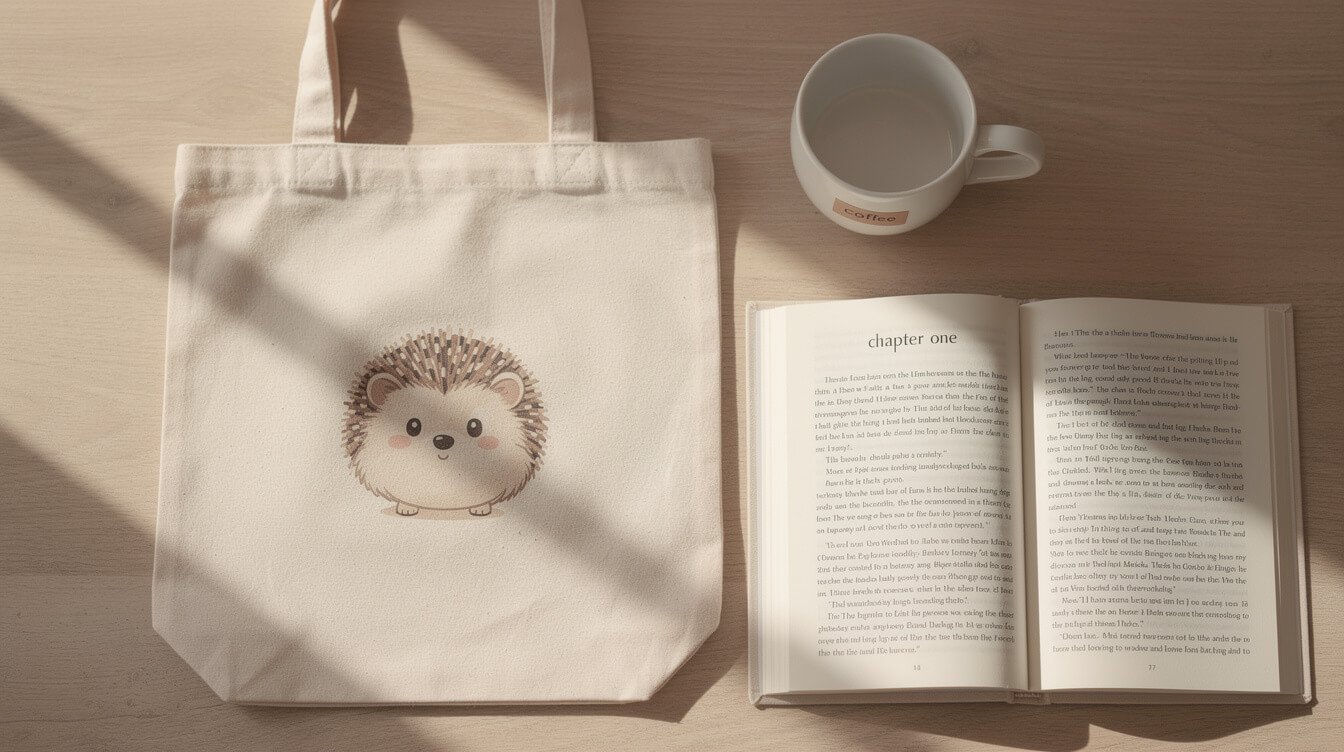
This is one reason we think about materials the way we do across everything we make: a round, unbothered little animal on the front is the fun part, but it should sit on the same weight and weave of fabric we would use for something plain, because a design you love should not come with an asterisk about how carefully you have to treat it. Cute first, but built to actually be used, not just admired.
So if you find a tote with a print you genuinely love, do not talk yourself out of it because it is graphic instead of plain. Just run it through the same fabric and stitching checks above. The print is not the risk. The bag underneath it is.
Washing and caring for a printed canvas tote
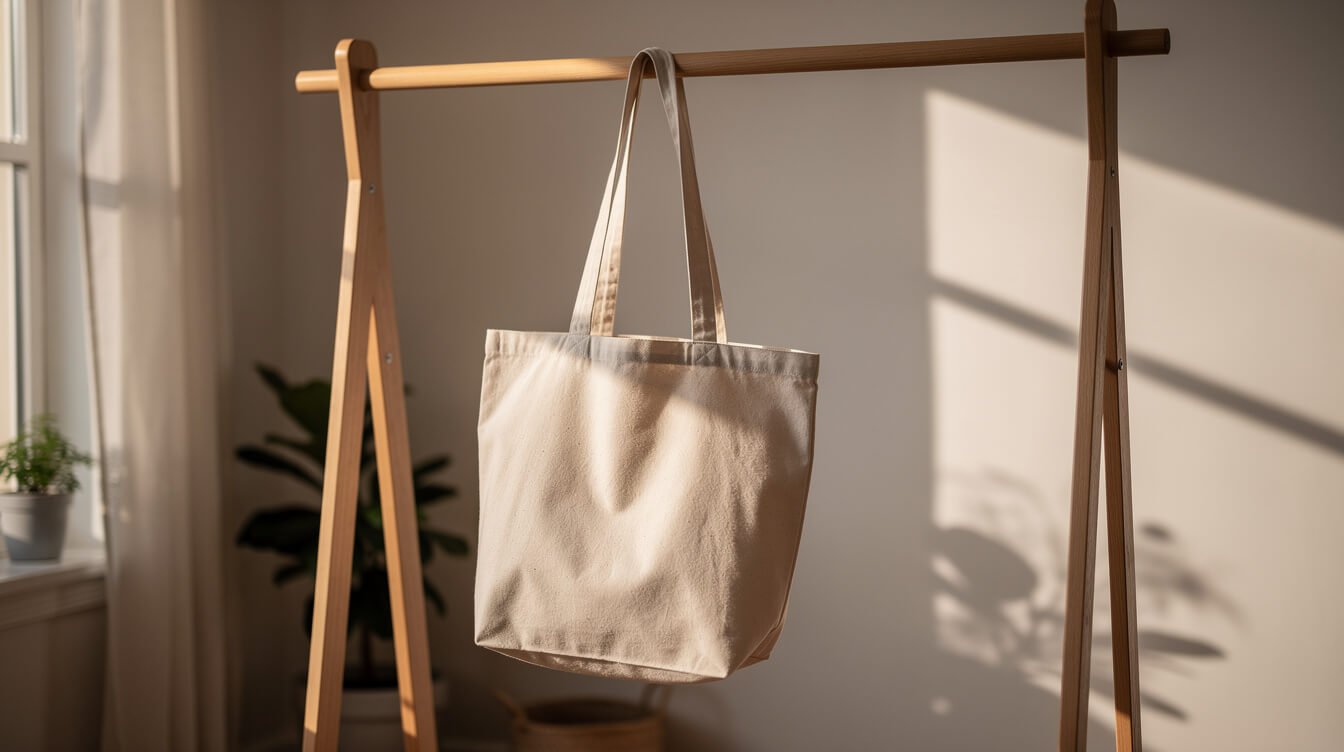
Most printed canvas totes last longest with cold water, either by hand or on a gentle machine cycle inside a pillowcase or mesh bag to cut down on friction against the print. Skip the dryer. Heat is the single fastest way to crack or fade a printed design, far more than normal daily wear ever will be. Let it air dry flat or hung by the bottom, not the straps, so the wet weight does not stretch the strap seams while everything is still damp and more vulnerable.
Spot cleaning covers most day-to-day messes, a coffee splash, a smudge from a grocery bag, without needing a full wash at all. Saving full washes for when the bag actually needs one, rather than a weekly habit, is the single easiest way to add months to how long a print stays sharp.
Building a small rotation instead of one bag that does everything
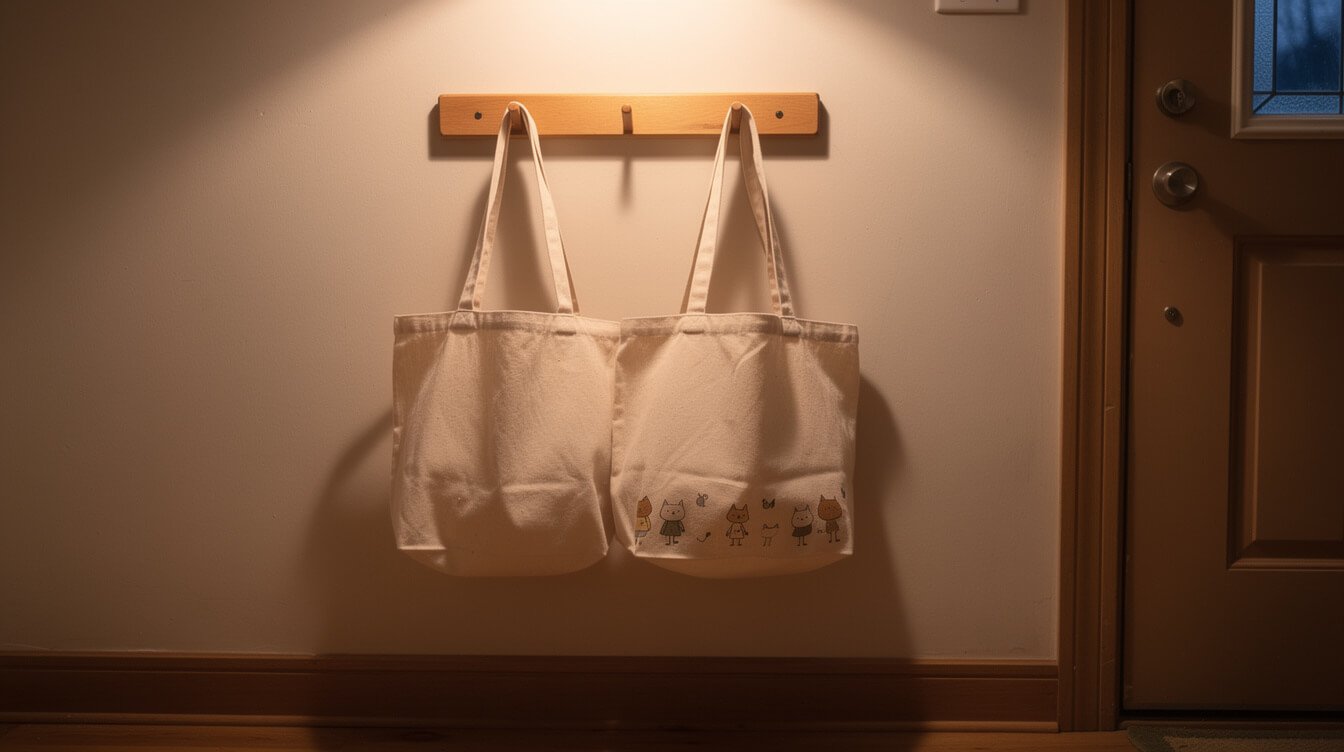
One underrated fix for “my favorite tote wore out fast” is not buying a tougher single bag, it is buying two decent ones and letting them trade off. A tote that rests for a day or two between uses keeps its shape and stitching far longer than one that is stuffed, emptied, and stuffed again without a break, the same way shoes last longer in rotation than worn every day back to back.
It also solves the actual problem people run into with a single all-purpose tote: one bag for the farmers market, one for the office, one that lives by the door for errands. None of them need to be precious. They just need to be built well enough that switching between them is a comfort, not a compromise.
Open top, zip top, and what each is actually for
An open-top tote is the classic shape for a reason, easy to load, easy to grab from, and it looks right slouched over a shoulder. It is also an open invitation for your phone to slide out on a crowded train, or for rain to find its way straight down onto whatever is on top. For a bag that mostly lives at home, in the car, or on short walkable errands, that trade-off barely matters.
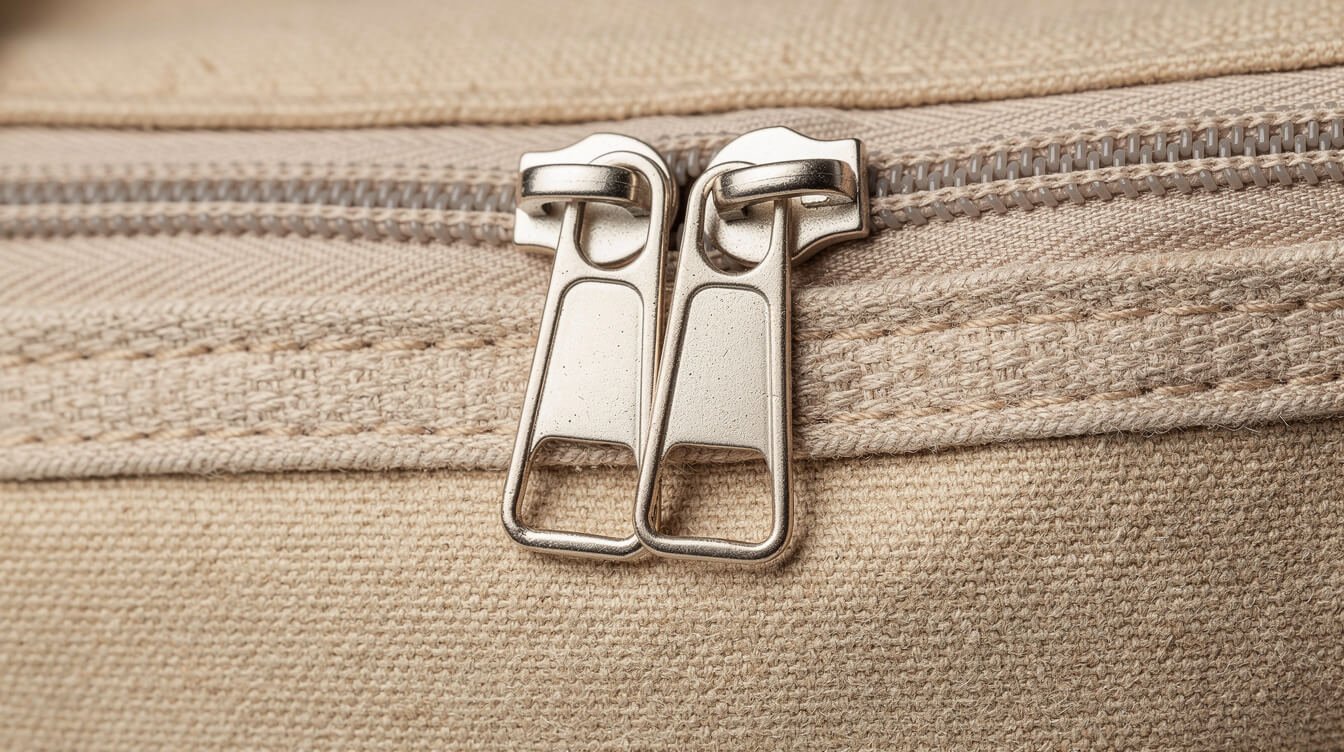
A zip-top or a magnetic snap closure earns its keep the moment your everyday actually includes public transit, a bike, a stroller, or weather you cannot control. It costs a little bit of the effortless, slouchy look, but it buys you the ability to tip the bag on its side without a small landslide. Some totes split the difference with an interior zip pocket for the one or two things you truly cannot lose, while leaving the main compartment open for speed. If you are choosing between two totes that are otherwise equal on fabric and stitching, let your actual commute decide this one, not the photo.
One more small thing worth checking: how the zipper itself is attached. A zipper sewn directly into thin fabric with no backing tape will start to pucker and strain within a few months of daily opening and closing. A zipper set into a proper fabric tape, the way it would be on a jacket, holds its shape for years instead of months.
Frequently asked questions
How much weight can a canvas tote actually hold?
A well-built 10 to 12oz canvas tote with reinforced strap stitching can comfortably carry a laptop, books, and groceries, generally somewhere in the range of 15 to 20 pounds, without stressing the seams. Past that, it is less about the fabric and more about how the straps are attached, which is why the stitching checks above matter more than the fabric weight alone.
Is a cotton tote or a canvas tote better for everyday use?
“Canvas” is technically a type of cotton weave, just a heavier and tighter one than the thin cotton used for lightweight totes or produce bags. For daily use, canvas is almost always the better choice. Lightweight cotton totes are lovely for a single trip or as a fold-up spare, not as the one bag doing all the work.
Will a printed design fade with regular use?
Some fading is normal over a long life of washing and sun exposure, the same as any printed fabric. Cold water, air drying, and avoiding the dryer slow that process down significantly. A print on a properly cured, quality base fabric will hold its color and edges far longer than most people expect.
What size tote is best for daily carry?
Somewhere around 15 by 16 inches is the sweet spot for most people, roomy enough for a laptop and the day’s essentials, without becoming so oversized that it invites you to overpack it. Measure against what you actually carry on a normal day rather than shopping by how large the bag looks in photos.
Do I need a zip top for an everyday tote?
Not always. If your day is mostly home, car, and short walkable errands, an open top is fine and easier to use. If your day includes public transit, a bike, weather, or a bag that gets set down a lot in crowded places, a zip top or at least an interior zip pocket for essentials is worth the small loss of that slouchy open-tote look.
Are cheaper canvas totes worth buying at all?
They can be, for the right job. A thin, inexpensive tote is genuinely useful as a spare for grocery runs, travel packing, or lending to a friend without a second thought. The mistake is expecting that same bag to also be your one everyday carry. Save the fabric and stitching checks above for the bag you actually want to last, and let the inexpensive ones be exactly what they are, disposable-adjacent and fine with that.
Final thoughts
A cute tote bag and a durable one are not competing categories, they just require you to look a little past the print. Check the fabric weight, look for reinforced strap stitching and a gusseted bottom, size it to what you actually carry, and treat washing as an occasional careful thing rather than a weekly habit. Do that, and there is no reason the tote you fell for because of a round little animal on the front cannot also be the one you are still reaching for next year.
If you want to see what that looks like in practice, have a look at what’s in the shop right now, or read our guide on what actually makes a tote bag design cute instead of just busy if you are still deciding on a print.