What goblincore is, and why it counts as cute
Goblincore is the aesthetic of loving the parts of nature that nobody puts on a postcard. Moss on a damp garden wall. A snail crossing a sidewalk at its own unhurried pace. A cluster of small brown mushrooms pushing up through leaf litter after rain. A coat pocket holding one acorn, one flat grey pebble, and one genuinely good button. If that list made you feel something, you already understand goblincore better than most of the pages currently trying to explain it to you.
We write about cute things for a living, so here is the argument this post is going to make. Goblincore is not the opposite of cute. It is a kind of cute. It sits on the same shelf as the round animals and the pale pastel skies, just filed under a slightly muddier letter. If you are still working out which of the cute aesthetics is actually yours, this one is worth a closer look than it usually gets.
Below is what goblincore actually is, where the feeling comes from, how it relates to cottagecore, and how to let a little of it into an ordinary day without owning a single piece of costume.
What goblincore actually is: moss, mushrooms, snails, and a pocket of shiny things
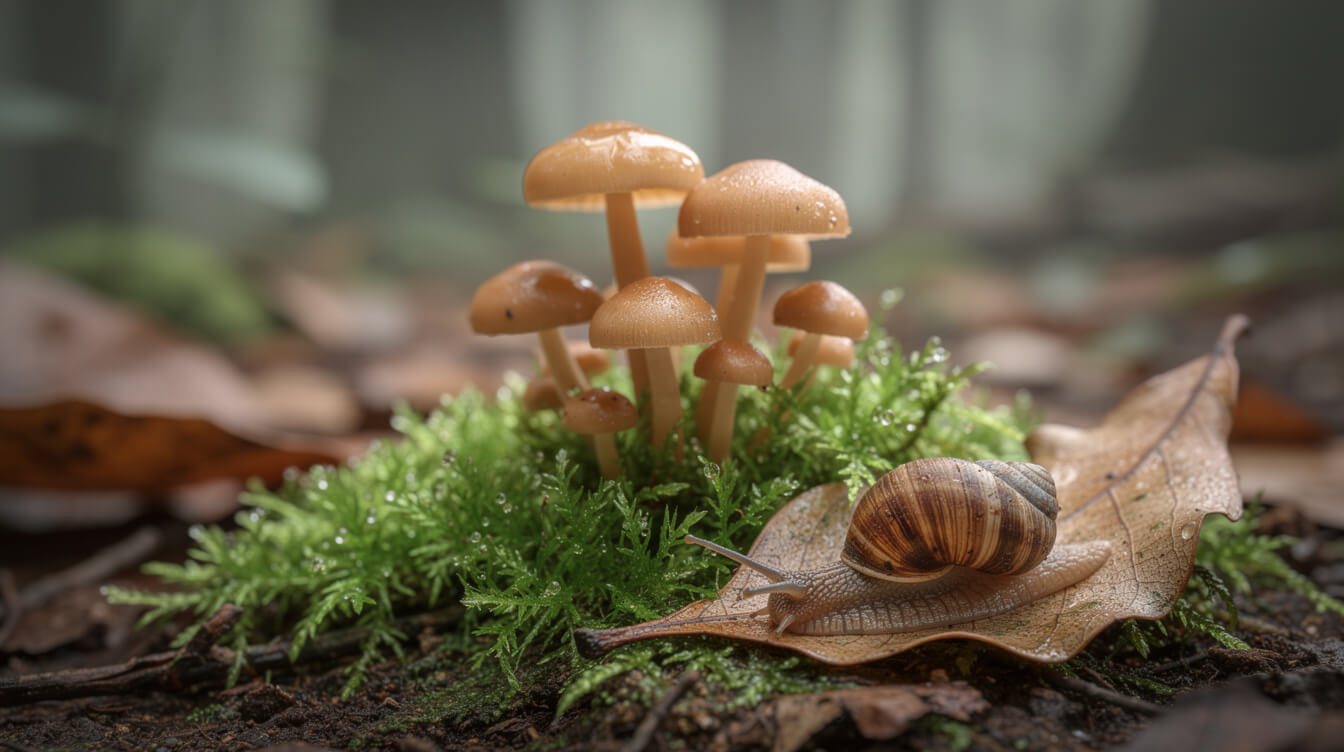
The short definition: goblincore is an appreciation of nature that is not conventionally pretty. Frogs and toads. Snails and their shells. Moss, lichen, and the green film on a north-facing stone. Mushrooms and the rest of the fungi. Mud, beetles, river pebbles, and the smell of soil after it rains.
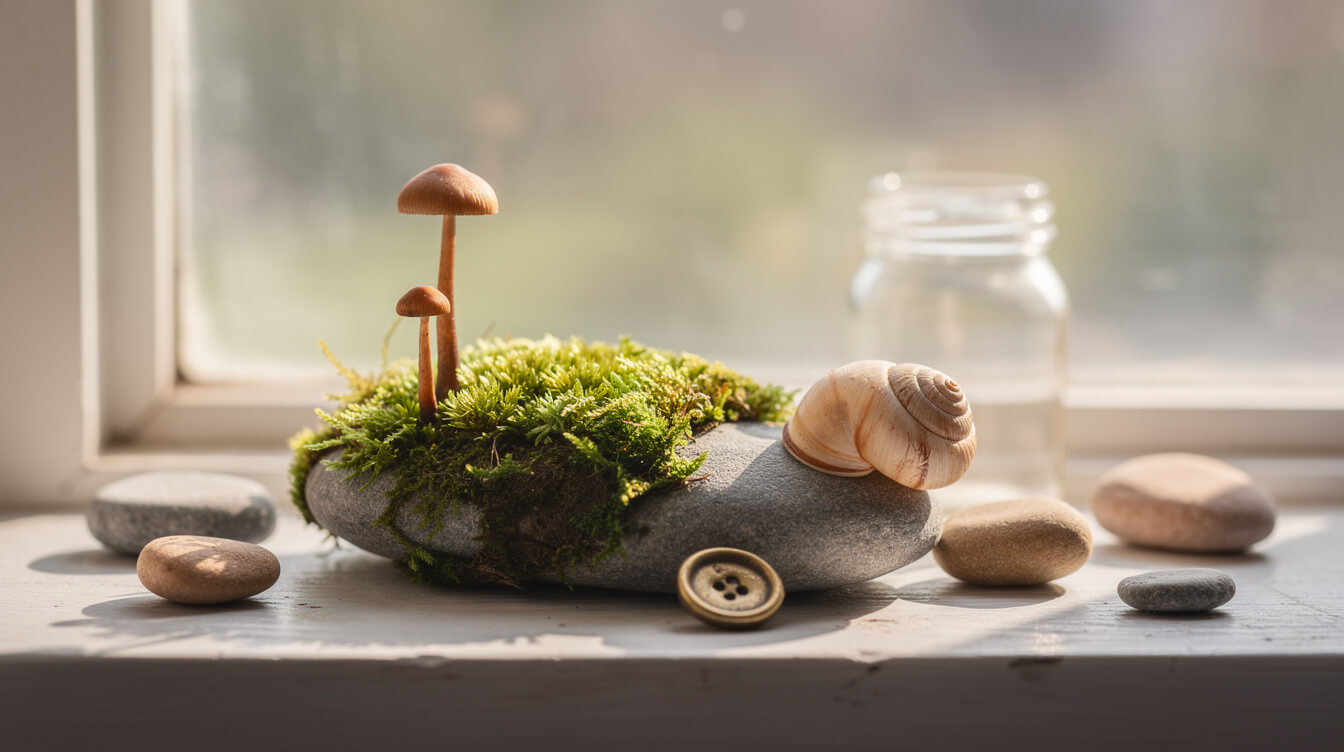
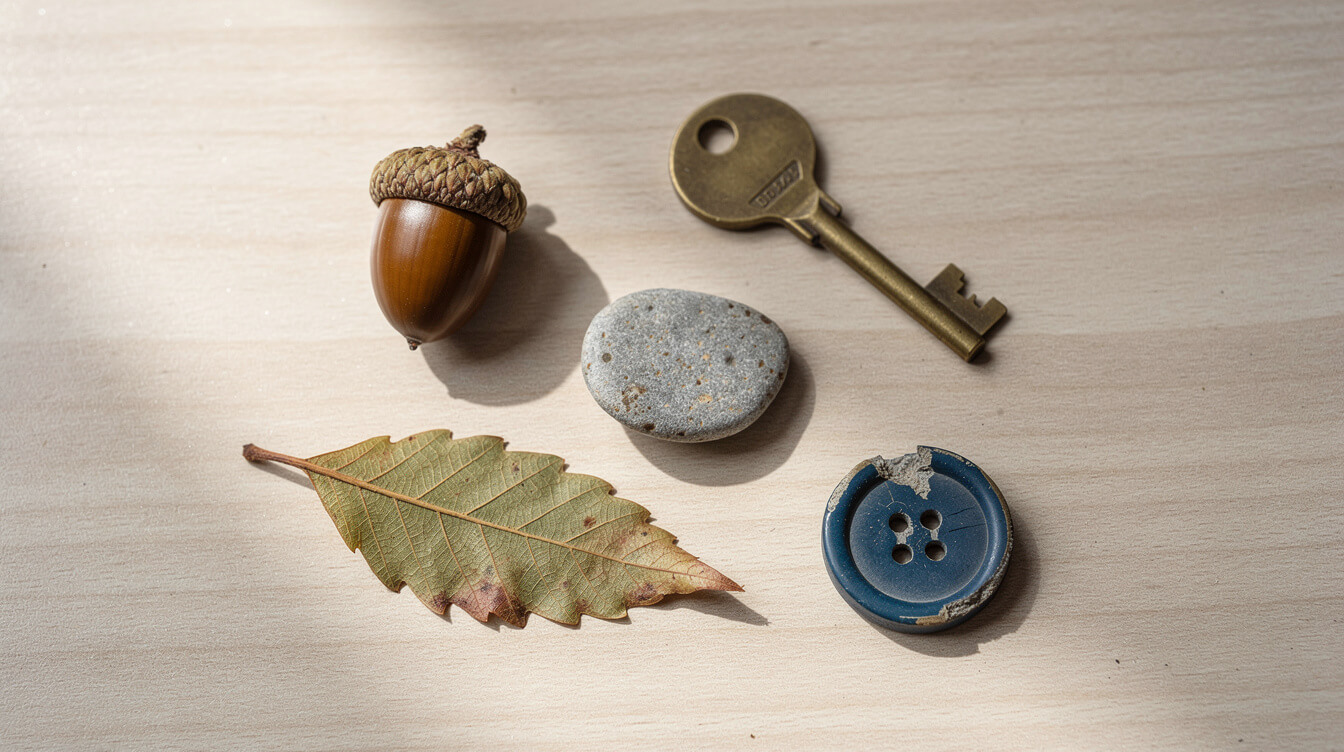
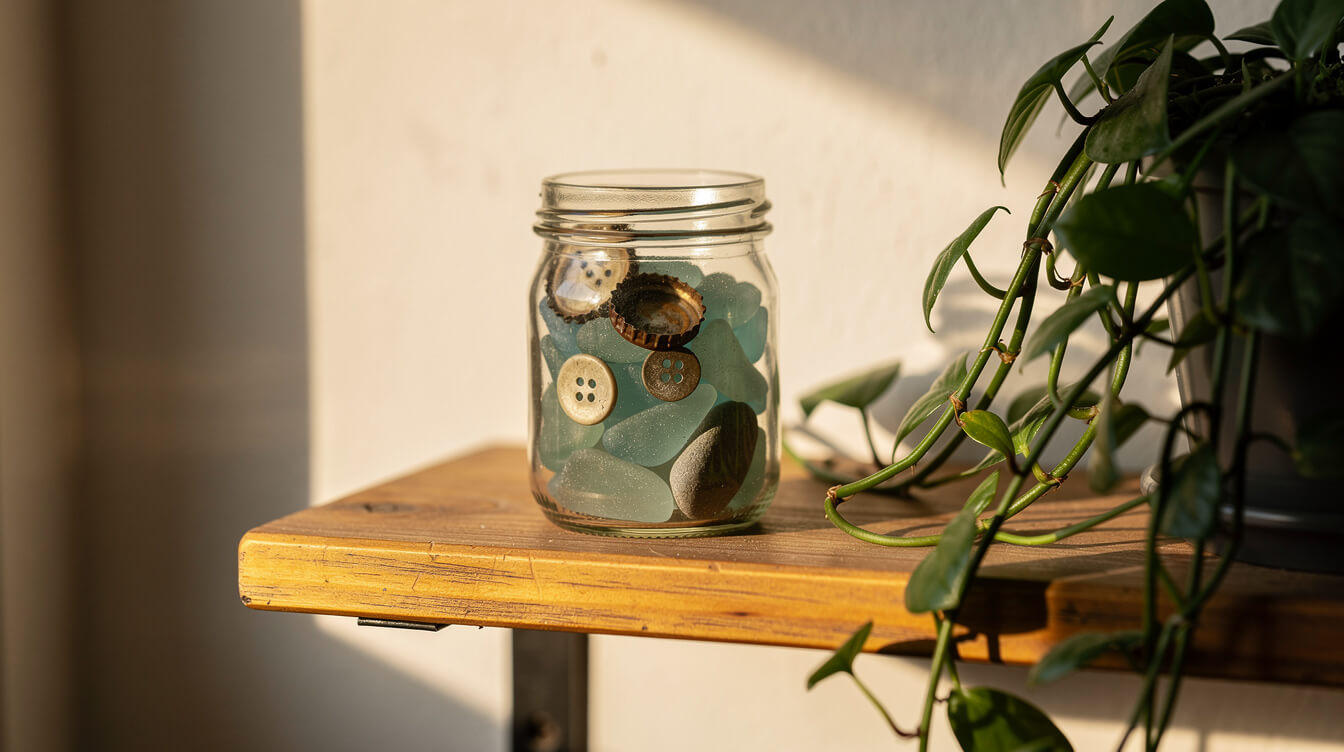
Alongside the nature half, there is a collecting half. People in goblincore circles talk about gathering “shinies,” which is an affectionate word for small found objects with no resale value and a lot of personal weight. A bottle cap worn smooth. A piece of sea glass. A key to a door that no longer exists. Buttons, especially mismatched ones. The point is not that the object is valuable. The point is that you noticed it and picked it up.
The name comes from the goblin of old European folk stories, borrowed here to mean something fairly gentle: a creature that is completely unbothered about looking presentable. In practice the word carries no menace at all. It is a shorthand for being happily, harmlessly uninterested in polish.
Two things goblincore is not, because the internet gets both wrong. It is not horror, and it is not grunge. There is nothing frightening in it and nothing performatively grim. It is also not a dare to be filthy. A person deep in it is far more likely to be crouched over a mushroom with their phone out than doing anything shocking.
There is a smell dimension too, which sounds odd until you think about it. Rain landing on dry soil, which has an actual name, petrichor. Wet stone. Pine, cut grass, and the inside of a damp greenhouse. Woodsmoke on a cold afternoon. A surprising number of people find their way into this aesthetic through a smell before they ever see a single picture of it, usually on a walk after rain.
Goblincore grew up on image-sharing and blogging platforms around 2019 and 2020, in the same wave that gave the internet so many other aesthetics ending in the same four letters. You can still see that origin in the search results. Search goblincore today and the first page is almost entirely pinboards, a subreddit, and video. It is an aesthetic that spread by people showing each other pictures, which is why the pictures are easy to find and a plain explanation is surprisingly hard.
So here is the plain explanation, in one sentence. Goblincore is the practice of looking down instead of up, and finding that the small, damp, overlooked things are worth your attention.
Why goblincore feels good: the comfort of being allowed to be a little messy
Most aesthetics, even the soft ones, quietly ask you to tidy up first. Light the candle, make the bed, fold the throw, move the laundry out of frame, then take the photograph. There is nothing wrong with that, and plenty of us enjoy it. But it is work, and it is work with a standard attached.
Goblincore asks for none of that. The entry requirement is attention, and attention is free. You do not need a cottage, a budget, a renovation, or a good camera. You need a route you already walk and the willingness to slow down on it.
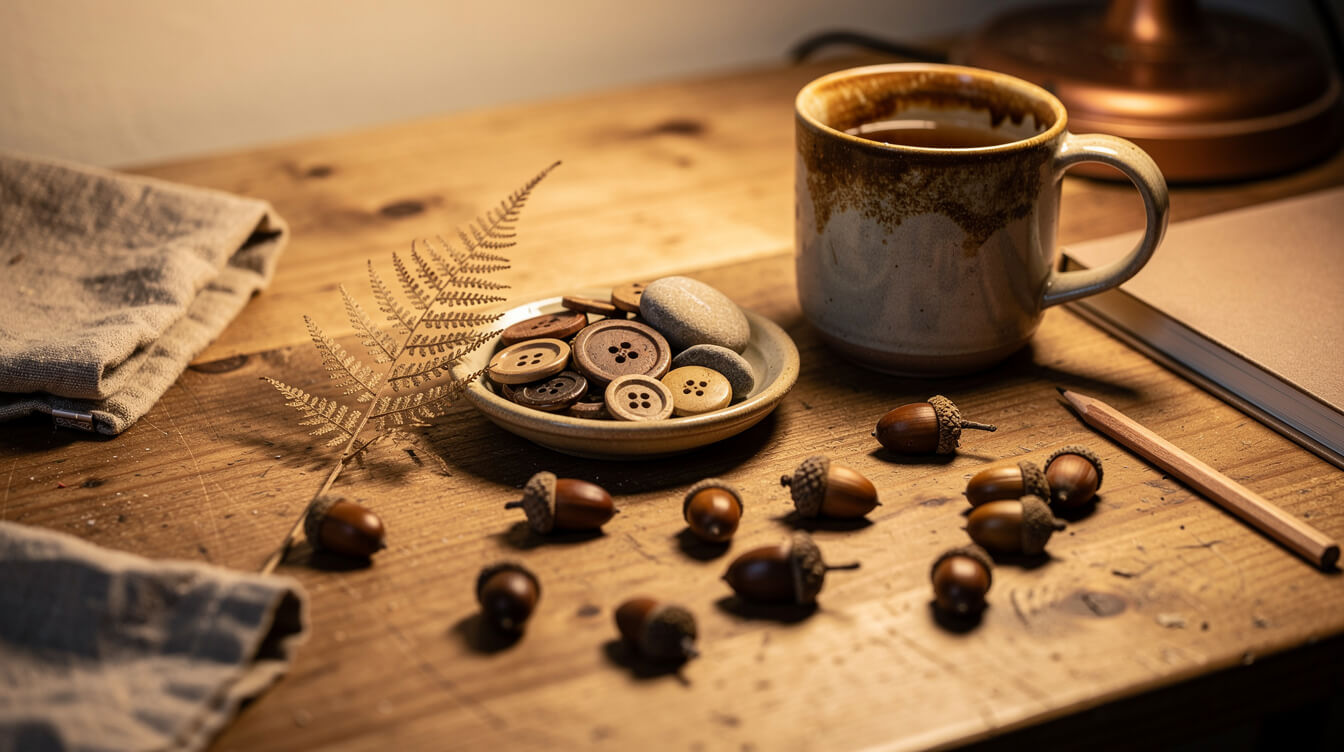
That is most of the emotional appeal right there, but there is a second layer underneath it. Goblincore is one of very few aesthetics that is fond of mess rather than merely tolerant of it. The dish of pebbles on the desk is not clutter waiting to be dealt with, it is the point. The plant you water inconsistently is doing fine. The jar of odd found objects on the shelf does not need to coordinate with anything. For anyone who has spent years feeling vaguely behind on tidying, that is a real relief, and relief is an underrated reason to like something.
Collecting is the other pleasure, and it is a particularly low-stakes one. Collecting shinies costs nothing, takes no storage to speak of, and cannot really be done wrong. There is no complete set, no price guide, and nobody to impress. It is one of the last hobbies left with no leaderboard.
It is also honest about decay in a way that most cozy aesthetics avoid. Mushrooms grow on what is breaking down. Moss settles on the wall that is a bit neglected. The aesthetic takes that cycle as a given rather than something sad, and there is something steadying in that. Things fall apart, something soft and green grows on them, and the whole business keeps turning over. That idea lands differently depending on the week you are having, and on a hard week it tends to land well.
Goblincore and cottagecore are cousins, not rivals

Almost every explanation online frames goblincore as the anti-cottagecore, the muddy one, the feral one. We think that reading is wrong, or at least lazy. They are cousins. They want the same things and they differ on one specific question.
The difference is tone and tidiness. Cottagecore is the finished loaf cooling on the rack, the swept kitchen floor, the pressed linen, the jam already in the jar with a label on it. Goblincore is the walk you took to pick the blackberries, and the boots you left by the door with the mud still on them. Same afternoon. Same slowness, the same pleasure in small handmade things, the same gentle refusal to hurry. Cottagecore cares how the result looks. Goblincore honestly does not.
That is the whole distinction, and it is why so many people like both at once. The overlap in the two communities is enormous. A person can bake bread on Saturday and spend Sunday photographing lichen, and nothing about that is contradictory.
The other reason the rivalry framing persists is that goblincore gets described with words like grotesque and feral, which are not how the people inside it talk. Nobody arranging snail shells on a windowsill thinks of themselves as feral. They think the shells are nice. That is the actual register of goblincore: mild, fond, a bit nerdy about fungi. Read it that way and the supposed opposition to cottagecore dissolves into a difference of housekeeping.
It is worth saying that goblincore has also long been popular with LGBTQ+ communities, particularly nonbinary and transmasculine people, which makes sense given everything above. An aesthetic built on not needing to look presentable, and on nature refusing to sort itself into neat categories, is going to feel like somewhere to put your shoulders down.
Goblincore is a kind of cute, not the opposite of cute
This is the part we care most about, because we think the whole category has been filed incorrectly.
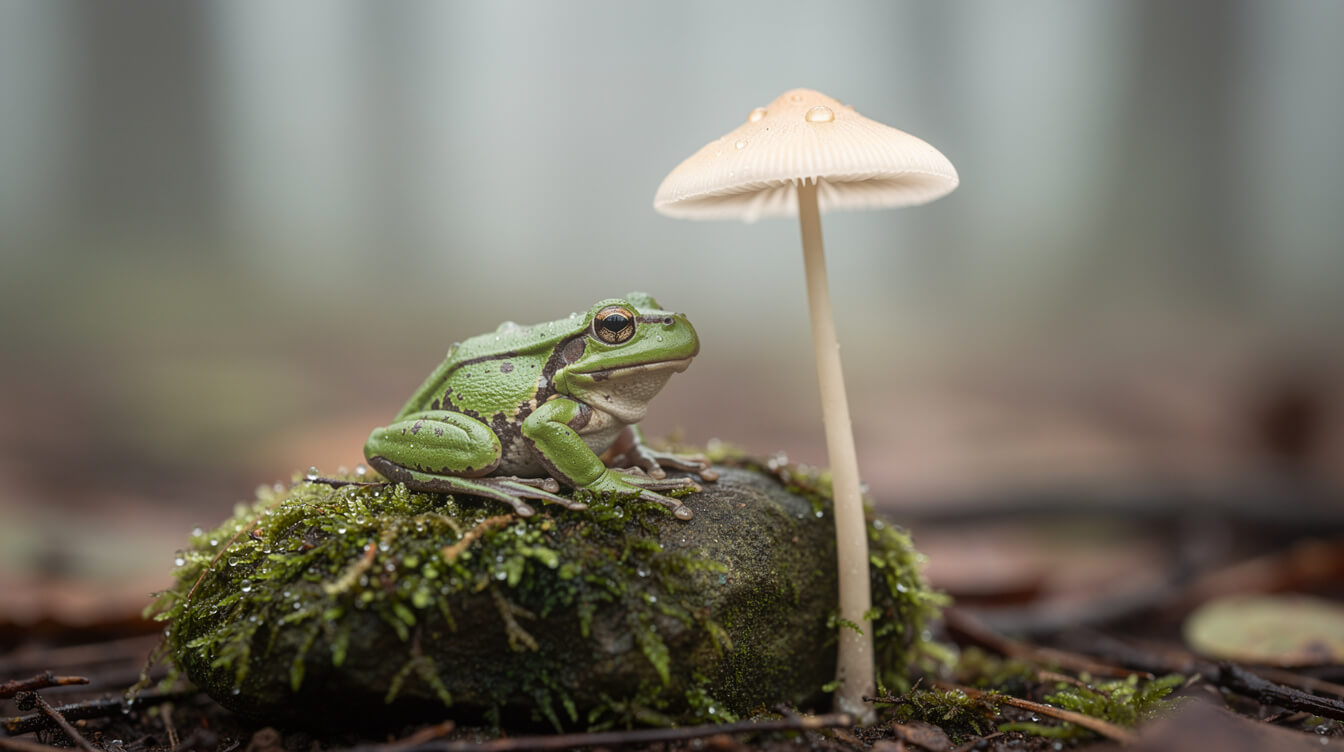
Look at the goblincore creature roster. Frogs. Snails. Toads. Beetles. Now look at the animals the internet has gone soft over in the last few years. Sea slugs that look like rabbits. Pale pink amphibians that keep their gills their whole lives. Round, damp, slightly strange little animals with no sharp angles anywhere on them.
It is the same instinct. The pull toward a frog and the pull toward a sea bunny or an axolotl come from exactly the same place: a soft body, a rounded outline, and a face that asks absolutely nothing of you. We have written about the mechanics of why the strange ones land hardest, so we will not re-run the argument here. The short version is that our brains respond to shape, and goblincore’s animals have the shape.
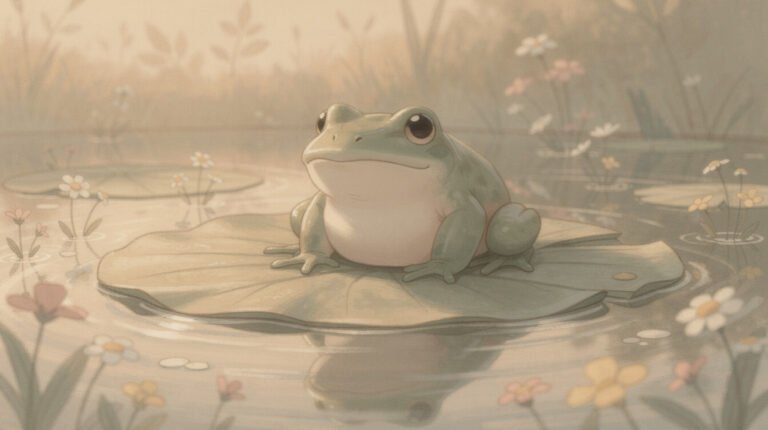
Which means goblincore is not cute’s opposite. It is the ugly-cute wing of cute, and ugly-cute has been winning for a while now. Nobody calls a round green frog grotesque. They call it a little guy. They give it a name. They send a photograph of it to a friend at eleven at night with no caption.
This also explains something about goblincore merchandise that would otherwise be puzzling. A frog, a snail, or a mushroom drawn with real affection does not read as edgy or spooky when someone wears it. It reads as warm. If you want the single clearest example of goblincore sitting comfortably inside cute, our Emotional Support Frog T-Shirt is a quiet badge-style frog on a soft tee, and nobody who has ever seen it has described it as anything other than sweet.
So if you have been keeping a distance from goblincore because you thought of yourself as a pastel person, that distance is unnecessary. You already like what it likes. You have just been meeting it one animal at a time.
The cutemerch letter
A small good thing, once a week
One short, kind email with our coziest posts and new round animals from the shop. No spam. Unsubscribe anytime.
How to let a little goblincore into an ordinary day, no costume required
Here is the practical section, and it is deliberately small. Goblincore is one of the cheapest aesthetics to actually live in, because almost everything it asks for is already within a short walk of you.
Give the found things a dish
The single highest-return change is a shallow dish, a saucer, or a small tray somewhere you empty your pockets. Put the pebble in it. Put the button, the acorn, the sea glass, the tiny brass thing you have been carrying for a month. Within a few weeks it stops being clutter and starts being a record of where you have been. This is the entire interior design philosophy here, and it costs nothing.
Walk the route you already walk, slower
You do not need a forest. This scales down to a bus stop. Moss grows in sidewalk cracks, on the shaded side of walls, and along the bottom of fences. Snails appear on damp mornings. Mushrooms turn up on lawns and under street trees in autumn with no warning at all. The practice is simply to look at the ground on a walk you are already taking, which costs you nothing but a slightly slower pace.
Keep one plant you are allowed to neglect
A fern, a small pot of moss, or anything that prefers shade and dampness. The plant in question is not a showpiece, it is a roommate. If it gets slightly leggy and wild, that is within spec.
Wear what you already own, in earth tones
Nobody has to dress as anything. The clothing side, in practice, is the comfortable end of your own wardrobe: an oversized knit, soft worn-in denim or corduroy, boots that have actually been outside, socks that do not match on purpose. Earthy greens and browns do most of the work. Secondhand fits the spirit well, partly because the aesthetic genuinely prefers things with some history on them. If you like the renter-sized version of this thinking, our guide to the cozy fall aesthetic for people without a farmhouse runs on the same logic in a different season.
Add one thing with a frog, a snail, or a mushroom on it
One good object does more than a whole themed room. A mug, a tote, a tee, a pin on a bag. Our piece on why the mushroom tote is having a moment covers the motif side of this in more detail, and mushrooms are about as close to a goblincore flag as a design gets.
That is the whole method. A dish, a slower walk, a plant, your own clothes, and one small object you like. No costume, no project, no weekend lost to it.
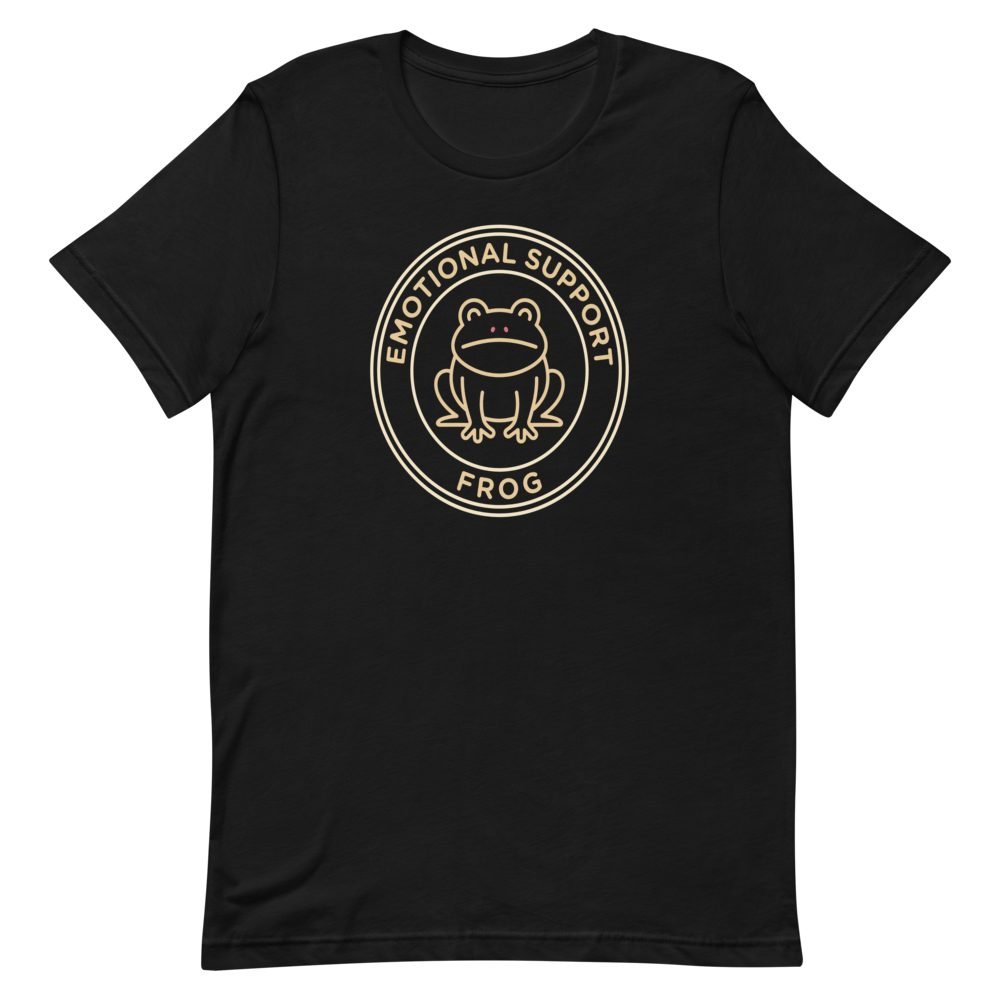
The Emotional Support Frog Tee
A calm little frog drawn with affection rather than as a joke, printed as a quiet badge on a soft tee you will actually keep reaching for. About as close to a goblincore flag as a shirt gets, and genuinely sweet with it.
Gift ideas for the person who collects small strange treasures
Goblincore people are genuinely easy to buy for and very easy to get slightly wrong, so it is worth a section. The rule is simple: give them something that helps them notice things, holds the things they noticed, or depicts one of their creatures with affection.
- A dish, tray, or small wooden box for pocket finds. The most useful goblincore gift there is, and almost nobody thinks of it. Ceramic, wood, or a shallow brass tray all work.
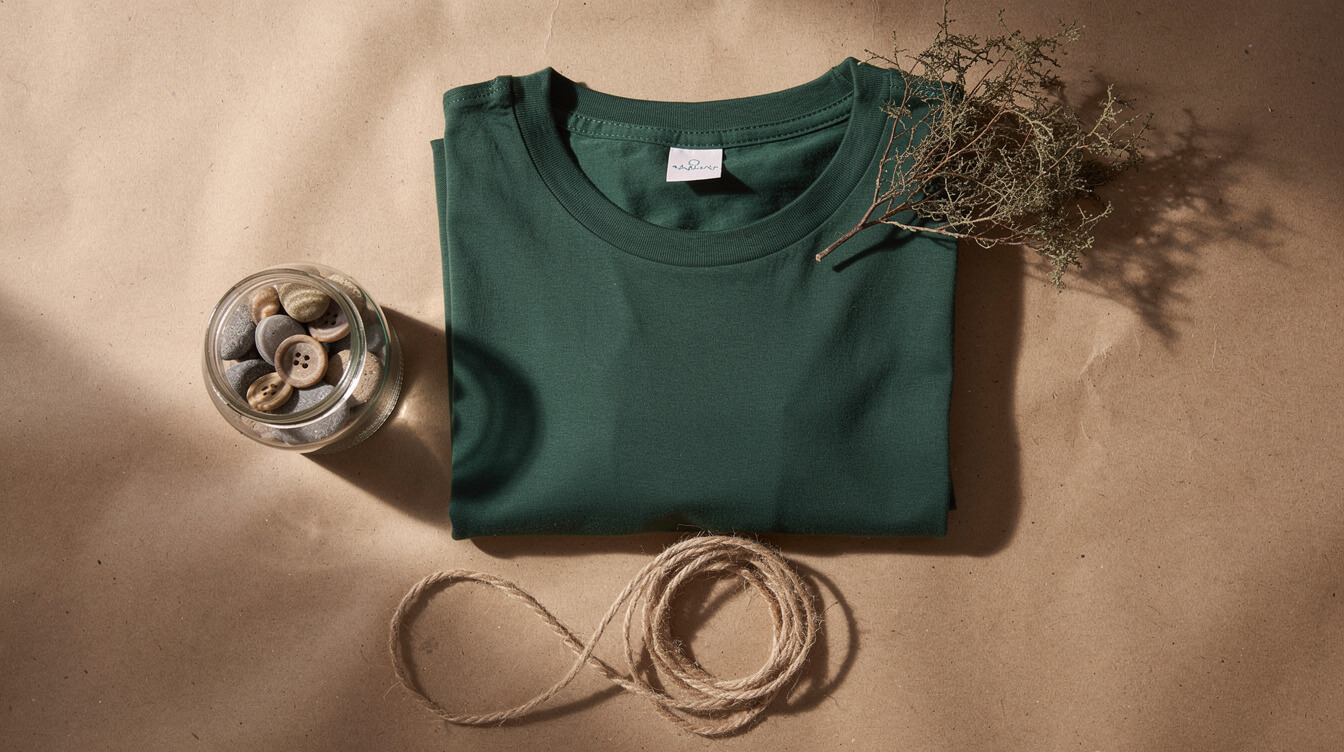
- A jar with a good lid. For shinies, pebbles, sea glass, or one very nice shell. Glass is better than plastic because the point is looking at it.
- A hand lens or a small magnifier. Inexpensive, and it changes what a walk is. Moss at close range is genuinely astonishing and most people have never seen it that way.
- A field guide to fungi, snails, or whatever grows locally. Being able to name the thing you found is a deep, specific pleasure.
- A tote that can take a damp pine cone. Pockets fill up fast. Something washable with a flat bottom earns its keep.
- Something wearable with a frog, snail, toad, or mushroom drawn kindly. This is where the affection test matters most, and we go deeper on it in our cute frog gift guide.
- Thick socks or a soft knit. Boring on paper, correct in practice. The aesthetic involves being outdoors in weather that is often damp.
What to avoid: anything that treats the creature as the punchline. There is a whole category of frog and snail merchandise built on the idea that the animal is gross and the joke is that you like it anyway. They do not find their animals gross, they find them lovely, and a gift that gets that backward lands with a small thud. Affection reads instantly, and so does its absence. If you want a broader starting point, our cottagecore gift ideas overlap more than you would expect, for all the cousin reasons above.
Frequently asked questions about goblincore
Is goblincore the same as cottagecore?
No, but they are close relatives. Both love slowness, nature, and small handmade things. The split is tone and tidiness: cottagecore wants the result to look lovely, and goblincore is content to leave the mud on. Most people who like one like the other too.
Do I have to dress like a goblin?
Not at all, and almost nobody does. The overwhelming majority of people who like goblincore express it through what they notice and what they keep on a shelf, not through an outfit. Earth tones and comfortable, worn-in clothes are as far as it needs to go.
Is goblincore only for young people?
No. It skews young online because that is where aesthetics get named, but picking up an interesting stone is not an age-restricted activity. Cute is for everybody, at every age, and the goblincore version of cute is arguably the easiest one to carry into a grown-up life, because it requires no decor budget and no explaining.
What animals count as goblincore?
Frogs and toads first, then snails, slugs, beetles, moths, crows, mice, and most things that live under a log. The unifying quality is being small, overlooked, and slightly damp. For the wider family of creatures this instinct covers, see our pieces on weird cute animals and why hedgehogs always look a little grumpy.
Is goblincore still a thing?
Yes. Trend coverage declared its peak over back in 2020, while it was still being written about as a lockdown curiosity. Six years later the search interest is comfortably in the thousands every month, the subreddit is busy, and the pinboards keep growing. Goblincore did not behave like a trend because it never really asked anyone to buy anything, and aesthetics that cost nothing tend to outlast the ones that cost money.
Does goblincore have to be messy?
No. It only has to be unbothered. Plenty of people keep a perfectly tidy home and still have a dish of pebbles, a shelf of jars, and a camera roll full of fungi. The aesthetic is about what you find worth keeping, not about whether you vacuum.
Is goblincore related to fairycore?
Loosely, yes. They share the habit of noticing small things, and they part ways on mood. Fairycore reaches for light, delicacy, and miniature prettiness, while goblincore is happy with the damp and the dirt. Think of them as two siblings who both went out for a walk and came home with very different pockets.
Where goblincore goes from here
Goblincore arrived quietly, got labeled a passing lockdown mood, and then simply kept going. That is usually the sign of an aesthetic with something real underneath it rather than a cycle of purchases.
Our honest guess is that it keeps spreading sideways instead of up. More people will pick up the parts that cost nothing, the dish by the door, the slower walk, the plant nobody fusses over, without ever using the word goblincore about themselves. That is fine. That is arguably the aesthetic working exactly as intended, since it was never about joining anything.
What we hope sticks is the reframe. Goblincore is not the gross cousin of cute, and it is not a rejection of soft, warm things. It is soft, warm things with soil on them. A frog on a stone is as genuinely sweet as any round animal in a pastel sky, and a pocket of small found objects is as good a record of a life as a photograph. If this is the first time anyone has told you that the muddy end of cute is still cute, consider it told, warmly, by people who have been quietly filing it that way the whole time.
Before you go
Want the next one in your inbox?
We write something soft every day. The best of it lands in one gentle weekly note, for you or for the friend who needs it.