
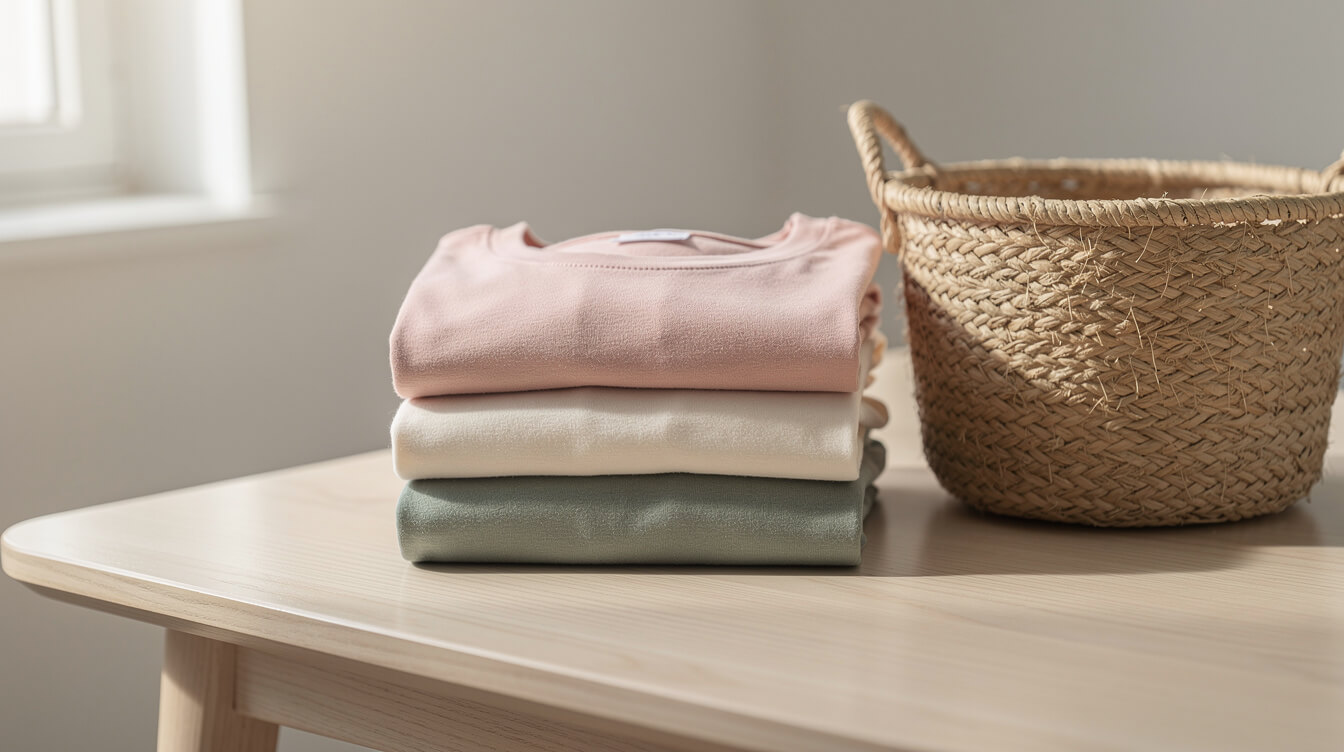
How to Wash Graphic Tees So the Design Stays Soft and Bright
A good graphic tee is a small, daily kind of happiness. You open the drawer, you see the little creature on the front, and the morning gets about four percent softer. Which is exactly why it stings when the print starts to crack after a handful of washes.
Learning how to wash graphic tees properly is the least glamorous and most useful thing you can do for a shirt you actually love. It takes almost no extra effort, it costs nothing, and it is the whole difference between a tee that lasts one season and a tee you are still reaching for three years from now.
We print on tees for a living, so we have seen a lot of designs come back to us in customer photos. Some look nearly new after two years. Some look tired after two months. The difference is almost never the ink. It is the laundry. So here is everything we know about keeping a print soft and bright, in roughly the order you will need it: what actually damages a design, the wash routine that protects it, the drying step most people get wrong, how to adjust for your specific kind of print, and what to do if the damage has already started.
What actually wears a graphic tee out
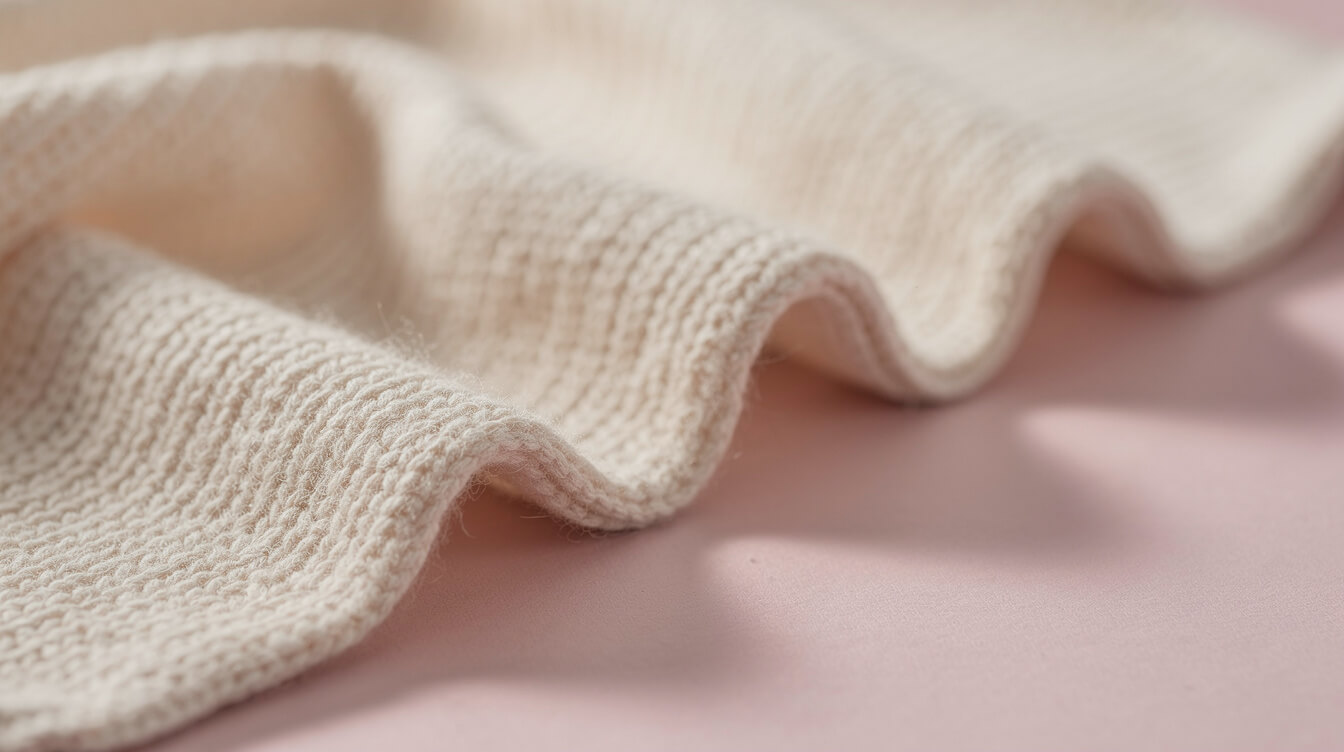
Before the rules, the reasons. Once you know what a print is afraid of, you can make good decisions about situations no care guide ever covers.
Most printed designs fail for one of three reasons, and they are rarely the ones people expect.
Heat, the quiet one
Heat is the biggest culprit by a wide margin, and it does its work invisibly. A screen print is essentially a thin, flexible layer of ink sitting on the surface of the fabric. Warmth softens that layer, and a softened layer stretches, thins, and loses its grip on the fibers underneath. Nothing looks wrong when you take the shirt out. The damage shows up fifteen washes later as fine hairline cracks, and by then it is cumulative and permanent.
Heat also shrinks cotton. The fabric contracts while the print does not, and that mismatch puts the design under tension it was never built to hold. This is why a tee can come out of a hot dryer looking fine and come out of its twentieth hot dryer cycle looking crumpled around the artwork.
Friction, the one you can see
A washing machine is a small, polite rock tumbler. Your tee spends thirty minutes rubbing against everything else in the drum, and the loudest things in there are usually zippers, buttons, denim seams, and towels. Abrasion scuffs ink, raises tiny fibers over the design so the colors read cloudy, and roughens the surface of the cotton itself. Turning a shirt inside out is such common advice that people forget why it works: it simply moves the print to the inside of the tumble, where almost nothing touches it.
Chemistry, the one that feels helpful
Chlorine bleach strips color from ink as happily as it strips stains, and it weakens cotton fibers while it is at it. Fabric softener is the sneakier problem. It works by coating fibers in a waxy film, which is lovely on a bath towel and quietly terrible on a printed tee, because that film dulls the colors, sits on top of the artwork, and traps the odors you were trying to wash out. Dryer sheets do the same thing with heat attached.
One more thing worth knowing, because nobody tells you: the care tag describes the blank, not the print. That tag was sewn in by the mill that made the shirt, long before anyone put a design on it. When it says warm wash and tumble dry, it is talking about plain cotton. Your design did not get a vote. Treat the tag as a floor, not a target, and go gentler than it says.
How to wash graphic tees, step by step
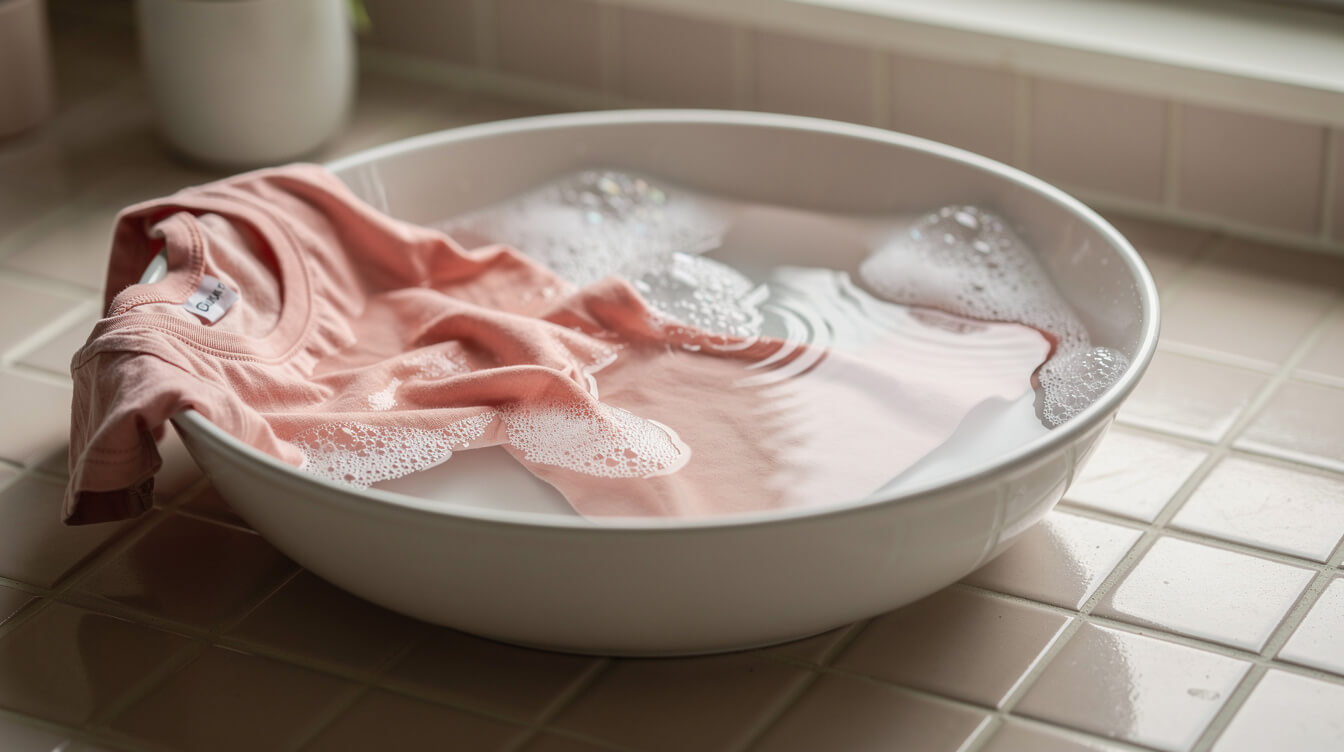
Here is the routine. It looks long written down and takes about forty extra seconds in practice, most of which is turning shirts inside out while you sort.
- Give a brand new print a day to settle. Ink needs time to fully cure and bond with the fabric. If a tee has just arrived, let it rest a day before its first wash rather than washing it the moment you unbox it. The first wash is the one with the most to lose.
- Sort by weight, not just by color. Everyone sorts darks from lights. Fewer people separate soft things from hard things, and that is the sort that saves prints. Keep tees away from jeans, hoodie zippers, towels, and anything with hardware on it.
- Turn the shirt inside out. Every time. This single habit protects the design from the entire wash cycle, and it costs you nothing.
- Use a mesh laundry bag if you have one. A cheap zip bag keeps the tee from being stretched around the agitator and from getting tangled with sleeves. Water and detergent move through it fine.
- Wash cold, on a gentle cycle. Cold means 30 degrees Celsius or below, roughly 86 Fahrenheit, and in most homes that is simply the cold tap. Modern detergents are formulated to work at this temperature, so you are not trading cleanliness for safety. Choose the shortest gentle or delicates cycle your machine offers, and pick a low spin speed if you can set it separately.
- Use a mild liquid detergent, and less of it. Liquid dissolves more completely than powder, which can leave gritty residue sitting against the print. A gentle formula made for delicates is ideal. Use about half the dose on the cap, because most people badly overdose detergent and the excess just stays in the fabric.
- Skip the bleach and the softener. No chlorine bleach, no fabric softener, no dryer sheets. If a white tee needs brightening, an oxygen-based powder is the gentler route.
- Pre-treat stains around the print, never on it. Dab, do not scrub. Work from the back of the fabric where you can, let a gentle stain remover sit for a few minutes, and keep the product off the design itself. A soft cloth and patience beat pressure every time.
- Take it out promptly. A damp tee left crumpled in the drum for hours sets deep creases across the artwork and starts to smell, which tempts you into a hotter rewash. Hang it or lay it out while it is still cool.
If a tee is genuinely precious to you, hand washing is the gold standard and is far less of a project than it sounds. Fill a basin with cool water and a small amount of mild detergent, turn the shirt inside out, let it soak for ten minutes, swish gently without wringing or twisting, then rinse in cool water and press the water out between two towels. The whole thing takes fifteen minutes of mostly waiting.
Drying is where most prints quietly die
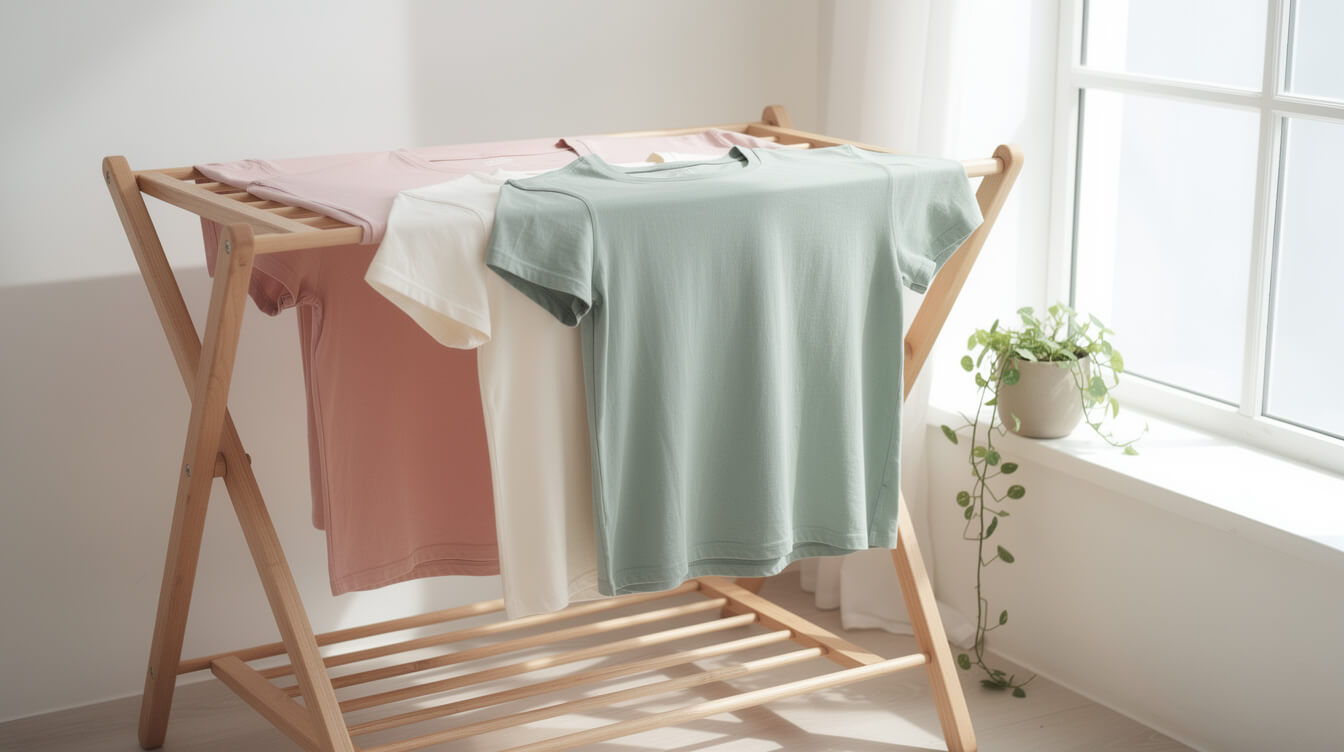
If you only change one thing after reading this, change this one. The wash cycle gets all the attention, but the dryer is where the real damage happens, because a dryer is a machine whose entire job is sustained heat plus sustained tumbling. Those are the two forces a print likes least, running at the same time, for forty minutes.
Air drying is the answer, and it is easier than it was in your grandmother’s day. Lay the tee flat on a drying rack, a clean towel, or a mesh sweater shelf, still inside out, and gently smooth the fabric with your hands so it dries in the shape you want. Flat is better than hanging for anything heavy with water, because a soaked shirt on a thin hanger stretches at the shoulders and ends up with little peaked bumps that never fully relax.
If you prefer to hang, use a wide wooden or padded hanger rather than a wire one, and hang the shirt from the shoulders rather than draping it over a bar, which creases the body right where most designs sit.
Two notes about where you dry. Keep printed tees out of direct sunlight, because sun fades dark dyes and bright inks with real enthusiasm, and a few hours of strong afternoon light does more to a black tee than a month of washes. And give them moving air. A tee drying in a closed, humid bathroom takes a long time and can pick up a musty smell that sends you straight back to the washing machine.
If you truly need the dryer, make it the mildest version of itself. Use the lowest heat setting your machine has, or better, an air-fluff or no-heat cycle. Keep the shirt inside out. Pull it out while it is still slightly damp, which is the single best dryer habit there is, and let it finish on a rack. Damp fabric also smooths out beautifully, so you often skip ironing altogether.
And if a shirt does come out wrinkled, do not reach for a hot iron and press straight down on the design. Turn it inside out, use the lowest setting the fabric allows, and put a thin cotton cloth or a pressing cloth between the iron and the artwork. A steamer is gentler still, held a few inches away, working around the print rather than directly over it.
Know your print: screen print, DTG, DTF, and vinyl
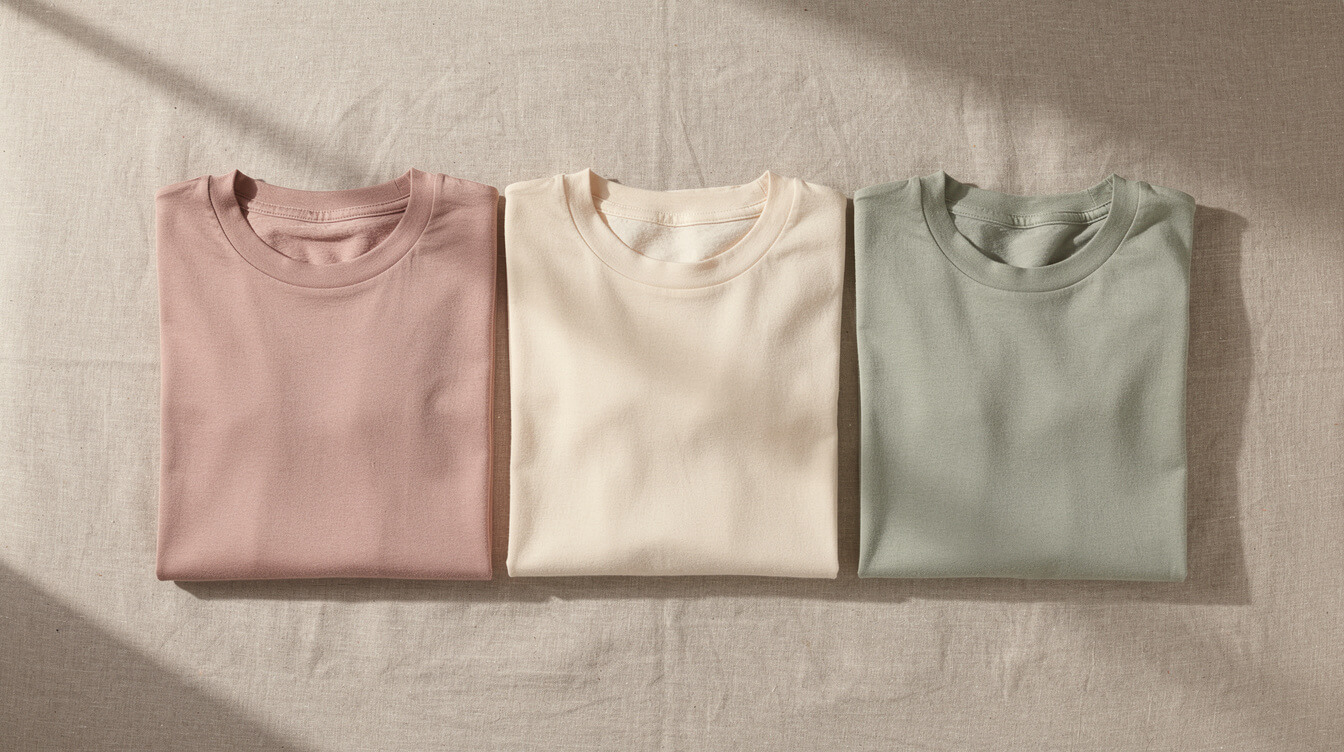
Almost every care guide online treats all printed shirts as one category, which is a little like giving the same advice for a wool coat and a rain jacket. Different printing methods fail in different ways, and once you can recognize what you own, you can care for it more precisely. Run your fingertips over the design. What you feel tells you most of what you need to know.
Screen printing: you can feel a slight raised layer
The classic method, and still the most durable for simple designs. Ink is pushed through a stencil onto the fabric and heat cured, which leaves a thin layer you can usually feel as a faint smoothness or a soft edge where the color stops. Plastisol inks sit a little higher on the surface. Water-based inks soak in and feel like almost nothing at all.
How it fails: cracking, in fine lines, usually across the areas that flex most. What it needs: protection from heat above all. Screen prints are tough about washing and fussy about dryers. A simple, bold screen print with few colors is the most washable thing in your drawer.
Direct to garment: the design feels like part of the shirt
DTG works like an inkjet printer aimed at fabric. The ink bonds into the cotton fibers rather than resting on top of them, so the hand feel is soft and flat, and detailed or photographic artwork is possible.
How it fails: fading rather than cracking, and it tends to show the most change after the very first wash as loose surface ink rinses away. What it needs: cold water and a gentle detergent, since the enemy here is color loss. Dark tees with DTG designs benefit the most from washing inside out.
Direct to film: a smooth, slightly glossy layer
A newer method where the design is printed on film, then heat pressed onto the shirt. It gives bright color on any fabric and feels like a continuous smooth film, sometimes with a faint sheen.
How it fails: peeling or lifting at the edges, especially if it meets high heat. What it needs: absolutely no hot dryer, and no iron directly on the design, ever. Air dry these and they stay bright for years.
Heat transfer vinyl: a distinctly raised, rubbery feel
Cut vinyl pressed onto fabric, common on team shirts and custom one-offs. You can clearly feel a thicker edge you could trace with a fingernail.
How it fails: curling and lifting at the corners. What it needs: cold wash, inside out, air dry flat, and no folding directly along the design.
There is a design lesson hiding in all of this, and it is the reason we print the way we do. The simpler a design, the fewer layers of ink it carries, and the fewer layers of ink, the less there is to crack. Our Emotional Support Frog T-Shirt is a good example of restraint on purpose: a single cream badge, one flat line-art frog, one small pink dot for a nose, and nothing else. That kind of print has very little to lose over time, which is part of why we keep our round animals clean and uncluttered rather than piling on gradients. If you want more on how that thinking shapes a design, we wrote about it in our guide to the round animal t-shirt and how to wear one.
The cutemerch letter
A small good thing, once a week
One short, kind email with our coziest posts and new round animals from the shop. No spam. Unsubscribe anytime.
Folding, storing, and the quiet habits that add years

Washing gets the attention, but a tee spends far more of its life sitting in a drawer than spinning in a drum. The storage habits are smaller and they add up just as much.
Fold, do not hang. Cotton jersey is a knit, and knits stretch under their own weight. Months on a hanger give you the two little shoulder nipples that no amount of washing removes, along with a stretched neckline. Folded flat in a drawer, a tee keeps its shape almost indefinitely.
Fold around the design, not through it. This is the detail almost nobody mentions. A crease pressed through the same spot of a print for months becomes a permanent line, and on a plastisol or vinyl design it can become an actual crack. Fold the sleeves in and bring the hem up so the fold lands below or above the artwork rather than across its middle.
Do not pack the drawer tight. Compression creates creases, and tightly wedged shirts come out looking slept in, which sends you back to the iron. A little air is kind to everything.
Keep the drawer out of the light. The same sun that fades a drying tee fades a stored one, slowly, through a bright window. If a favorite dark shirt lives on an open shelf in a sunny room, it is quietly getting paler.
Wash it less often. The gentlest wash is the one that does not happen. A tee worn for a few relaxed hours rarely needs a full cycle. Airing it overnight on a chair or a hanger, somewhere with moving air, often resets it completely. Spot clean small marks and save the machine for when the shirt has genuinely earned it.
Two more small ones. Put deodorant and sunscreen on and let them dry before pulling a shirt over your head, because aluminum salts and sunscreen oils cause the yellow underarm stiffness that people blame on sweat. And if you are storing seasonal tees for months, fold them with a little breathing room in a cotton bag or a drawer rather than sealed plastic, which traps moisture. We go further into the general principle of buying things that are built to survive ordinary life in our piece on how to choose a cute mug that actually lasts.

A print made to stay simple
One cream badge, one flat little frog, one pink dot for a nose. There is almost nothing here to crack, which is exactly the point. Wash it cold, dry it in the air, and it should still look like itself in three years.
When a print is already cracked or faded
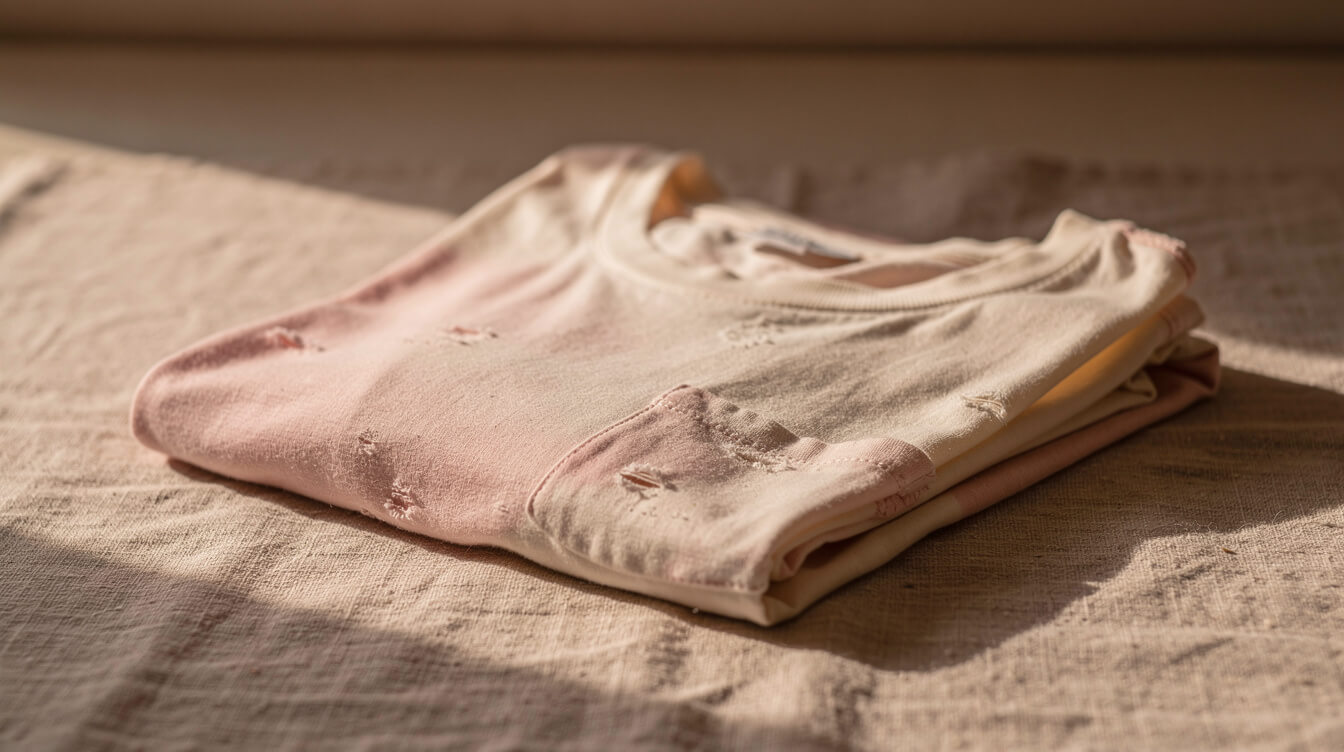
Honesty first, because you deserve it rather than a hopeful sales answer: a cracked print cannot be made whole again. The ink layer has physically split, and there is no home remedy that re-bonds it. Anyone promising otherwise is selling something.
What you can do is stop the damage where it is, and that is genuinely worth doing, because most cracking is progressive. A shirt that has a few hairline splits can hold at a few hairline splits for years if you change how you treat it. Move it to hand washing in cool water, stop putting it in the dryer entirely, keep it out of the sun, and fold it so the crease avoids the artwork. Prints that would have failed completely in another six months often simply stop getting worse.
There is also a gentler way to think about it. A graphic tee that has softened, faded a little, and gone slightly vintage at the edges is not ruined. It is worn in. The faded band tee is a beloved object precisely because it carries evidence of being loved. If the design is still legible and the shirt still feels good, you have a shirt with a history rather than a shirt with a problem.
For fading rather than cracking, the fixes are better. Washing inside out in cold water slows further loss immediately. A half cup of plain white vinegar in the rinse helps strip the detergent and softener residue that makes colors look chalky, and the smell rinses away completely. For pilling, which is fabric wear rather than print wear, a cheap fabric shaver run gently over the surface makes a tired tee look years younger in about two minutes.
And when a shirt truly is past wearing, it can still be useful. Cut around the design and it becomes a patch, a tote panel, a small framed thing, or the softest cleaning cloth in the house. We would rather a design end up as a square of fabric you kept than a bag you took to the curb.
Frequently asked questions about how to wash graphic tees
Can I wash graphic tees with the rest of my laundry?
You can, as long as the rest of that load is soft and similar in color. The things to keep out are the hard ones: jeans with rivets, hoodies with metal zippers, anything with hooks or buckles, and towels, which shed lint onto prints and are abrasive when wet. A load of tees and soft cottons together is perfectly fine, and turning everything inside out costs nothing.
Is hot water ever necessary?
Very rarely, and almost never for a printed tee. Cold water with a good detergent handles everyday wear, body oils, and most food stains. The exception is sanitizing after illness, and if that is the situation, the shirt’s survival is simply less important than the reason you are doing it. Hot water is the right call there, and the print may pay for it.
How many washes should a good graphic tee survive?
A well-made screen print, washed cold and air dried, will usually still look good after fifty washes and often well past a hundred. The same shirt, washed warm and tumble dried on high, can show visible cracking in fifteen to twenty. The ink did not change. The treatment did, and that gap is the entire reason this article exists.
Does washing a shirt inside out actually make a difference?
Yes, more than almost anything else on the list, and it is free. Flipping the shirt moves the printed surface away from the friction of the drum and everything else tumbling in it, and it keeps the design out of direct contact with concentrated detergent. If you only adopt one habit from this guide and you have already handled the dryer, make it this one.
What detergent is best for printed shirts?
A mild liquid detergent, ideally one made for delicates or sensitive skin, used at about half the recommended dose. Avoid anything with chlorine bleach or added brighteners, and skip fabric softener entirely. Powder detergents can leave undissolved grit that sits against the print in a cold wash, so liquid is the safer choice for cold cycles.
Why did my new tee fade the most in the very first wash?
That is usually normal and not a defect. Some printing methods leave a small amount of loose surface ink or excess dye that rinses out the first time, and the shirt settles into its true color afterward. Washing a new tee alone, or with similar colors, in cold water keeps that loose dye from landing anywhere you do not want it.
Can I iron over a design if I am careful?
Not directly, no matter how careful you are. Direct heat on a print is the fastest way to melt, shine, or lift it. Turn the shirt inside out, use the lowest setting, and keep a thin cloth between the iron and the fabric. A steamer held a few inches away is the kinder option, and a shirt pulled from the wash and smoothed by hand while damp often needs neither.
Is there a difference in care between a light tee and a dark one?
The principles are identical, but dark shirts show their losses more plainly. Black and deep colors fade visibly, and they also show lint and detergent residue, so inside out and cold matters even more. Light and cream tees hide fading better but show stains and underarm yellowing, so the real care for a light tee happens before you put it on, with deodorant and sunscreen fully dry.
Final thoughts
Everything above comes down to three small decisions you make without thinking: cold instead of warm, inside out instead of as it comes off, and air instead of heat. Those three habits do more than any special product, and they take seconds.
We care about this more than a laundry guide probably warrants, and the reason is simple. A cute shirt that cracks after a season confirms the worst thing people believe about cute merch, that it looks lovely in the photo and goes sad in the wash. We would rather be the opposite of that. The design should still be there in three years, a little softer, a little more yours, still making you glad you opened the drawer.
So treat the good ones gently. Fold them around the artwork, dry them in the air, and wash them a little less often than you think you need to. If you are picking out your next one, our guide to kawaii clothing and our piece on the emotional support animal shirt are both good places to start, and our cute Halloween shirts guide covers the seasonal end of the drawer.
Before you go
Want the next one in your inbox?
We write something soft every day. The best of it lands in one gentle weekly note, for you or for the friend who needs it.